

#1 IN PHARMACIES

For
- Muscle function
- Restorative rest
- +2
Total Magnesium
Nutritional supplement to improve the synthesis of glutathione (our greatest antioxidant) in our body.

A to Z · 36 products
Cart
 Total Magnesium 60 Pills
Total Magnesium 180 Pills
 FertiUp Pineapple
 FertiUp Kiwi
 Vegan Omega 3+ 30 Capsules
Vegan Omega 3+ 90 Capsules
 Vitamin D3+K2 60 Pills
Vitamin D3+K2 90 Pills
 CircuDren
 Metabolic-Max and SatiSens Pack
 FemmeBalance 60 Pills
 FemmeBalance 180 Pills
 Metabolic-Max
 Flavored Sticks Cocoa
Flavored Sticks Vanilla
Flavored Sticks Cinnamon
Flavored Sticks White chocolate-strawberry
Flavored Sticks Mix of flavors
 Vegan Protein
 Milk Protein
 CREATINE Essential
Your cart is currently empty.

Hello, I am Dr. Isabel Viña Bas, a physician and Scientific Director of IVB Wellness Lab. Hair loss generates many questions in consultations: is it normal to lose hair every day?, why does hair fall out?, are all types of alopecia the same?, do diet, stress, or hormones play a role?, and what role can food supplements play?
The reality is that there is no single cause of hair loss. Understanding what type of hair loss we have is the first step, before thinking about any treatment.
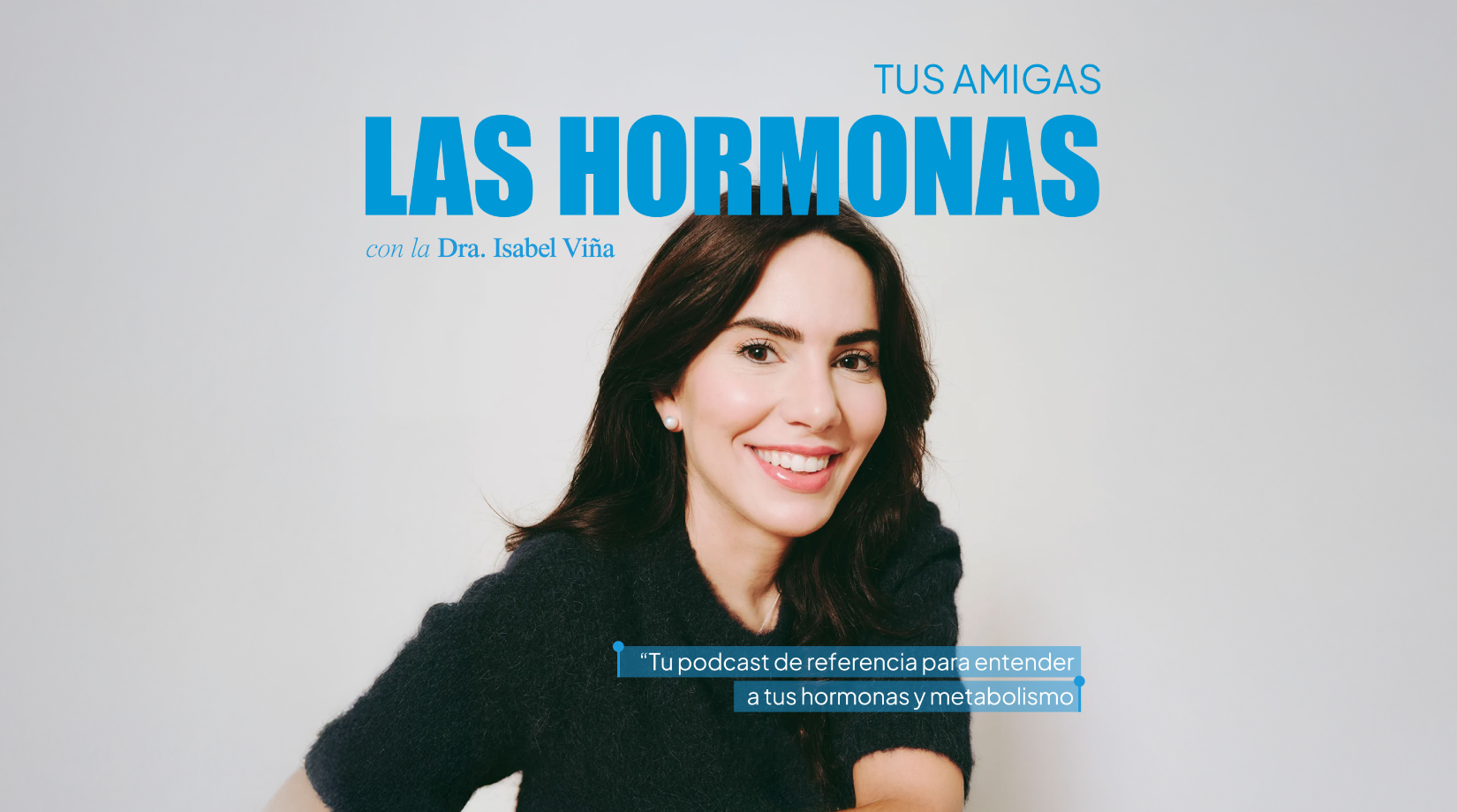
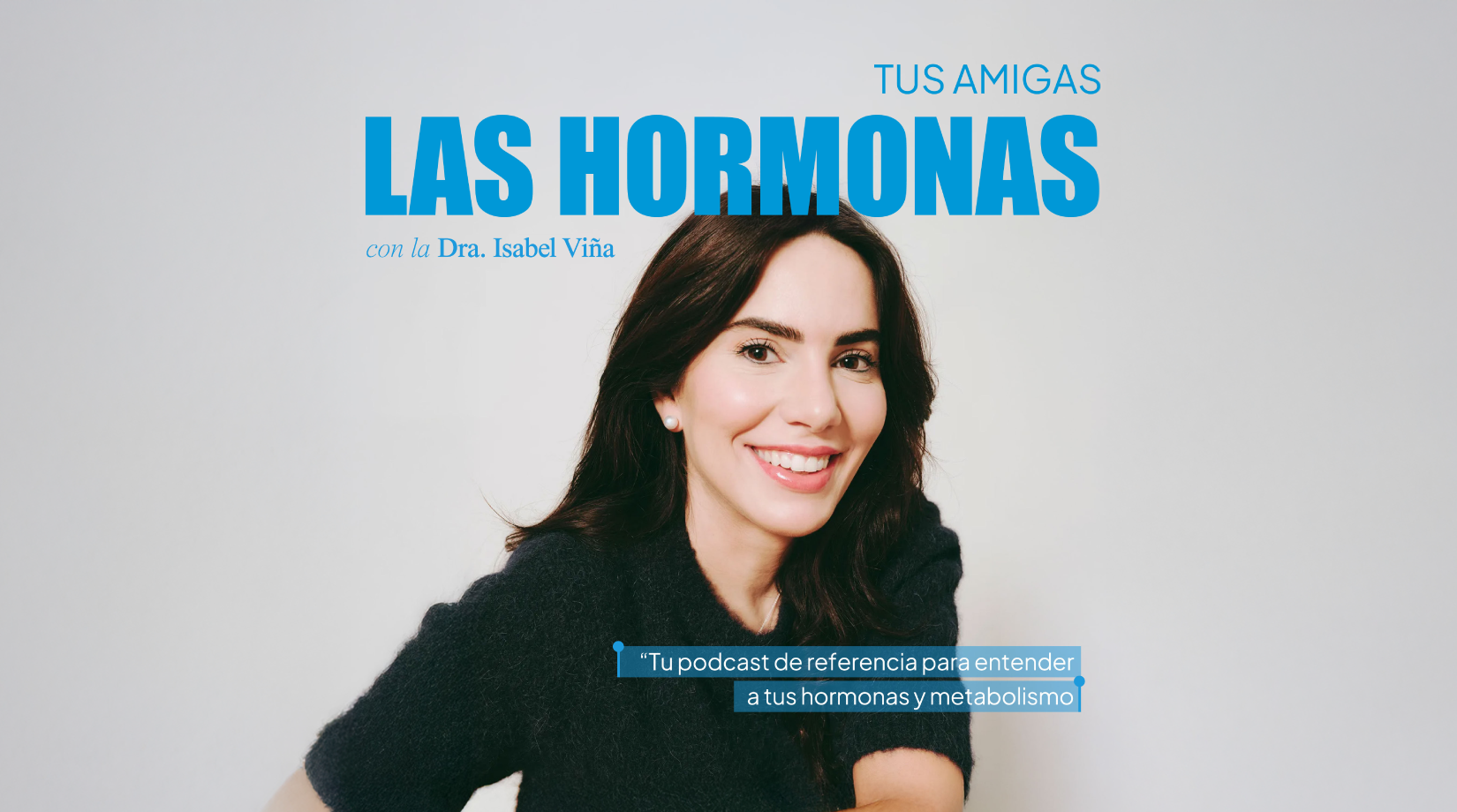
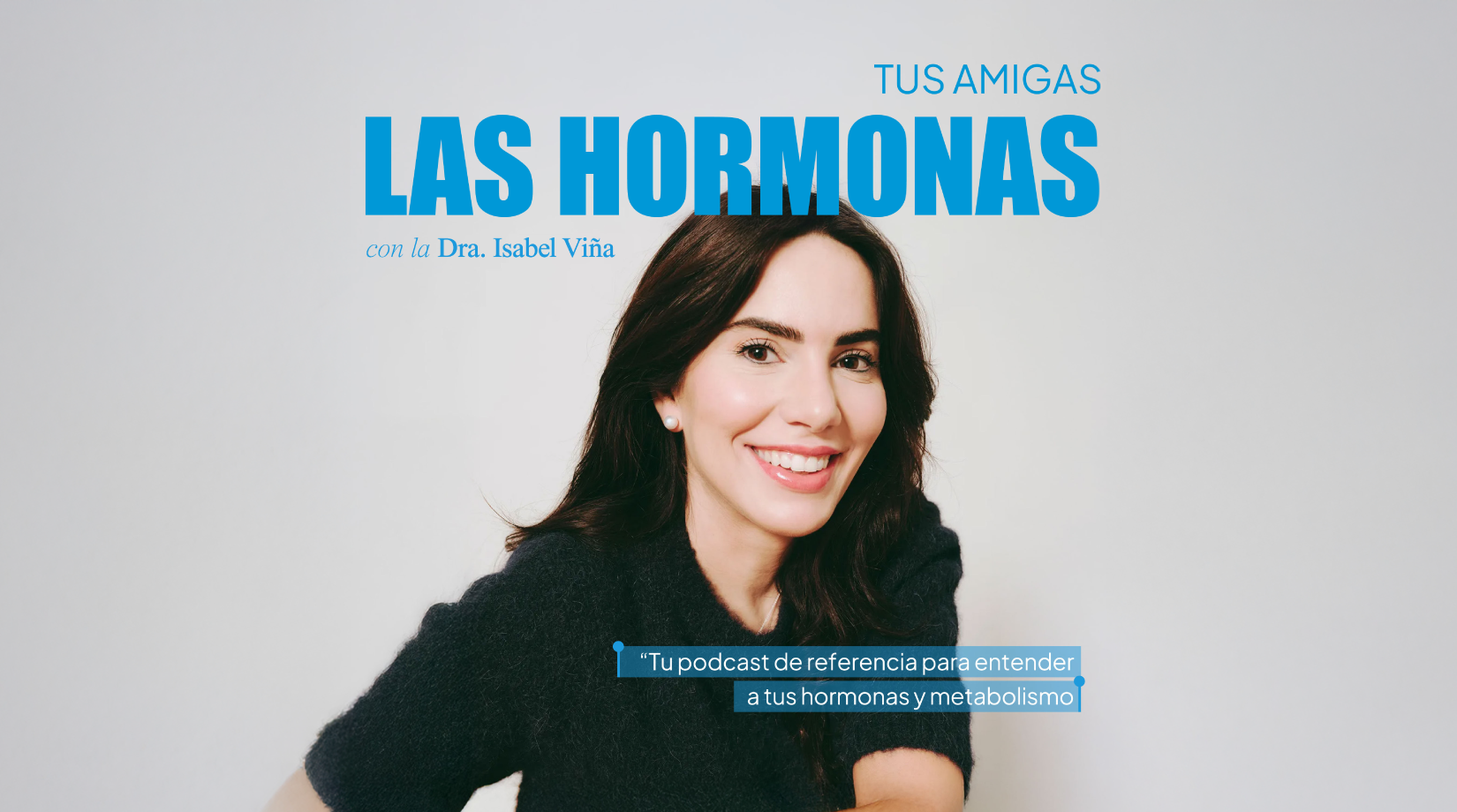
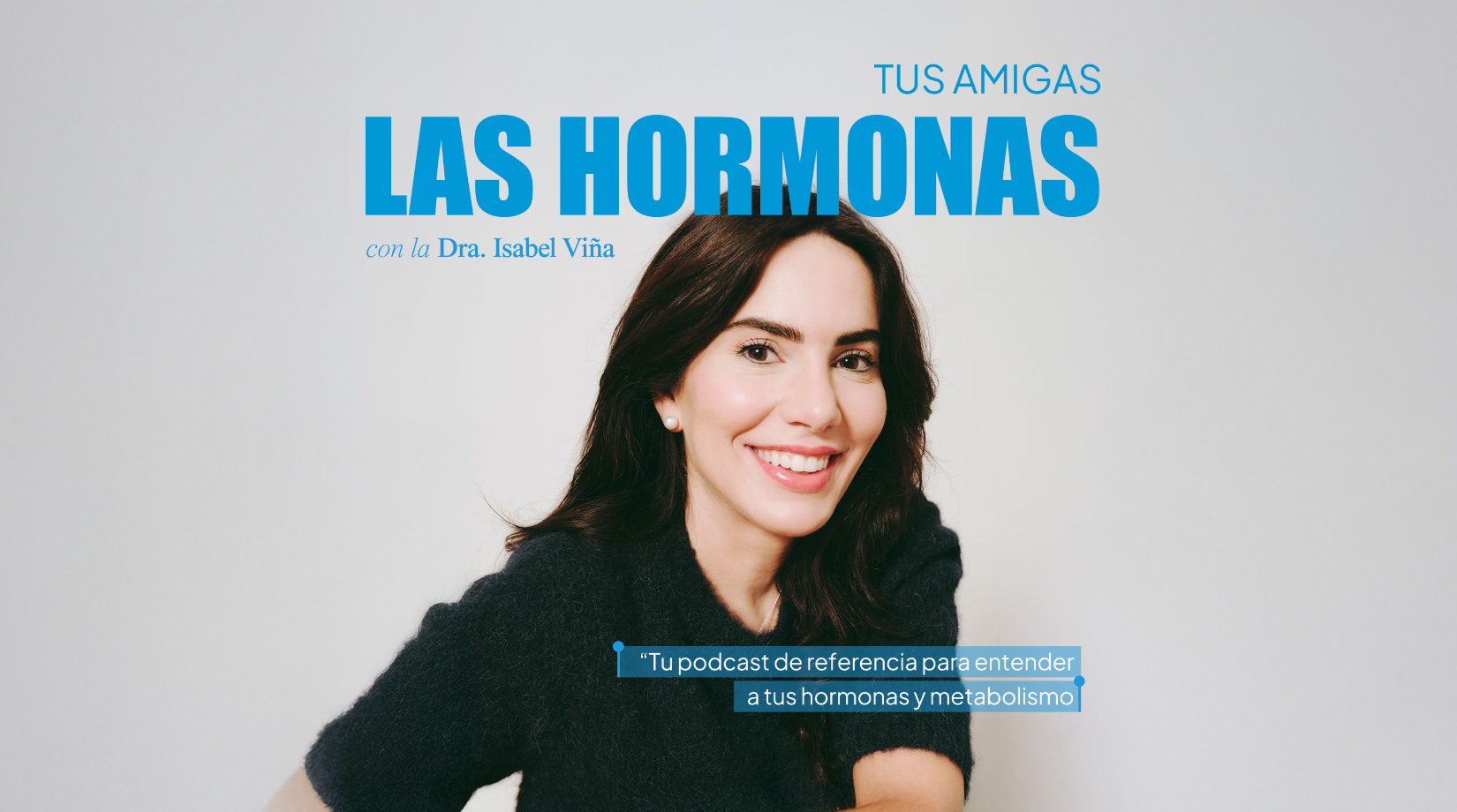
In this episode of Your Friends the Hormones we review the main causes, the differences between the types of alopecia, and some nutrients and compounds that may be interesting depending on the situation. Before looking for what to take to stop hair loss, there is a more important question: why is it falling out?
Yes. Hair is constantly renewing itself, just like skin or intestinal cells: hair follicles follow a cycle in which some hairs grow while others enter the shedding phase. That is why losing between 80 and 100 hairs a day can be part of what is normal.
What is worth looking at is hair density. If hair falls out but we still have a similar amount and density, it is most likely normal renewal. If, on the other hand, less populated areas appear, the hair becomes thinner and thinner, or the density decreases, it is worth investigating what is happening.
When we talk about alopecia, we tend to think of a single problem, but there are several types. A first classification separates scarring alopecias from non-scarring ones, and the difference matters: in scarring ones, there can be permanent destruction of the hair follicle. If inflammation and fibrosis exist, the follicle can end up replaced by scar tissue, and in that area, hair no longer grows back the same. Although they are less frequent, it is worth knowing about them and going to a dermatologist when signs appear that suggest one of these forms of alopecia.
Within this group, there are different diseases. Some autoimmune ones, such as lupus, can affect the scalp and cause permanent hair loss. Lichen planopilaris inflames the follicles and can end in fibrosis and their destruction. In dissecting cellulitis, certain microorganisms infect the follicles, and the subsequent inflammation damages them irreversibly.
The frontal fibrosing alopecia mainly affects women and is usually noticed as a progressive recession of the hairline. In these cases, detecting it early is especially important. Therefore, in the face of persistent hair loss, significant changes in density, or scalp alterations, an assessment by a specialized dermatologist can be key.
Androgenetic alopecia is probably the most well-known form of hair loss. We usually associate it with men, but it also affects women and accounts for a significant part of female alopecias.
Over time, the hair becomes thinner and smaller, which we call follicle miniaturization: the hair has less thickness, spends less time in the growth phase, and the density decreases. In women, it is seen especially in the area of the central part. In men, it is more frequent in the frontal area, the temples, and the crown.
An enzyme, 5-alpha-reductase, transforms part of the testosterone into dihydrotestosterone (DHT). DHT has a higher affinity for certain receptors and, in predisposed people, can affect the hair follicle. When this pathway is excessively activated, the hair spends less time in the growth phase and the follicle becomes smaller and smaller, resulting in thinner hair with less density.
The body needs a certain degree of inflammation for certain physiological processes to occur. The problem appears when the inflammation becomes chronic. Several prostaglandins are involved in the hair follicle, and if there is excess inflammation, that balance can be altered.
That is why, in androgenetic alopecia, two mechanisms that feed back into each other can coexist: greater activation of the DHT pathway and an inflammatory environment that harms the follicle. That explains why there is no single solution for everyone with hair loss. First, you have to identify which mechanisms are involved.
Another frequent type of hair loss is telogen effluvium: many hairs pass almost at the same time from the growth phase to the shedding phase. That is why the person may suddenly notice much more hair in the shower, on the brush, or on the pillow. Unlike some scarring alopecias, it is usually a reversible process.
It can appear after a period of stress, a very restrictive diet, significant weight loss, certain medications, or postpartum. In the postpartum period, the sudden hormonal change causes many hairs that were still growing during pregnancy to then enter the shedding phase, which is why the hair loss usually appears a few months after giving birth. It is generally temporary.
Yes. To grow and maintain its structure, hair needs certain nutrients, so very restrictive diets and sudden weight loss can promote hair loss. By reducing intake too much, fewer calories arrive, but also less protein, amino acids, vitamins, and minerals.
Among the nutrients that may be relevant are iron, vitamin D, vitamin C, vitamin B12, and magnesium, in addition to an adequate intake of protein. This does not mean that any hair loss is due to a nutritional deficiency. What does make sense is to assess, when there is hair loss, if any deficit may be contributing.
Regarding its structure, hair is mainly formed by proteins. Among them, L-cysteine has an especially interesting role because it participates in the bonds that help maintain that structure. We can imagine a protein as a necklace and the amino acids as the pieces that form it: cysteine makes that necklace resistant and able to withstand the traction and stress to which the hair is subjected.
That is why a very restrictive diet that does not provide enough amino acids can affect the quality and resistance of the hair. Taking more protein than necessary makes no sense; what matters is ensuring sufficient intake for each person's needs.
Stress is another factor that can trigger telogen effluvium. During periods of intense or sustained stress, hormonal and metabolic changes occur that can affect the hair cycle. That is why some people notice significant hair loss months after having gone through a stressful situation.
The cause is not always found by looking only at what happened in the last few weeks, because hair has its own cycle. When sudden hair loss appears, it is advisable to review what has happened during the previous months.
Certain medications can be associated with hair loss. That does not mean we should stop taking them. If a treatment has been prescribed by a doctor and hair loss appears that worries you, the appropriate thing to do is to consult the professional who prescribed it. Sometimes the medication influences the hair cycle directly and other times indirectly, by modifying the absorption or availability of certain nutrients.
In the episode, we mention some antihypertensives, medications for thyroid disorders, proton pump inhibitors, certain antihistamines, hormonal contraceptives, and some antidepressants. The relationship is not always direct or simple, and that is why each person's context weighs so much.
Intestinal health is also part of the equation. A microbiota imbalance can affect the production and absorption of certain nutrients and be related to an inflammatory state. Chronic inflammation, again, is one of the factors that can influence very different processes in the body, including hair.
That is why, to take care of hair, it is not enough to look at the scalp. Hair health also depends on what happens inside the body: a varied diet, sufficient fiber, and taking care of intestinal health are part of a global strategy.
Supplementation depends on the type of hair loss. There is no universal food supplement for any alopecia. If we talk about androgenetic alopecia, certain compounds that act on the pathways related to DHT and inflammation may be interesting.
Among them are saw palmetto, pumpkin seed extract, and lycopene, in addition to other compounds with antioxidant action. In certain formulas, ingredients such as vitamin E, N-acetylcysteine, or turmeric are also used. Silicon is of interest due to its relationship with the structure of the hair follicle and can be found, for example, in plant extracts such as horsetail or bamboo.
It is worth remembering something: just because an ingredient is interesting does not mean that any hair loss will respond to it. The cause always comes before the food supplement. If you want to see what IVB has for hair care, you can start with our hair loss page or with the anti-aging collection.
It is usually a postpartum telogen effluvium, and it is usually reversible. In many cases, the hair begins to recover little by little after a few months. In the meantime, it is advisable to ensure an adequate diet and check that there are no nutritional deficits that hinder recovery.
Nutrients such as iron, vitamin D, vitamin B12, vitamin C, zinc, and magnesium can be especially important, always according to individual needs. In addition, menstruation may return and increase iron needs in some women. Therefore, rather than taking food supplements without criteria, it makes sense to identify what each person needs.
There are specific pharmacological treatments for certain forms of alopecia. Minoxidil can promote hair growth and improve blood flow to the scalp, and it seems to favor more follicles remaining in the growth phase. In some cases, it is used together with other treatments.
Finasteride acts on the pathway that transforms testosterone into DHT and can be effective in certain people. Not everyone responds the same way, and adverse effects can appear that must be evaluated. That is why these treatments must be indicated and supervised by a healthcare professional.
If there is one idea I would like you to remember, it is that hair loss does not have a single cause. It can be androgenetic alopecia, telogen effluvium, a nutritional deficiency, a hormonal alteration, the effect of certain medications, stress, or, in some cases, a scarring alopecia that needs specific medical attention.
Therefore, in the face of persistent hair loss or an obvious loss of density, the most recommended thing is a professional assessment. A dermatologist specialized in hair can identify the type of alopecia and establish the appropriate treatment. Pharmaceutical advice also complements this approach, especially when choosing hair products and care.
Doctors and pharmacists are not separate worlds: healthcare works better when different professionals work together.
The hair can be a reflection of different processes in the body. Taking care of hair health goes beyond choosing a shampoo or looking for the food supplement that promises to stop hair loss: diet, ensuring the necessary nutrients, taking care of intestinal health, controlling stress, and, when necessary, looking for the medical cause also count.
Many of the most frequent causes of hair loss are reversible or treatable, and the sooner we know what is happening, the easier it will be to choose the appropriate approach. It is about understanding when hair loss is part of normal renewal and when it warns us that something requires attention.
Transforming your health is a matter of applying science with consistency, day by day. Knowing more to fear less and choosing better also applies to hair.
Author: Dr. Isabel Viña Bas
I hope you like it :)
For more information, you know you can find me on my Instagram @isabelvina where I share daily content
My TikTok @isabelvinabas
On my YouTube channel YouTube Channel
And the supplements formulated by me on my website My website



Search IVB Wellness Lab
Recent searches
Shop by goal
Best sellers
Nutritional supplement to improve the synthesis of glutathione (our greatest antioxidant) in our body.

Formula specifically designed to maximize female fertility

