




Isabel Viña Bas: The Challenge of Supplements
Today we speak with Dr. Isabel Viña Bas, an expert in hormones and supplementation. With over 300,000 followers on Instagram and one of the most listened-to health podcasts in Spain and Latin America, Isabel is passionate about public education and the creator of IVB formulas.
After recording videos explaining symptoms, supplements, and how our body works, Isabel answers 3 questions for us:
-Isabel, what made you choose medicine and the study of hormones as your vocation?
I really can't imagine doing anything else. I truly believe my purpose is medicine. I think there's nothing more beautiful than understanding how our body works and why it works, as it's the only companion we have throughout our lives. I love everything related to medicine: how the brain works, how the heart, the pancreas, etc., work. And if we take a step back, what makes things work is hormones and metabolism. Without hormones and metabolism, which encompass all the reactions occurring every second in millions and millions of cells, our body wouldn't function. So, I believe there's nothing more fascinating than understanding the 'why.' I think wisdom is the key to knowledge, action, and peace of mind. Being able to share what I know with people, seeing that sense of empowerment on their faces when they understand the 'why' behind things, is the most beautiful part. In fact, if I could start over, out of everything, I would choose medicine a thousand times over.
Isabel began to take an interest in dietary supplements during her early years in medical school, and her curiosity only grew. She continued her self-taught education, expanding her knowledge of dietary supplements, an area that goes far beyond the ostracism it had faced in Western medicine.

-What formula has been a challenge?
Wow! That's a great question. I truly believe they all are a challenge. I think the most dangerous thing is to assume a supplement will be easy because those are often the most complicated. So, I believe formulas are always complicated when you know what you want and are very specific and discerning with each supplement. But if I have to choose one, due to the complexity of explaining and formulating it, although it's hard to pick just one, it would be Metabolic-Max. It would be the supplement I'm most proud of because it's very difficult to naturally improve the function of a hormone as important as insulin and to do so effectively and differently from existing approaches has been the biggest challenge. It has also been complex to explain, as the insulin hormone is highly stigmatized and not well understood. That's why it was complicated to formulate and convey its importance.
-What should someone who is outside the world of supplementation, who isn't convinced of what it can offer, know? What do you advise to supplementation skeptics?
I love skeptical people. I believe that when faced with the unknown, you have two options: be skeptical, investigate, ask, search, or try it yourself. Or directly criticize, denigrate, and lump all supplements into the same category. I think unfortunately people confuse doubt or concern with criticizing what they don't know. Of course, doctors are generally trained in supplements and tend to criticize what we don't know. I think people who are respectfully skeptical are key. That will encourage them to become interested: Why isn't one supplement the same as another? Why doesn't one supplement cost the same as another? Why does one work and another doesn't? All that curiosity is the key to knowledge.
While it may be true that not everyone is at a point in their life where supplementation is necessary, I do believe that to some extent, especially with today's lifestyle and low nutritional quality, along with external stimuli like pollution, stress, or lack of time, supplements are necessary to enjoy the health optimization that existed a hundred years ago when we lived in the countryside, slept 10 hours, and had highly nutritious food.
I believe quality supplements have their function. More is not better. Better is better.
If you want to learn more about Dr. Isabel Viña Bas's formulas, click here.
Read more
-
 Reading time: 420 seconds
Back to the Routine: How to Get Back to Healthy Habits After Summer
Returning from vacation doesn't mean you have to start from scratch. During the summer, it's common for schedules to change, for us to eat out more often, to train differently, or to go to bed later. And that's okay. In fact, learning to adapt our habits to different moments and circumstances is also part of a healthy lifestyle. The problem usually arises when September arrives accompanied by the feeling that we have to “compensate” for everything we did during the holidays: going back to the gym five days a week all at once, starting a much more restrictive diet, eliminating certain foods, or trying to get back to all our old schedules in 24 hours. And you probably don't need to do any of that. Getting back into a routine can simply be that: returning, little by little, to those habits that we know help us feel good. Nutrition, rest, movement, and organization are some of the pillars that can facilitate this transition. In this article, we review how to recover a healthy routine after the summer in a progressive, realistic, and, above all, sustainable way. Returning to your eating routine after the summer After several weeks with different schedules, travel, eating out, and more improvisation, one of the first habits that can help regain a certain sense of routine is to reorganize your nutrition. Not because you ate “badly” during the holidays and now you have to do it “well,” but because having a certain structure makes day-to-day life much easier. Going back to grocery shopping, getting back to certain schedules, preparing some meals in advance, or simply having basic foods at home again can make a huge difference. How to plan your week without relying on improvisation Planning doesn't mean knowing exactly what you're going to eat every day of the week. Flexible planning can be enough. For example, before going grocery shopping, it can be useful to think about: 2-3 protein sources: eggs, fish, chicken, tofu, legumes... Different vegetables and greens. Seasonal fruit. Carbohydrate sources like potatoes, sweet potatoes, rice, quinoa, bread, or whole grains. Healthy fats like extra virgin olive oil, nuts, seeds, or avocado. Some quick resources for days with less time: cooked legumes, canned fish, frozen vegetables, hard-boiled eggs, gazpacho, or vegetable creams. From there, those foods can be combined in different ways throughout the week without needing to follow a rigid menu. It can also be useful to cook extra portions. Preparing more vegetables, rice, potatoes, or a protein source allows you to have part of your next meal already sorted. Teresa's Tip: One of the things that helps me the most when I return from vacation is doing a fairly basic grocery shop and filling the fridge again with foods that make things easy for me. You don't need to do a three-hour meal prep: often, just having good staples available completely changes the week. Regaining regular meal times During the holidays, our schedules also tend to change. We have breakfast later, eat at different times, or have dinner whenever it comes up. When returning to a routine, regaining some regularity can help reorganize the day and our meals. That doesn't mean everyone should have breakfast at 8:00, lunch at 14:00, and dinner at 21:00. There is no universal perfect schedule. The important thing is to find a structure that fits each person's needs, work, training, rest, and hunger and satiety cues. Why is it so hard to get back into a routine? After several weeks with different schedules, more social life, travel, and changes in diet, rest, or exercise, it is normal to need a few days to re-adapt. This temporary difficulty in re-adjusting to usual schedules and obligations is popularly known as “post-vacation syndrome” and can be accompanied by tiredness, apathy, irritability, difficulty concentrating, or changes in sleep. The good news is that it usually improves as we regain some regularity. And it's not about going back to being who you were before the summer, but about recovering a routine that is compatible with your current life. The mistake of wanting to recover everything in a single day September is like starting a new year. Suddenly, the desire to get organized, eat better, train more, sleep eight hours, prepare all the tupperware for the week, and recover any habit that was relaxed during the holidays in just a few days appears. However, trying to modify too many things at once usually makes it harder to maintain the changes. A more realistic strategy consists of identifying which two or three habits have the greatest impact on your day-to-day life and starting with them. It could be going to bed a little earlier, preparing lunch to take to work, or getting back to three training sessions a week. When those habits are part of your routine again, you can start incorporating others. Teresa's Tip: I would try not to turn September into a punishment for having enjoyed August. You don't need to compensate for your vacation or prove anything during the first week. Just go back little by little to the things you know make you feel good. Recover your sleep schedules little by little Sleep is usually another one of the big changes in the summer. The days are longer, we make more plans at night, we have dinner later, and often the time we wake up also changes. Therefore, trying to suddenly go to bed two hours earlier and sleep perfectly from the first night may not be very realistic. How to move your bedtime earlier without suffering from insomnia The body regulates the sleep-wake cycle through the circadian rhythm, a biological system of approximately 24 hours influenced especially by exposure to light. To re-adjust your schedules, it can help to: Progressively move your bedtime and wake-up time earlier. Expose yourself to natural light during the first hours of the day. Reduce exposure to intense light and screens before sleeping. Maintain some regularity in your schedules. Avoid excessively heavy dinners right before going to bed. Limit caffeine during the last hours of the day. Create a nighttime routine that helps the body anticipate rest. You don't need to apply all these strategies from the first day. As with nutrition, gradually regaining regularity is usually more realistic. The role of magnesium in rest Magnesium is an essential mineral that participates in hundreds of reactions in the body and contributes, among other functions, to the normal functioning of the nervous system, normal muscle function, and the reduction of tiredness and fatigue. It is naturally present in foods such as nuts, seeds, legumes, whole grains, green leafy vegetables, or cocoa. Therefore, nutrition is once again the foundation. When dietary intake is not sufficient or there is a situation where supplementation may be indicated, a magnesium supplement can be considered on an individual basis. At IVB Wellness, we have Magnesium Total, which combines two forms of magnesium, bisglycinate and malate, with Albion® minerals. This combination allows for the incorporation of magnesium in forms with good bioavailability. In any case, a supplement does not replace good sleep habits. Before supplementing, it is important to assess individual needs and consult with a healthcare professional. Returning to a routine also needs margin Returning to work, recovering schedules, organizing meals, school, training, pending tasks... September can involve quite a few simultaneous changes. Although the management of stress and anxiety falls within the scope of other healthcare professionals, there are lifestyle-related factors that are also part of health care. Getting enough sleep, maintaining an adequate diet, engaging in physical activity, and having some structure during the day can contribute to general well-being. And perhaps one of the most important points is to accept that not all habits have to return at once. Progressively recovering routines can be much more sustainable than trying to reproduce a perfect week from the first Monday. Checklist: get back to your routine in 7 days (without stress) If you could only do one thing each day this week, let it be one of these: ☐ Go to bed and wake up 15-30 minutes earlier than the day before. ☐ Plan at least 3-4 meals for the week and do your grocery shopping with a list. ☐ Fill the fridge with easy foods: fruit, plain yogurt, washed vegetables, eggs, cooked legumes, and quality protein. ☐ Get back to your usual breakfast, lunch, and dinner times. ☐ Move every day, even if it's just for 20-30 minutes. ☐ Prioritize good hydration from first thing in the morning. ☐ If you decide to use supplementation, always do so as a support to good habits and following the advice of a healthcare professional. You don't need to do it perfectly, just lay the foundations again. Frequently asked questions about returning to a routine How long does it take to get back into a routine? There is no single deadline, as it depends on each person and the habits we want to recover. Some routines can fit back into place in a few days, while others need several weeks. The important thing is not to do it quickly, but to gradually regain some regularity, without trying to change everything at once. Do I have to do a detox diet after the summer? No. Our body already has very effective detoxification systems (liver, kidneys, lungs, intestine, and skin). After the holidays, you don't need juices or restrictive diets, but to return to your usual habits. What if I gained weight during the holidays? Don't make impulsive decisions. A few days with different schedules or more social meals don't change your health. Get back to your routine for a few weeks before drawing conclusions. Can any food supplement help me? In some cases, supplementation can be considered when there is a specific need, especially if dietary intake is insufficient or a healthcare professional considers that it can provide value. In any case, it should always be understood as a complement to a healthy diet and habits. What really makes the difference After the summer, it is very tempting to want to start "from scratch," but the reality is that your health doesn't depend on one perfect week, but on what you do consistently over months and years. You don't need to compensate for August. You don't need to train twice as hard. You don't need to eat less. You just need to gradually recover those habits that you already know make you feel good. Returning to a routine can be an opportunity to take care of yourself again from a place of balance, without guilt and without extremes. Important information: Supplementation should never replace a healthy diet or good lifestyle habits. Before taking any food supplement, consult with a healthcare professional who can assess your situation individually, especially if you are pregnant, breastfeeding, taking medication, or suffer from any pathology. -

Heavy legs: causes, symptoms, and how to relieve them naturally
Discover why heavy legs occur, what their most common causes are, and which habits, exercises, and supplements can help relieve the discomfort. Some people end the day with the feeling of having carried extra weight in their legs for hours. Their ankles seem more swollen, walking becomes less comfortable, and a hard-to-describe discomfort appears that is often summarized in two words: heavy legs. Although it is usually associated simply with fatigue, this sensation can have different origins. Spending many hours sitting, working on your feet, heat, certain hormonal changes, or specific circulatory problems are some of the factors that can contribute to their appearance. The good news is that, in many cases, small changes in daily habits can help improve the inconvenience In this article, we are going to look at what are they heavy legs, what are their causes most frequent, when to consult with a healthcare professional and what strategies can help relieve symptoms. What are heavy legs and when to worry Heavy legs do not constitute a disease in itself, but rather a symptom that can appear for different reasons. Some people describe it as a constant feeling of tired legs bloating or difficulty maintaining the same lightness when walking they had at the start of the day. In many cases, this sensation progressively worsens as the hours pass and is usually more noticeable in the afternoon or at night. One of the most common causes is the chronic venous insufficiency a condition in which the veins have difficulty returning blood from the legs to the heart. When this occurs, pressure within the venous system increases, and fluid can accumulate in the tissues, promoting the appearance of edema, heaviness, and discomfort. Difference between muscle fatigue and venous insufficiency Not every feeling of tired legs necessarily implies a circulation problem. temporary muscle fatigue. In these cases, the discomfort usually improves with rest and disappears in a short time. However, when the feeling of heaviness occurs repeatedly, is accompanied by bloating, worsens when standing or sitting for long periods, and improves when elevating the legs deserves to be valued by a healthcare professional. Main causes of tired legs The feeling of heavy legs is rarely due to a single factor. Most commonly, it appears as consequence of several elements acting at the same time. Sedentary lifestyle The calf muscles act as a real pump that helps push blood back up to the heart. When we pass many hours of immobility, whether sitting in front of a computer or standing during the workday, this mechanical support decreases and venous return becomes less efficient. That is why it is not uncommon for discomfort to appear precisely at the end of the day. The heat and the summer months heat promotes the dilation of blood vessels can make venous return even more difficult prone to water retention, the discomfort can become even more apparent. Hormonal factors Pregnancy, certain phases of the menstrual cycle, or menopause can affect venous circulation and promote the onset of symptoms in some women. Although are not the only cause, sí pueden contribuir a que las molestias aparezcan con mayor facilidad. Chronic venous insufficiency: warning signs Chronic venous insufficiency is one of the most common causes for heavy legs other symptoms may appear such as ankle swelling, pain, itching, cramps, or visible varicose veins. Symptoms associated with heavy legs Swelling, pain, and a feeling of heaviness The feeling of heaviness rarely appears alone. It is frequently is accompanied by other symptoms which can vary considerably from person to person. In some people, the bloating and the feeling of heaviness itching, cramps or feeling of tension. may appear varicose veins or progressive skin changes cuando existe una enfermedad venosa más avanzada. When to consult a doctor Although heavy legs are usually associated with mild or moderate issues, there are situations where it is advisable to seek a medical evaluation. Por ejemplo: Sudden swelling of a single leg. Severe or persistent pain. Progressive worsening of symptoms. Significant skin changes. Appearance of wounds or ulcers. How to relieve heavy legs at home When we talk about heavy legs, daily habits often have more of an impact than many people realize. Position, hydrotherapy, and draining massages Elevate your legs whenever possible Elevate your legs for a few minutes can promote venous drainage and provide temporary relief, especially after long workdays or during the hottest months. Avoid prolonged periods of immobility try to take short breaks to move around regularly. Incluso unos pocos minutos de caminata pueden marcar la diferencia. Take care of your hydration and lifestyle Maintain proper hydration and engage in regular physical activity contribute to creating a more favorable environment for vascular health. If you are interested in this topic, you may also find our useful item about how to prevent water retention in summer. Exercises to improve venous return Walk regularly is one of the simplest and most effective strategies to promote venous return. Every step activates the calf muscles and helps pump blood back to the heart, reducing the feeling of congestion in the legs. Natural nutrition and supplements for heavy legs Diet alone does not correct established venous insufficiency, but it can play a role in part of a global strategy oriented towards circulatory well-being. In fact, maintaining a healthy weight and following a balanced eating pattern can help reduce some factors that contribute to worsening symptoms. Key nutrients for venous circulation Some plant compounds, especially certain flavonoids and polyphenols, han despertado interés por su posible papel en la salud venosa. naturally present in fruits, vegetables, and various plant extracts traditionally used for circulation care. Evidence-based plants: horse chestnut and other plant extracts Among the supplements studied for chronic venous insufficiency, the horse chestnut is probably one of the ingredients with the best scientific backing. In 2012, Pittler and Ernst published a Cochrane review that analyzed 17 clinical trials and concluded that horse chestnut seed extract seemed to improve symptoms such as pain, edema, and the feeling of heaviness in people with chronic venous insufficiency. The results were consistent with what was observed years earlier by Diehm and colleagues, who in 1996 directly compared this extract with compression stockings for 12 weeks. At the end of the intervention, both groups showed similar reductions in edema, while the results were less favorable in the placebo group. More recently, in 2020, Martínez-Zapata and collaborators reviewed the available evidence on different phlebotonics used in chronic venous disease. After analyzing dozens of clinical trials, they observed a modest reduction in edema the effects on other clinical outcomes were less consistent. horse chestnut, rutin, or plant extracts rich in polyphenols CircuDren, una formulación que combina varios de estos compuestos dentro de una estrategia global orientada al cuidado de la circulación. Preventive habits for the feeling of heavy legs sum of small habits than of a single specific measurement. As we have previously mentioned, the staying physically active, take care of body composition, promote good hydration, and pay attention to vascular health are strategies that can help reduce the occurrence of discomfort over time. Frequently asked questions about heavy legs (FAQ) Do heavy legs always indicate poor circulation? No. Although venous insufficiency is a common cause, heat, a sedentary lifestyle, standing for long hours, or certain hormonal changes can also play a role. Does walking help relieve heavy legs? Yes. The contraction of the calf muscles promotes venous return and can help reduce the feeling of heaviness. Do compression socks work? Yes. They are one of the most widely used conservative measures for chronic venous insufficiency and have extensive clinical support. What can I take for tired legs? Some plant extracts, such as horse chestnut, have shown promising results in clinical studies. However, they should be considered a complement within a broader strategy that includes healthy habits and physical activity. References Cesarone MR, Belcaro G, Rohdewald P, Pellegrini L, Ippolito E, Scoccianti M, Ricci A, Dugall M, Cacchio M, Ruffini I, Fano F, Acerbi G, Vinciguerra MG, Bavera P, Di Renzo A, Errichi BM, Mucci F. Prevention of edema in long flights with Pycnogenol. Clin Appl Thromb Hemost. 2005 Jul;11(3):289-94. doi: 10.1177/107602960501100307. PMID: 16015414. Diehm C, Trampisch HJ, Lange S, Schmidt C. Comparison of leg compression stocking and oral horse-chestnut seed extract therapy in patients with chronic venous insufficiency. Lancet. 1996 Feb 3;347(8997):292-4. doi: 10.1016/s0140-6736(96)90467-5. PMID: 8569363. Martinez-Zapata MJ, Vernooij RW, Simancas-Racines D, Uriona Tuma SM, Stein AT, Moreno Carriles RMM, Vargas E, Bonfill Cosp X. Phlebotonics for venous insufficiency. Cochrane Database Syst Rev. 2020 Nov 3;11(11):CD003229. doi: 10.1002/14651858.CD003229.pub4. PMID: 33141449; PMCID: PMC8094625. De Maeseneer MG, Kakkos SK, Aherne T, Baekgaard N, Black S, Blomgren L, Giannoukas A, Gohel M, de Graaf R, Hamel-Desnos C, Jawien A, Jaworucka-Kaczorowska A, Lattimer CR, Mosti G, Noppeney T, van Rijn MJ, Stansby G, Esvs Guidelines Committee, Kolh P, Bastos Goncalves F, Chakfé N, Coscas R, de Borst GJ, Dias NV, Hinchliffe RJ, Koncar IB, Lindholt JS, Trimarchi S, Tulamo R, Twine CP, Vermassen F, Wanhainen A, Document Reviewers, Björck M, Labropoulos N, Lurie F, Mansilha A, Nyamekye IK, Ramirez Ortega M, Ulloa JH, Urbanek T, van Rij AM, Vuylsteke ME. Editor's Choice - European Society for Vascular Surgery (ESVS) 2022 Clinical Practice Guidelines on the Management of Chronic Venous Disease of the Lower Limbs. Eur J Vasc Endovasc Surg. 2022 Feb;63(2):184-267. doi: 10.1016/j.ejvs.2021.12.024. Epub 2022 Jan 11. Erratum in: Eur J Vasc Endovasc Surg. 2022 Aug-Sep;64(2-3):284-285. doi: 10.1016/j.ejvs.2022.05.044. PMID: 35027279. Eberhardt RT, Raffetto JD. Chronic venous insufficiency. Circulation. 2014 Jul 22;130(4):333-46. doi: 10.1161/CIRCULATIONAHA.113.006898. PMID: 25047584. Pittler MH, Ernst E. Horse chestnut seed extract for chronic venous insufficiency. Cochrane Database Syst Rev. 2012 Nov 14;11(11):CD003230. doi: 10.1002/14651858.CD003230.pub4. PMID: 23152216; PMCID: PMC7144685. -

What is saffron extract and what is it used for?
Saffron This powerful and readily available spice in our pantries hides numerous benefits that go far beyond the kitchen. This spice, also known as "red gold," is the most expensive in the world, as it must be harvested by hand and its yield per hectare is very low. It is obtained from the flower of Crocus sativus L. , a small, fleshy, perennial plant. It is composed of the following micronutrients: Carotenoids (crocins, crocetins and glycoside, responsible for giving it color) Monoterpene aldehydes : picrocrocin (the one that gives it that bitter taste) and safranal (responsible for the aroma) Platelet aggregation activator/inhibitor proteins . Vitamins such as B1 and B2. Other carotenoids such as alpha and beta-carotene, lycopene and zeaxanthin. What are the benefits of saffron extract? The most recent studies place it as a very beneficial option for the brain and the gut , as it is able to modulate neurotransmitters such as dopamine and serotonin , both involved in mood, appetite regulation and satiety. In fact, the decreased availability of serotonin in the brain prevents the centers responsible for sensing satiety from registering that we are eating. What does this mean? It means that the signals to our body to stop eating are not being sent. This feeling is very common during the perimenopause stage, and it is accompanied by some symptoms such as mood swings, tiredness, sadness, irritability, nervousness, sleep disturbances, and emotional hunger. Although not all women at this stage experience the same symptoms, or at least not with the same intensity, trying to put words to what we feel or suffer can bring some relief. Therefore, one of the key ingredients that can shed light during this time is precisely the saffron extract standardized by its most important active ingredient: crocins. Satissens and MenoMaster , two supplements with the highest percentage on the market Two of our products with the highest percentages on the market are SatiSens and MenoMaster : the former to control appetite and cravings, and the latter to support emotional balance and relaxation. These two cutting-edge formulas, combined with a good exercise routine and a healthy diet, can help improve these issues. MenoMaster It is specifically formulated to address the most common symptoms and signs of menopause: irritability, mood swings, insomnia, hot flashes, anxiety, and dry skin and mucous membranes. It contains 30 mg of saffron extract standardized with the highest concentration of crocins available on the market (10%) under the Safrasol patent. [products_1] How can saffron extract help improve these mood swings? Saffron (Crocus sativus L.) and especially some of its components such as crocin, crocetin and safranal, appear to contribute to improving mood through various complementary mechanisms, among which the following stand out: Increased brain concentrations of dopamine Modulation of the HPA (hypothalamic-pituitary-adrenal) axis by reducing plasma cortisol concentrations. Neuroprotective effects, thanks mainly to crocin, which has been shown to increase levels of BDNF (brain-derived neurotrophic factor), involved in the formation of new neurons as well as in improving the connections between them. And for mood and appetite modulation, it is also found in the same dose in our SatiSens, designed to help control appetite, especially emotional hunger or the hunger that can appear when quitting harmful habits such as smoking or alcohol. [products_2] In this way, saffron extract, and especially the crocins it contains, appear to promote serotonin production in various brain areas involved in appetite regulation. This makes our hypothalamus more receptive to these signals, reducing the amount of food consumed. We'll give you more information in the following post: [instagram_1] -

Omega-3 for Skin: What It Does and How It Can Help
Omega-3 plays an interesting role in skin health thanks to its relationship with barrier function, hydration, and the regulation of the inflammatory response. Some studies suggest potential benefits for dry skin, atopic dermatitis, and other inflammatory skin conditions. -
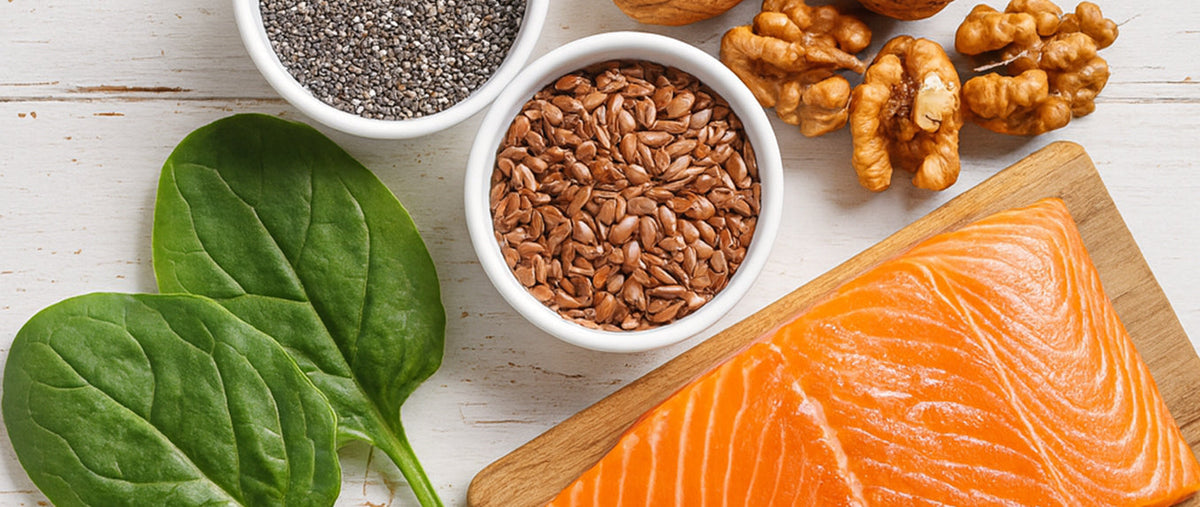
Omega-3: real benefits, sources and how to choose according to goals (EPA, DHA and ALA)
Understand omega-3 with a clear, evidence-based guide: what it is and how it works in our bodies. We review its role in cardiovascular and mental health, brain function, pregnancy, and male fertility. We include dietary sources and practical criteria for prioritizing EPA or DHA based on your goals, and we guide you in choosing a quality supplement: chemical form, purity, protection against oxidation, and certifications. -

What is Omega 3 used for? Discover its benefits for skin, heart, and muscles
Discover all the benefits of taking Vegan Omega 3+ every day -

Adaptogens: your vitamins against stress.
How to be more resilient with the support of food supplements.


