


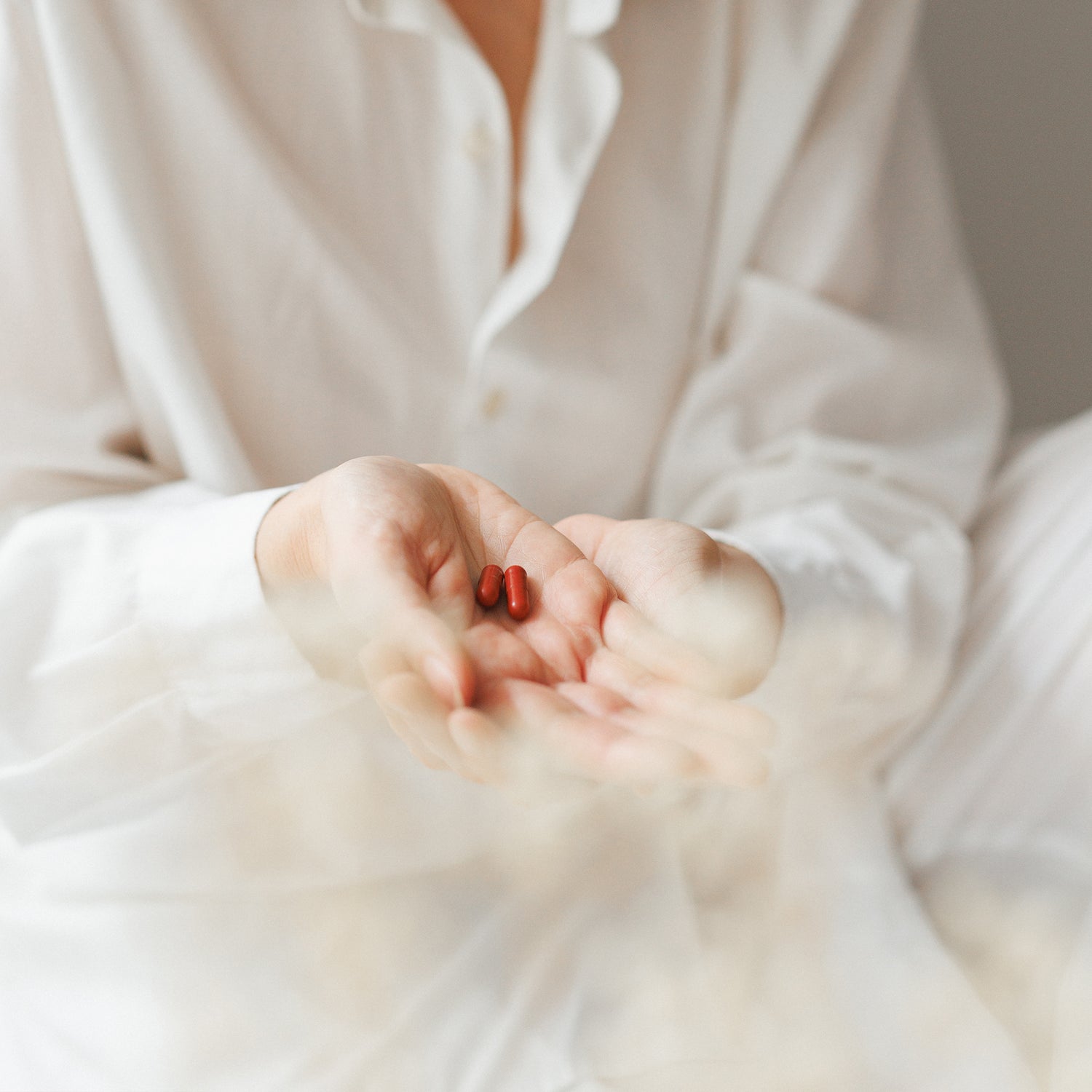




How to sleep well: habits to improve your rest and your health
Getting enough sleep is one of the cornerstones of good health , although we often treat it as secondary. Many people report difficulty falling asleep, others wake up several times, and some wake up as tired as when they went to bed. This is no small matter: lack of sleep not only causes fatigue and irritability, but also contributes to weight gain, increases the risk of type 2 diabetes, and is linked to cardiovascular and mental health problems.
The good news is that sleep quality can be improved with simple, sustainable habits . Science has studied which changes have a real impact, from controlling light and temperature to exercising and reducing screen time. Sleeping better isn't a pipe dream: it's a matter of consistency and understanding what happens in our bodies when we turn off the lights.
Sleep is essential because it's the time when the body carries out repair processes: the brain consolidates memories and clears toxins; the body regenerates tissues, synthesizes hormones like growth hormone, and regulates the immune system. In terms of metabolism, it balances signals like leptin and ghrelin and modulates cortisol.
What happens in the body when we sleep and why is it so important?
Sleep is not a passive state . During the night, the brain consolidates what has been learned and improves long-term memory. Simultaneously, the body adjusts key metabolic signals : leptin and ghrelin (satiety and hunger) are balanced, insulin functions better, and cortisol levels decrease during deep sleep, promoting recovery. When sleep is insufficient, this pattern is reversed, and the consequences of poor sleep include increased hunger, poorer blood sugar control, and a feeling of being "on edge."
Furthermore, rest is a time for physical repair (muscle and skin), immune system strengthening , and "cleansing" of the glymphatic system in the brain. Sleeping well impacts how we think, eat, defend ourselves against infections, and age. 
What does science say?
Sleeping more helps regulate appetite
Rest not only determines how we think and our energy levels the next day, but it also influences how we eat. When we don't get enough sleep, the body produces more ghrelin (the hormone that triggers hunger) and less leptin (the hormone that signals satiety). This hormonal imbalance makes it easier to experience cravings and harder to stop eating after a bad night's sleep.
This link between sleep and appetite was confirmed in a clinical trial with overweight adults. Tasali et al. (2022) asked participants to try to sleep one more hour each night. The result was striking: without diets or restrictions, they spontaneously reduced their daily calorie intake by about 270 calories. Sleeping more acted as a natural regulator of hunger , which in the long term can help control weight without additional effort.
In conclusion, taking care of both sleep hours and food choices for a good night's sleep creates a virtuous cycle: rest helps control appetite and, at the same time, certain foods promote more restorative sleep.
The effect of screens and caffeine
In modern life, one of the biggest enemies of sleep is screens. Many people use their mobile phones, tablets, or televisions right up until bedtime, unaware of the blue light they emit. These substances delay the release of melatonin , the hormone that tells the body it's time to sleep. Something similar happens with caffeine; even if consumed in the afternoon, it can remain active for six or seven hours and make it difficult to fall asleep.
This phenomenon has been systematically reviewed. Chow et al. (2022) analyzed the available evidence on sleep hygiene practices and concluded that reducing screen time at night, avoiding caffeine and alcohol in the hours before bedtime, and maintaining regular routines are measures that consistently improve both the duration and perceived quality of sleep . The review highlights that these are not isolated changes, but rather habits that, together, help the body synchronize with its natural biological rhythm. 
Relaxation and meditation techniques
Many people report that what truly prevents them from sleeping is "having their head constantly racing," with thoughts constantly swirling around in their heads. In these cases, the difficulty is not biological but mental; it's hard to disconnect from the worries and tension accumulated during the day.
This is where relaxation techniques for sleeping well come into play . In a clinical trial with adults suffering from chronic insomnia, Ong et al. (2014) compared two approaches: cognitive-behavioral therapy For insomnia, both therapy and mindfulness meditation helped patients sleep longer and better, although therapy proved somewhat more effective in the long run. Meditation, however, offered a clear benefit: it helped those who needed to calm their minds just before bedtime.
In adults with sustained stress, L-theanine (a natural amino acid extracted by fermentation of green tea) has shown in a controlled trial improvements in perceived stress and sleep quality without a “hangover” effect (Hidese et al., 2019), and can support and enhance relaxation routines when the mind is racing at night.
L-theanine has beneficial effects on relaxation and sleep quality. Therefore, using L-theanine obtained through natural fermentation of green tea guarantees its pure form, with proven efficacy and biological activity.
- Dr. Isabel Viña
Physical exercise and deep rest
Sleep doesn't depend solely on what we do before bed; it's also built up during the day. Physical activity is one of the factors that most influences the quality of rest , and yet it remains one of the most overlooked.
Science strongly supports this. In a systematic review, Kredlow et al. (2015) analyzed the effects of exercise on sleep and found that people who moved regularly—whether walking, jogging, or strength training—slept more soundly and experienced fewer nighttime awakenings. Intense exercise wasn't necessary; moderate sessions of about 30 minutes several times a week were enough to make a noticeable difference.
The role of the environment: temperature, light and noise
We often think of sleep as something that depends solely on our mind or hormones, but the physical environment is just as crucial. Sleeping in a room that's too hot makes it difficult to maintain deep sleep, while a cool environment is more conducive to it. —between 18 and 20 °C— helps both to fall asleep and to stay asleep .
Light also plays a key role. Even a dim lamp or the screen of an alarm clock can reduce melatonin production and disrupt the sleep-wake cycle. That's why blackout curtains, suitable blinds, or using an eye mask can make a big difference. The same is true for noise ; although it doesn't always wake us up, it fragments sleep phases and reduces sleep quality . In noisy cities, solutions like earplugs or white noise machines can improve the continuity of sleep. 
Melatonin: take it under professional supervision.
Melatonin can help when the circadian rhythm is disrupted (e.g., jet lag or shift work) at low doses (≈0.5–1 mg, 30–60 min before). Although it is the most studied compound, it is not a universal sedative, as its inappropriate use can cause morning sleepiness, vivid dreams, or worsen awakening. Chronic use without supervision is not recommended , nor is it advised during pregnancy or childhood unless medically indicated. The priority remains light hygiene (no screens) and consistent sleep schedules. (Synthesis based on Ferracioli-Oda et al., 2013).
Practical tips for sleeping better
-
Maintain regular schedules : go to bed and get up at the same time every day.
-
Turn off screens at least an hour before going to sleep to avoid suppressing melatonin.
-
Avoid caffeine and alcohol in the afternoon and evening.
-
Exercise regularly , but not right before going to bed.
-
Ensures a cool (18–20 °C), dark and quiet bedroom .
-
Create a relaxing ritual : read, meditate, listen to calming music, or breathe deeply.
-
If you're wondering ' what to take to sleep well?' , consider using specific supplements for this purpose, in specific situations and with professional advice .
Getting restful sleep is the best investment.
Sleeping well isn't a luxury; it's one of the best investments you can make in your health . The benefits are noticeable in your daily energy levels, your mood, your metabolism, and even in the prevention of long-term illnesses.
The key to the question 'how to sleep well and deeply?' lies in the consistency of small gestures : maintaining stable routines, limiting screens before bed, respecting caffeine schedules, moving daily and creating an environment conducive to rest.
Because when sleep improves, The quality of life improves .
References
-
Chow, C. M. (2022). Sleep Hygiene Practices: Where to Now? Hygiene, 2(3), 146-151. https://doi.org/10.3390/hygiene2030013
-
Ferracioli-Oda E, Qawasmi A, Bloch MH. Meta-analysis: melatonin for the treatment of primary sleep disorders. PLoS One. 2013 May 17;8(5):e63773. doi: 10.1371/journal.pone.0063773. PMID: 23691095; PMCID: PMC3656905. https://pubmed.ncbi.nlm.nih.gov/23691095/
-
Hidese S, Ogawa S, Ota M, Ishida I, Yasukawa Z, Ozeki M, Kunugi H. Effects of L-Theanine Administration on Stress-Related Symptoms and Cognitive Functions in Healthy Adults: A Randomized Controlled Trial. Nutrients. 2019 Oct 3;11(10):2362. doi:10.3390/nu11102362. PMID: 31623400; PMCID: PMC6836118. https://pubmed.ncbi.nlm.nih.gov/31623400/
-
Jason C. Ong, Rachel Manber, Zindel Segal, Yinglin Xia, Shauna Shapiro, James K. Wyatt, A Randomized Controlled Trial of Mindfulness Meditation for Chronic Insomnia, Sleep, Volume 37, Issue 9, 1 September 2014, Pages 1553–1563, https://doi.org/10.5665/sleep.4010
-
Kredlow MA, Capozzoli MC, Hearon BA, Calkins AW, Otto MW. The effects of physical activity on sleep: a meta-analytic review. J Behav Med. 2015 Jun;38(3):427-49. doi:10.1007/s10865-015-9617-6. Epub 2015 Jan 18. PMID: 25596964. https://pubmed.ncbi.nlm.nih.gov/25596964/
-
Tasali E, Wroblewski K, Kahn E, Kilkus J, Schoeller DA. Effect of Sleep Extension on Objectively Assessed Energy Intake Among Adults With Overweight in Real-life Settings: A Randomized Clinical Trial. JAMA Intern Med. 2022 Apr 1;182(4):365-374. doi: 10.1001/jamainternmed.2021.8098. PMID: 35129580; PMCID: PMC8822469. https://pubmed.ncbi.nlm.nih.gov/35129580/
Read more
-

Magnesium for Sleep and Theanine: The Combination That Can Help You Rest Better
Discover how magnesium and L-theanine can help improve sleep quality, which forms of magnesium are most suitable, recommended dosages, and in which cases this combination can naturally promote relaxation and nighttime rest. -

Diet and Insomnia: How High Glycemic Load Foods Affect Your Sleep
A diet high in glycemic load increases the risk of insomnia, according to a study of more than 50,000 menopausal women. Refined sugars disrupt neurotransmitters and sleep hormones, while a diet rich in fiber and protein promotes rest. -
 Reading time: ~ 5 MIN
Daylight Savings Time: How it affects us and how to reduce the impact
On Sunday, October 27th, the time will change in Spain: clocks will be set back 1 hour at 3 AM to gain more daylight hours in winter. Find out how it can affect your health and what you can do to mitigate it.


