


Schisandra chinensis in sport
Hong BS, Baek S, Kim MR, Park SM, Kim BS, Kim J, Lee KP. Systematic analysis of the pharmacological function of Schisandra as a potential exercise supplement. Phys Act Nutri. 2021 Dec;25(4):38-44.

Best sellers
A to Z · 36 products
Cart
 Total Magnesium 60 Pills
Total Magnesium 180 Pills
 FertiUp Pineapple
 FertiUp Kiwi
 Vegan Omega 3+ 30 Capsules
Vegan Omega 3+ 90 Capsules
 Vitamin D3+K2 60 Pills
Vitamin D3+K2 90 Pills
 CircuDren
 Metabolic-Max and SatiSens Pack
 FemmeBalance 60 Pills
 FemmeBalance 180 Pills
 Metabolic-Max
 Flavored Sticks Cocoa
Flavored Sticks Vanilla
Flavored Sticks Cinnamon
Flavored Sticks White chocolate-strawberry
Flavored Sticks Mix of flavors
 Vegan Protein
 CREATINE Essential
Your cart is currently empty.

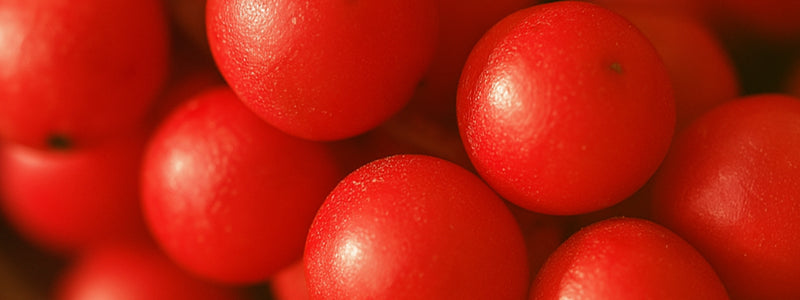
 Traditionally considered an adaptogenic plant
 Its berries combine all five flavours: sweet, sour, salty, bitter and pungent

Search IVB Wellness Lab
Recent searches
Shop by goal
Best sellers

Nutritional supplement to improve the synthesis of glutathione (our greatest antioxidant) in our body.

Formula specifically designed to maximize female fertility

