


For
- Muscle function
- Restorative rest
- +2
Total Magnesium
Nutritional supplement to improve the synthesis of glutathione (our greatest antioxidant) in our body.

Best sellers
A to Z · 39 products
Ships in 24h/48h
Your cart is empty.
 Total Magnesium 60 Pills
Total Magnesium 180 Pills
 FertiUp Pineapple
 FertiUp Kiwi
 Vegan Omega 3+ 30 Capsules
Vegan Omega 3+ 90 Capsules
 Vitamin D3+K2 60 Pills
Vitamin D3+K2 90 Pills
 CircuDrenFormula designed to promote the feeling of light legs and support fluid balance
 Metabolic-Max and SatiSens PackIt helps you manage hunger emotionally and metabolically, reducing appetite while promoting glucose balance, cholesterol, and liver health.
 FemmeBalance 60 Pills
 FemmeBalance 180 Pills
 Metabolic-MaxSupport for maintaining glucose, cholesterol, and liver protection
 Flavored Sticks Cocoa
Flavored Sticks Vanilla
Flavored Sticks Cinnamon
Flavored Sticks White chocolate-strawberry
Flavored Sticks Mix of flavors
 Vegan Protein100% plant-based protein for your daily intake. Proteins contribute to the maintenance and growth of muscle mass and to the maintenance of bones under normal conditions.
 CREATINE EssentialImprove your physical performance in high-intensity exercises.

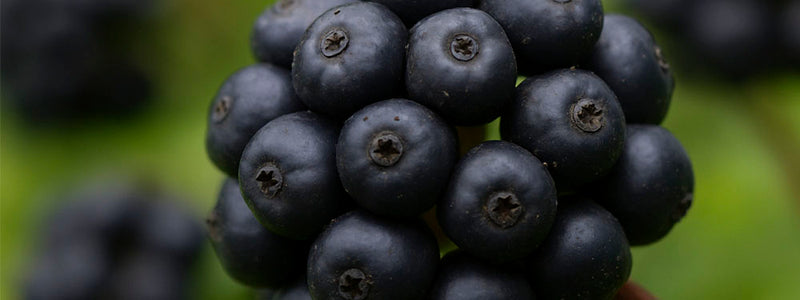
 Called Siberian ginseng, although it is not a ginseng
 Its characteristic compounds are eleutherosides B and E
Traditionally considered an adaptogenic plant
Search IVB Wellness Lab
Recent searches
Shop by goal
Best sellers
Nutritional supplement to improve the synthesis of glutathione (our greatest antioxidant) in our body.

Formula specifically designed to maximize female fertility

General health, of plant origin
