



MSM (methylsulfonylmethane)
Quick facts
 MSM helps support joint health and reduce pain associated with inflammation.

MSM is a bioavailable source of sulfur, an important element for the formation of collagen and keratin, which are essential for skin, hair, nails, and connective tissue.
What is MSM?
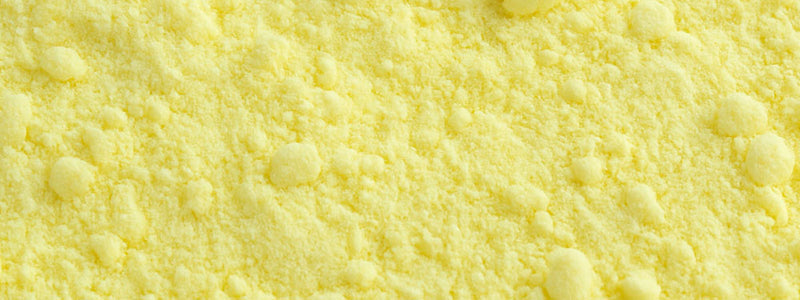
Methylsulfonylmethane (MSM) is an organic sulfur compound that is found naturally, in small amounts, in fruits, vegetables, grains, and milk. As a supplement, it comes in powder or capsule form and is used primarily for joint care, post-exercise recovery, and skin health.
How does it work?
- It provides sulfur for the synthesis of collagen, keratin, and cartilage.
- Anti-inflammatory action: it reduces the release of pro-inflammatory cytokines such as IL-6 and TNF-α.
- Antioxidant action: it increases antioxidant capacity and decreases cellular damage caused by free radicals.
What does science say?
Joints
In two controlled trials in people with knee osteoarthritis, MSM at doses of 3 to 6 g per day for 12 weeks reduced pain and improved physical function compared to a placebo (Kim 2006; Debbi 2011).
Exercise and muscle recovery
In half-marathon runners, 3 g per day for 21 days was associated with less muscle pain and less oxidative stress after the race (Withee 2017). Another trial in healthy men observed lower oxidative stress after intense exercise (Nakhostin-Roohi 2011).
Skin
In a trial in women, 3 g per day for 16 weeks improved elasticity, hydration, and the appearance of wrinkles compared to a placebo (Anthonavage 2015).
Dosage and how to take it
- The studied doses range from 1.5 to 6 g per day, usually divided into two doses.
- It is advisable to start with low doses and increase gradually to assess tolerance.
- It is often combined with glucosamine and Boswellia for joint care.
- Studies evaluate its effects after 12 to 16 weeks of use.
Safety
- It has a favorable safety profile; side effects, which are rare, include mild digestive discomfort or headache.
- There is insufficient data regarding pregnancy and breastfeeding.
- If you are taking medication or have any medical condition, consult a healthcare professional first.
Frequently asked questions
Is MSM or glucosamine better?
They do not compete: they act in a complementary way. MSM provides sulfur and has anti-inflammatory and antioxidant action; glucosamine is a structural component of cartilage. That is why they are frequently combined.
Is MSM good for hair and nails?
Sulfur is necessary to form keratin, the protein in hair and nails, but direct evidence for this use is still limited.
How long does it take to notice results?
Studies on joints and skin measure results after 12 to 16 weeks of daily use.
References
- Kim LS, Axelrod LJ, Howard P, Buratovich N, Waters RF. Efficacy of methylsulfonylmethane (MSM) in osteoarthritis pain of the knee: a pilot clinical trial. Osteoarthritis Cartilage. 2006;14(3):286-294.
- Debbi EM, Agar G, Fichman G, et al. Efficacy of methylsulfonylmethane supplementation on osteoarthritis of the knee: a randomized controlled study. BMC Complement Altern Med. 2011;11:50.
- Withee ED, Tippens KM, Dehen R, et al. Effects of methylsulfonylmethane (MSM) on exercise-induced oxidative stress, muscle damage, and pain following a half-marathon: a double-blind, randomized, placebo-controlled trial. J Int Soc Sports Nutr. 2017;14:24.
- Nakhostin-Roohi B, Barmaki S, Khoshkhahesh F, Bohlooli S. Effect of chronic supplementation with methylsulfonylmethane on oxidative stress following acute exercise in untrained healthy men. J Pharm Pharmacol. 2011;63(10):1290-1294.
- Anthonavage M, Benjamin R, Withee E. Effects of oral supplementation with methylsulfonylmethane on skin health and wrinkle reduction. Nat Med J. 2015;7(11).