





Does creatine cause bloating or weight gain?
Few supplements have as much study-backed evidence of their effectiveness as creatine. Even so, it's not without its doubts and controversies. No matter what the scientific community says about its multiple benefits for muscle and cognitive health, bones, or athletic performance, when a false myth spreads, it's hard to stop.
Among the most repeated are that it causes bloating or weight gain, leads to fluid retention, and that its consumption is not recommended for women. Today, we're here to tell you why none of this is true.
What is creatine?
Creatine is a molecule produced in the body. It's mainly found in foods of animal origin, such as red meat, fish, or eggs. It's key to regenerating and optimizing muscle energy, known as ATP.
95% of creatine is stored in the muscles, including the heart. This condition allows muscles to have a much faster energy reserve than that obtained from carbohydrates, proteins, or fats. The remaining 5% is found in the brain, liver, and kidneys.
What is creatine used for? What are its benefits?
-
Increases and accelerates muscle gains.
-
Improves muscular endurance and strength.
-
Reduces post-exercise damage and soreness, facilitating faster recovery.
-
Preserves lean muscle mass while following a calorie-restricted diet.
-
Reduces fatigue and tiredness.
-
Promotes hydration of muscle cells.
-
Improves cognitive health.
Creamag, the ideal supplement for recovery and optimizing physical performance
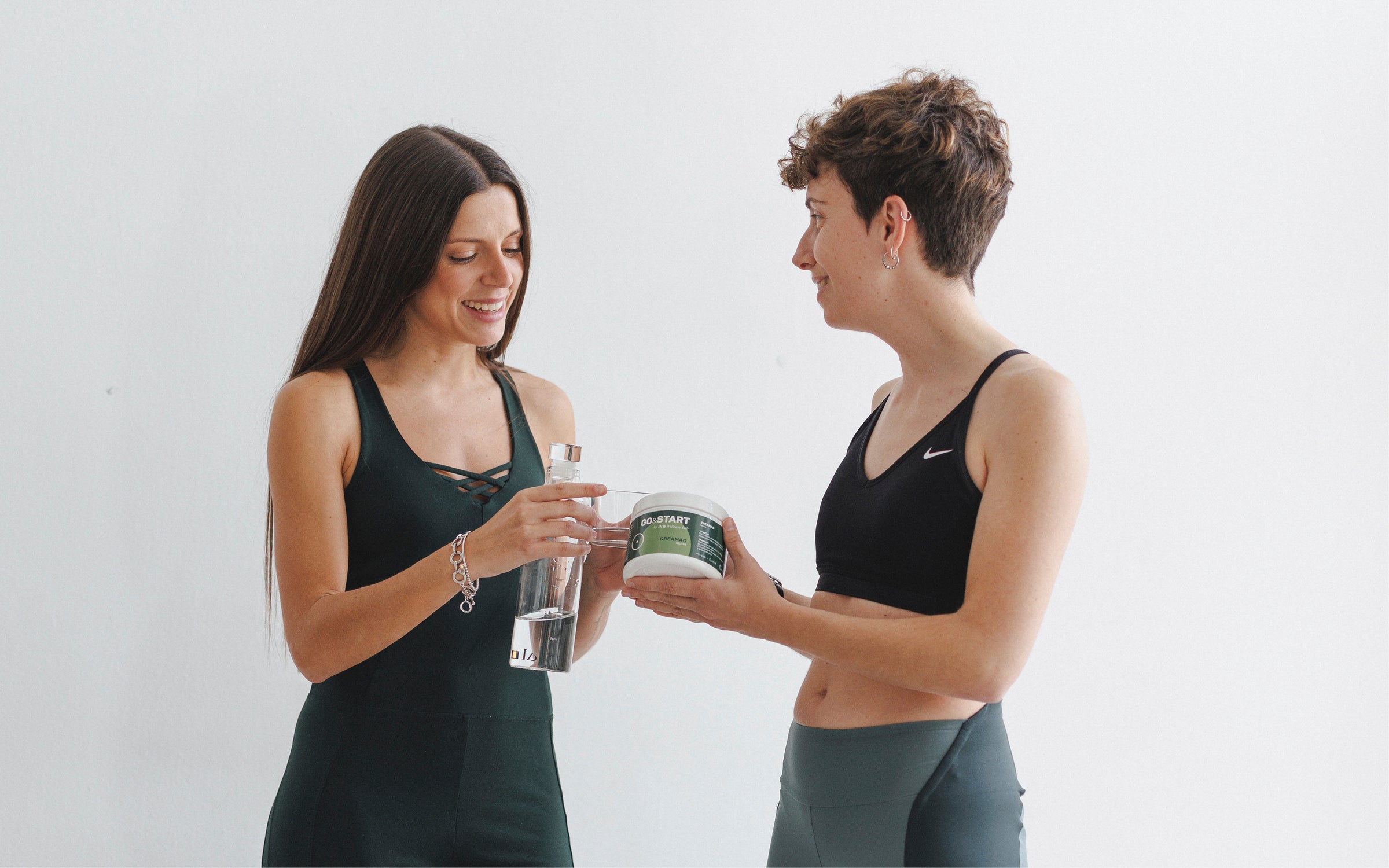
Our CreaMag, composed of magnesium and creatine, contains a perfect combination to address the recovery needs of all those who want to improve their physical performance. It uses ultra-filtered, high-quality Creavitalis creatine monohydrate.
As you've read, it's not only an ideal supplement for providing energy and optimizing physical performance, but also for our brain health. There are studies showing it seems to be associated with a lower risk of depression, better neuron function, and preventing cognitive decline.
Does creatine cause bloating or weight gain?
Incorrect. There is no association between creatine and increased appetite or body fat.
The only thing that happens is that it attracts water into muscle cells, which improves cellular hydration and nutrient delivery. This water retention is positive!
This intake can only cause an increase on the scale (half a kilo during the first few weeks), but we repeat: it's not due to fat, but water.
Furthermore, this intracellular retention is not the same as the retention that occurs when we eat out, for example at Asian restaurants that use huge amounts of sodium. That extracellular retention is what we do perceive and what makes us feel heavy and bloated.
Therefore, creatine does NOT cause weight gain. It may result in weighing a bit more, but because it improves muscle synthesis and therefore body composition. Remember that muscle always weighs more than fat.

So what is the real problem?
The imbalance between sodium and potassium in our daily diet. What causes "bloating" is poor management of our electrolytes. If we ingest a lot of sodium, we will absorb creatine faster, and this will cause water to accumulate outside the cells, under the skin, which will give that feeling of heaviness.

How to solve it?
- Review your diet and reduce foods with high salt content.
- Increase potassium: avocado, leafy greens, sweet potato.
- Drink water
It's not about stopping creatine, but about adjusting everything else around it.
If you want to know more information, we recommend these two episodes from the podcast of the Medical-Scientist Isabel Viña, “Tus Amigas las Hormonas” (Your Hormone Friends). In them, she explains whether it's advisable to take breaks, whether children or pregnant women can take it, or what the ideal time and amount to take it is, among many other questions.
Click here to listen to them:
EP 52. Creatine: The Supplement You Should Know About.
EP 65. Creatina: Answers to the Most Common Questions.
Read more
-

Desequilibrio hormonal: síntomas, causas y cómo recuperar el equilibrio hormonal
El desequilibrio hormonal puede afectar a la energía, el sueño, el estado de ánimo o el ciclo menstrual, tanto en mujeres como en hombres. Descubre cuáles son sus síntomas más frecuentes, qué factores pueden provocarlo y cómo mejorar la salud hormonal a través de la alimentación, el descanso y los hábitos de vida. -

Omega-3: real benefits, sources and how to choose according to goals (EPA, DHA and ALA)
Understand omega-3 with a clear, evidence-based guide: what it is and how it works in our bodies. We review its role in cardiovascular and mental health, brain function, pregnancy, and male fertility. We include dietary sources and practical criteria for prioritizing EPA or DHA based on your goals, and we guide you in choosing a quality supplement: chemical form, purity, protection against oxidation, and certifications. -

How to sleep well: habits to improve your rest and your health
Sleeping well is one of the basic pillars of health, and the quality of our rest can be improved with simple and sustainable habits over time. Overnight, The body carries out reparative processes: the brain consolidates memories and clears toxins; the body regenerates tissues, synthesizes hormones such as growth hormone, and regulates the immune system. In metabolism, it balances signals such as leptin and ghrelin and modulates cortisol. -

Isabel Viña Bas: The Challenge of Supplements
Dr. Isabel Viña Bas talks about her passion for medicine, the complex development of her supplements, and how curiosity is key to understanding and optimizing our health. -
Adaptogens: your vitamins against stress.
How to be more resilient with the support of food supplements. -
Types of Magnesium: Benefits of Magnesium Bisglycinate and Malate
Find out what the different types of magnesium are and how they can help you. -
Basic Guide to Dietary Supplements and Vitamins
Discover the essential dietary supplements to start taking care of your health. Our basic guide to supplements will help you understand which vitamins and minerals are key for a healthy lifestyle. -
Benefits and properties of Magnesium
Discover the incredible benefits of magnesium for your health. Learn about the best magnesium supplements and how this essential mineral improves your muscles, takes care of your heart and ensures your rest -

Is it good to take vitamins? Find out if you need vitamin supplements
Learn how to determine if you need to take vitamin supplements to improve your health and quality of life. We'll help you answer your questions. -

Is it necessary to stop taking vitamin D in the summer? Myths and truths about this nutrient
In this article, we explain its myths and truths and why it is not necessary to stop your supplementation during the months of greatest sun exposure.


