





Basic Guide to Dietary Supplements and Vitamins
Which supplements to take to start taking care of yourself
Before starting, remember that dietary supplements are meant to accompany and complement a healthy lifestyle, not replace it. And we are not just talking about a balanced diet: rest, physical exercise, hydration, and your environment also make your life happier and healthier. Vitamin supplements may or may not be necessary depending on your goals, characteristics, and needs.
While generalizing is complicated, especially when talking about health, we can make a general and basic recommendation to serve as a guide to start optimizing your health thanks to vitamin supplements.
Dietary supplements, vitamins, and minerals you shouldn't be without
Magnesium
Magnesium is a mineral involved in hundreds of metabolic and hormonal reactions. It is necessary for proper muscle contraction, to control blood pressure, and for proper physical performance. It is also key for absorbing, transporting, and activating vitamin D.
There are many types of magnesium supplements on the market and it can be confusing to know which one to choose. Primarily, you need to ensure the supplement is highly bioavailable and does not cause gastrointestinal discomfort, such as magnesium malate and magnesium bisglycinate.

Vitamin B12
Vitamin B12 is necessary for people who do not eat meat or fish regularly. A deficiency in this vitamin can lead to memory loss, mood swings, paresthesia (numbness and tingling sensations), leg and/or hand cramps, and/or anemia.

Omega 3
Omega 3 is key for its role in resolving chronic inflammation, for reducing the risk of cognitive decline, for supporting neurodevelopment in children, and even being able to reduce the loss of muscle mass associated with age or injury. Furthermore, its association with vitamin D has been shown to be capable of reducing the onset of autoimmune diseases.
Omega 3 is a type of fatty acid that we cannot produce ourselves; we must consume it through food. You can find Omega 3 especially in oily fish, but it is difficult to cover the 0.3 - 0.5g of omega our body needs through diet alone, which is why supplementation is essential.

Vitamin D
Vitamin D is key at normal levels to maintain bones in normal condition, the proper functioning of muscles and the immune system, and overall health.
It is fundamental and almost mandatory to supplement this hormone-vitamin, as it is known that more than 60-75% of Spaniards have an insufficiency or even a deficiency (even more serious) of vitamin D. And not just elderly people, but also young people. Vitamin D absorption is not present in food; we absorb it through the sun. However, this is insufficient even in summer.
The most current evidence supports the combined use of vitamin K2 with vitamin D3 for cardioprotective effects, as it prevents calcium from depositing in the arteries instead of the bones.

Vitamin C
Vitamin C is an antioxidant with numerous extra functions: it contributes to collagen production, the regeneration of Vitamin E, and iron absorption.

Coenzyme Q10
Last but not least, Coenzyme Q10 is a fundamental pseudovitamin involved in cellular respiration and energy production in each and every cell of your body. The organs that consume the most CoQ10 are the most metabolically active: brain, heart, and muscles.

Start your vitamin supplement
routine. This can be the starting point if you are considering beginning supplementation. Now you know which vitamins and minerals your body needs to perform all its functions in the best way. Supplementation is becoming increasingly necessary: because it is not enough to reach optimal nutrient levels through diet, no matter how healthy it is, but also due to external factors like pollution or even stress.

It is becoming increasingly necessary to incorporate a care routine from within, and knowing why and what for you are doing it is of vital importance. If you want to refine your selection of vitamin supplements, read the questions asked by Dr. Isabel Viña before recommending any treatment and create your own routine. Read the following article.
Read more
-

Desequilibrio hormonal: síntomas, causas y cómo recuperar el equilibrio hormonal
El desequilibrio hormonal puede afectar a la energía, el sueño, el estado de ánimo o el ciclo menstrual, tanto en mujeres como en hombres. Descubre cuáles son sus síntomas más frecuentes, qué factores pueden provocarlo y cómo mejorar la salud hormonal a través de la alimentación, el descanso y los hábitos de vida. -

Omega-3: real benefits, sources and how to choose according to goals (EPA, DHA and ALA)
Understand omega-3 with a clear, evidence-based guide: what it is and how it works in our bodies. We review its role in cardiovascular and mental health, brain function, pregnancy, and male fertility. We include dietary sources and practical criteria for prioritizing EPA or DHA based on your goals, and we guide you in choosing a quality supplement: chemical form, purity, protection against oxidation, and certifications. -

How to sleep well: habits to improve your rest and your health
Sleeping well is one of the basic pillars of health, and the quality of our rest can be improved with simple and sustainable habits over time. Overnight, The body carries out reparative processes: the brain consolidates memories and clears toxins; the body regenerates tissues, synthesizes hormones such as growth hormone, and regulates the immune system. In metabolism, it balances signals such as leptin and ghrelin and modulates cortisol. -

Does creatine cause bloating or weight gain?
Learn why creatine doesn't cause bloating or weight gain and discover its multiple benefits -

Isabel Viña Bas: The Challenge of Supplements
Dr. Isabel Viña Bas talks about her passion for medicine, the complex development of her supplements, and how curiosity is key to understanding and optimizing our health. -
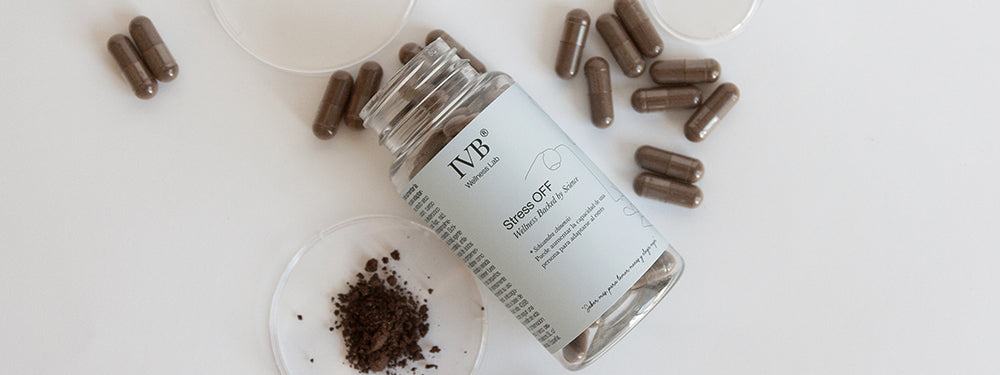
Adaptogens: your vitamins against stress.
How to be more resilient with the support of food supplements. -
Types of Magnesium: Benefits of Magnesium Bisglycinate and Malate
Find out what the different types of magnesium are and how they can help you. -

Benefits and properties of Magnesium
Discover the incredible benefits of magnesium for your health. Learn about the best magnesium supplements and how this essential mineral improves your muscles, takes care of your heart and ensures your rest -

Is it good to take vitamins? Find out if you need vitamin supplements
Learn how to determine if you need to take vitamin supplements to improve your health and quality of life. We'll help you answer your questions. -

Is it necessary to stop taking vitamin D in the summer? Myths and truths about this nutrient
In this article, we explain its myths and truths and why it is not necessary to stop your supplementation during the months of greatest sun exposure.


