


For
- Muscle function
- Restorative rest
- +2
Total Magnesium
Nutritional supplement to improve the synthesis of glutathione (our greatest antioxidant) in our body.

Best sellers
A to Z · 36 products
Ships in 24h/48h
Your cart is empty.
 Total Magnesium 60 Pills
Total Magnesium 180 Pills
 FertiUp Pineapple
 FertiUp Kiwi
 Vegan Omega 3+ 30 Capsules
Vegan Omega 3+ 90 Capsules
 Vitamin D3+K2 60 Pills
Vitamin D3+K2 90 Pills
 CircuDrenFormula designed to promote the feeling of light legs and support fluid balance
 Metabolic-Max and SatiSens PackIt helps you manage hunger emotionally and metabolically, reducing appetite while promoting glucose balance, cholesterol, and liver health.
 FemmeBalance 60 Pills
 FemmeBalance 180 Pills
 Metabolic-MaxSupport for maintaining glucose, cholesterol, and liver protection
 Flavored Sticks Cocoa
Flavored Sticks Vanilla
Flavored Sticks Cinnamon
Flavored Sticks White chocolate-strawberry
 Vegan Protein100% plant-based protein for your daily intake. Proteins contribute to the maintenance and growth of muscle mass and to the maintenance of bones under normal conditions.
 Milk ProteinPure, high-quality protein, key to your daily nutrition, maintaining muscle mass and bone health
 CREATINE EssentialImprove your physical performance in high-intensity exercises.

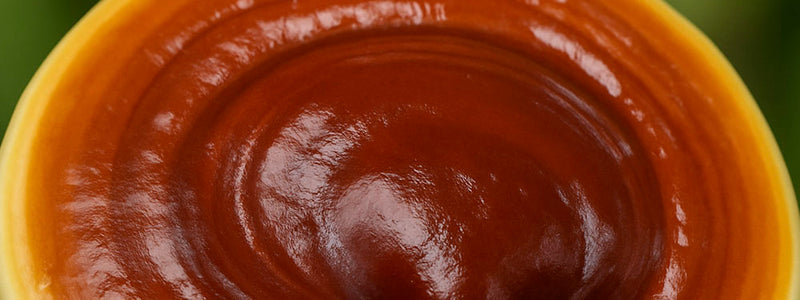
 One of the most widely used mushrooms in Asian tradition
 Its most studied compounds are triterpenes and beta-glucans
Search IVB Wellness Lab
Recent searches
Shop by goal
Best sellers
Nutritional supplement to improve the synthesis of glutathione (our greatest antioxidant) in our body.

Formula specifically designed to maximize female fertility

General health, of plant origin
