





Skin spots? Discover how oral photoprotection can truly help you
It's time to spend more time in the sun… and yes, we know how pleasant it is—it means being on vacation!—but that increased exposure to ultraviolet rays also mean a higher amount of free radicals acting on our skin.
Even if we use creams or opt for oral sun protection, it is difficult to completely avoid the negative impact of solar radiation, especially UV-A1. Due to its high capacity to penetrate the deepest layers of the skin, damages the DNA of our cells and structural proteins such as collagen or elastin, in addition to inducing skin inflammation.
What causes this?
With significant redness, dark spots, and cellular aging that is gradually increasing.
Radiation activates the skin's cellular inflammatory pathways, like the NF-κB (Nuclear Factor kappa-light-chain-enhancer of activated B cells ), a protein complex that is activated in response to various stimuli such as oxidative stress, bacterial and viral infections, or ultraviolet radiation. This not only increases many inflammatory molecules (which causes us to turn red), but also activates enzymes that destroy supporting tissue, promoting the appearance of sagging, dehydration, and a reduction in collagen production.
To all this is added the destruction of skin lipids, a defect that leads to the loss of its barrier function, the one that helps us achieve stronger skin against external aggressors, such as urban environmental pollution.
Furthermore, this DNA damage also affects the cell cycle of the keratinocytes, the primary cells of the epidermis. They are responsible for protecting the skin against external aggressors such as the sun or pollution and preventing water loss or dehydration of the dermis. In cases of sun damage or oxidative stress, these keratinocytes they become hyperactive, thicken, and lead to rougher, duller, or leathery skin.
How can oral sun protection help? Does it actually work?
The answer is a resounding yes: of course it works. That being said, it is important to make it very clear that supplementing with oral photoprotectors
The cream blocks some of that solar radiation, but not all of it (even if it is SPF 50+).
Supplements work to reduce oxidative damage, neutralizing free radicals, reducing the inflammation and helping to preserve the collagen, firmness and elasticity. This damage activates proteins called metalloproteinases, responsible for breaking down collagen and causing the skin to become less plump, less radiant, and more saggy.
Which supplements work?
-
Vitamin E (alpha-tocopherol)
-
Neutralizes free radicals, regenerates vitamin C, and protects cell membranes.
-
It has significant benefits for the liver, muscles, and metabolism.
-
Pycnogenol (French maritime pine bark extract)
-
A very potent antioxidant that stimulates the synthesis of collagen, elastin, and hyaluronic acid.
-
Regenerates vitamins C and E, inhibits collagen-destroying enzymes, and improves dark spots due to its ferulic acid content, which provides a depigmenting effect.
-
Coenzyme Q10
-
Enhances cellular energy, mitochondrial function, muscle and cognitive performance, while also protecting against oxidative sun damage.
-
Hydroxytyrosol (olive fruit extract)
-
A powerful antioxidant that can reduce post-sun inflammation and erythema (skin redness). Additionally, it boosts the production of glutathione, one of the most potent antioxidants naturally produced by our bodies.
What about the food?
To enhance that protection, consume beta-carotenes such as carrots, sweet potatoes, tomatoes, mangoes, or peaches can help create a protective film against the sun. Additionally, they are also precursors to vitamin A.
However, it is advisable not to overdo it, as it can turn the skin orange.
Of course, to avoid and prevent sagging caused by sun damage, you must not only follow a diet rich in protective pigments, You should also avoid tobacco and alcohol, as they accelerate collagen degradation.
How can Anti-OX Global help you?
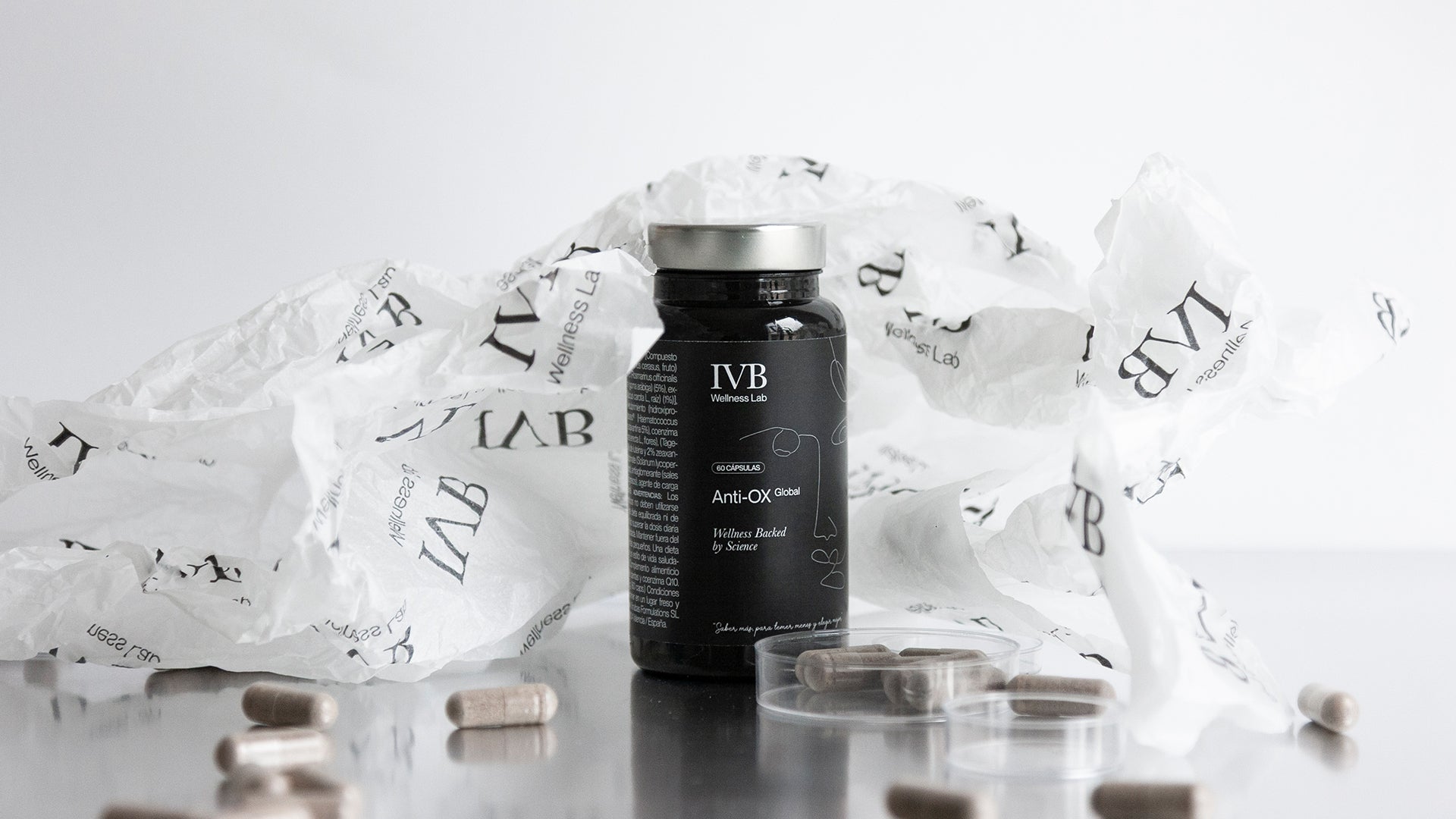
Anti-OX Global is a dietary supplement that combines several types of carefully selected micronutrients with antioxidant and cell-protecting properties to help you protect cells from oxidative damage and maintain daily cellular balance.
Thanks to a synergy of ingredients such as Astabead astaxanthin, lycopene, LuteMax lutein, and CoQ10, these compounds with oral photoprotection capabilities act as an additional measure to traditional sun protection.

Additionally, they act as an internal protective shield, defending DNA, proteins, and lipid membranes, while also mitigating radiation-induced inflammation. It's as if they provide an extra layer of protection to minimize sun damage to the skin.
Who is it specifically recommended for?
While anyone can benefit from its use, Anti-OX Global is especially recommended for:
-
Skin prone to dark spots, including melasma.
-
People who work outdoors or with constant sun exposure.
-
People with low phototypes (fair skin).
-
Skin with visible signs of aging or those looking to prevent them.
Read more
-

Vitamin C and Collagen for Skin: How They Work Together
Vitamin C plays an essential role in the synthesis of collagen, a key protein for maintaining the skin's firmness, elasticity, and strength. In addition to participating in the formation of new collagen fibers, it helps protect the skin against oxidative stress associated with sun exposure, pollution, and aging. -

Omega-3 for Skin: What It Does and How It Can Help
Omega-3 plays an interesting role in skin health thanks to its relationship with barrier function, hydration, and the regulation of the inflammatory response. Some studies suggest potential benefits for dry skin, atopic dermatitis, and other inflammatory skin conditions. -

Collagen: The structural protein and its role in skin and joints
Discover what collagen is, its types (1, 2 and 3), benefits for skin and joints, which form is best absorbed, recommended dosage and safety. -

The importance of caring for your skin from the inside
Discover how to protect cells from oxidative damage and premature aging -

What is Omega 3 used for? Discover its benefits for skin, heart, and muscles
Discover all the benefits of taking Vegan Omega 3+ every day


