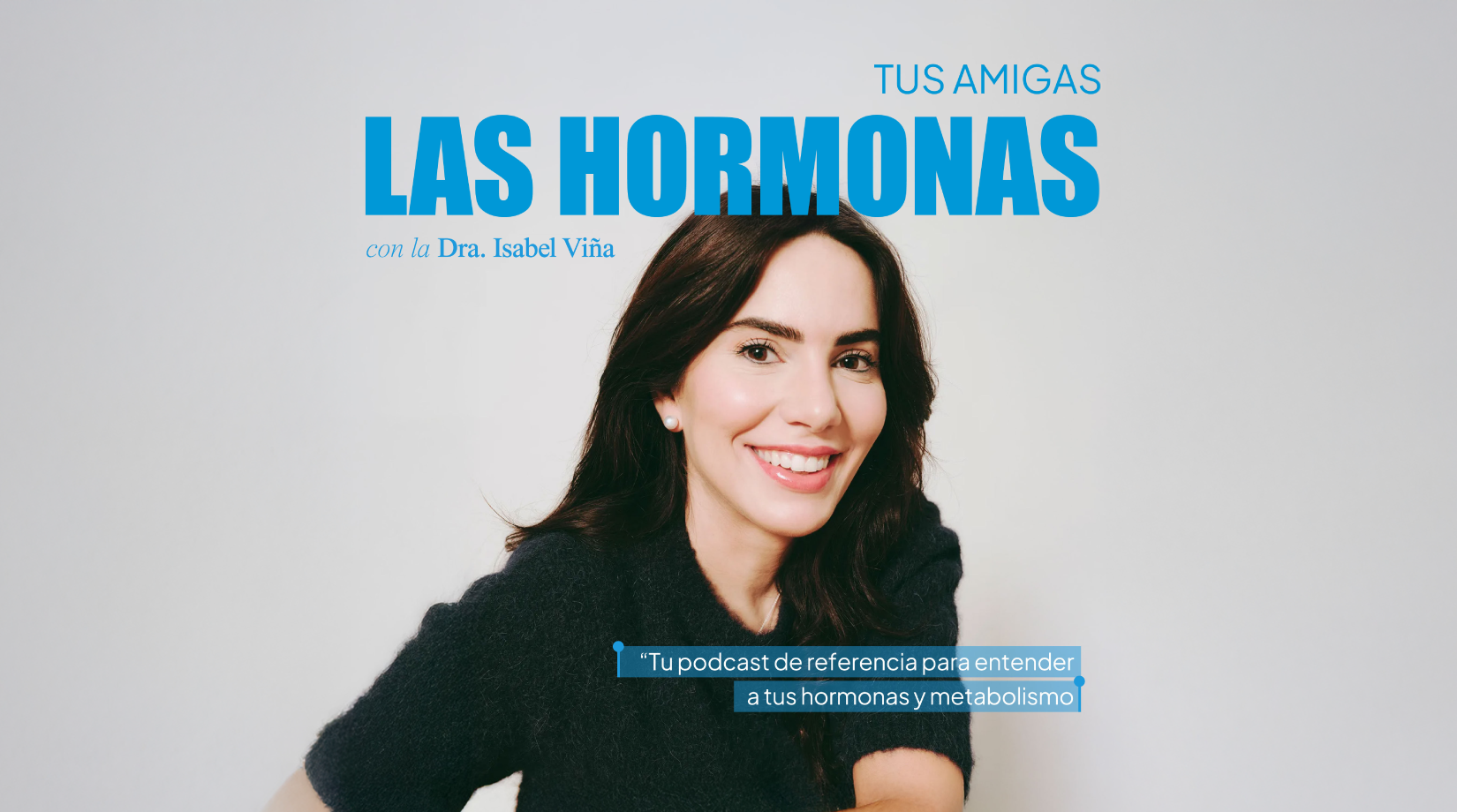
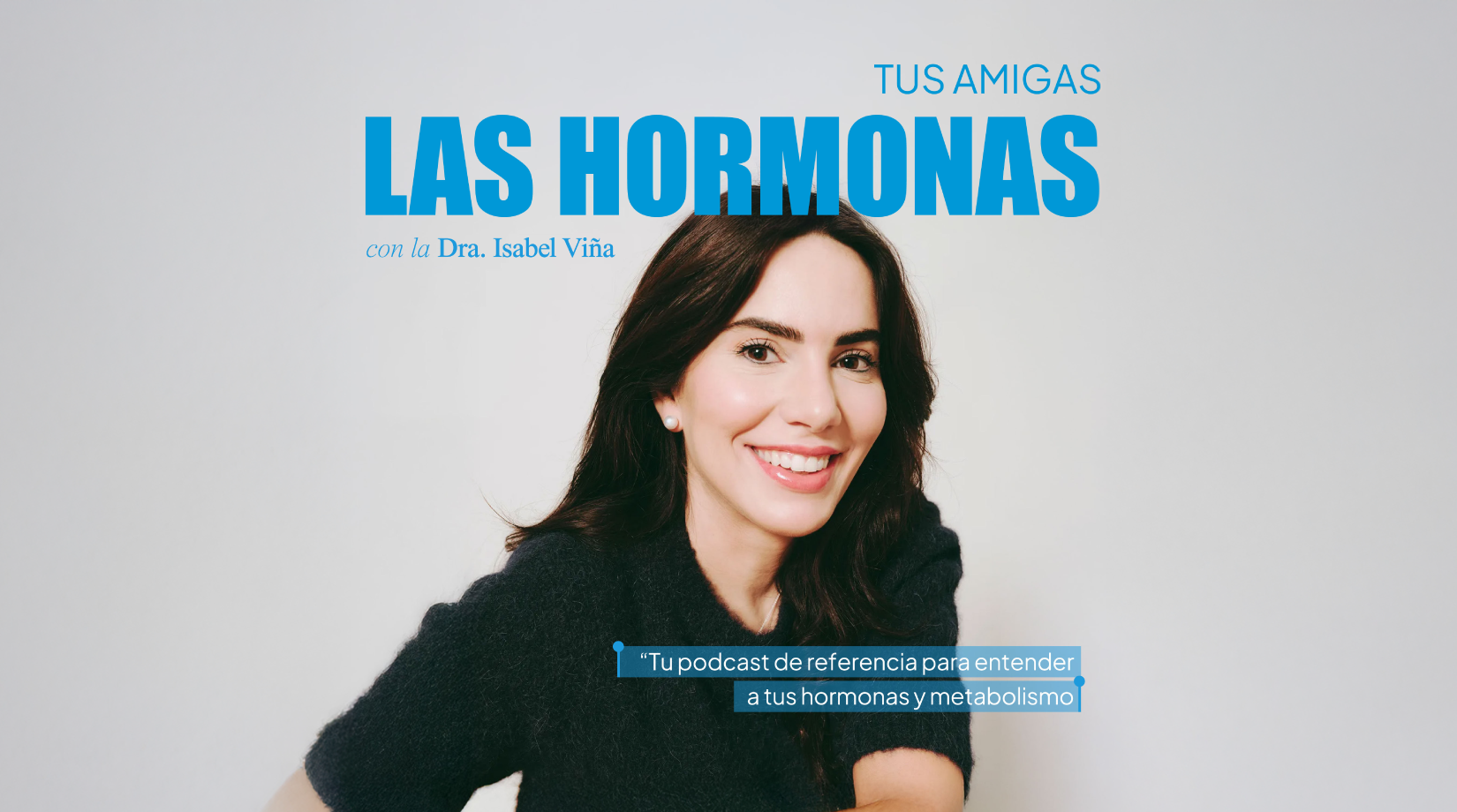
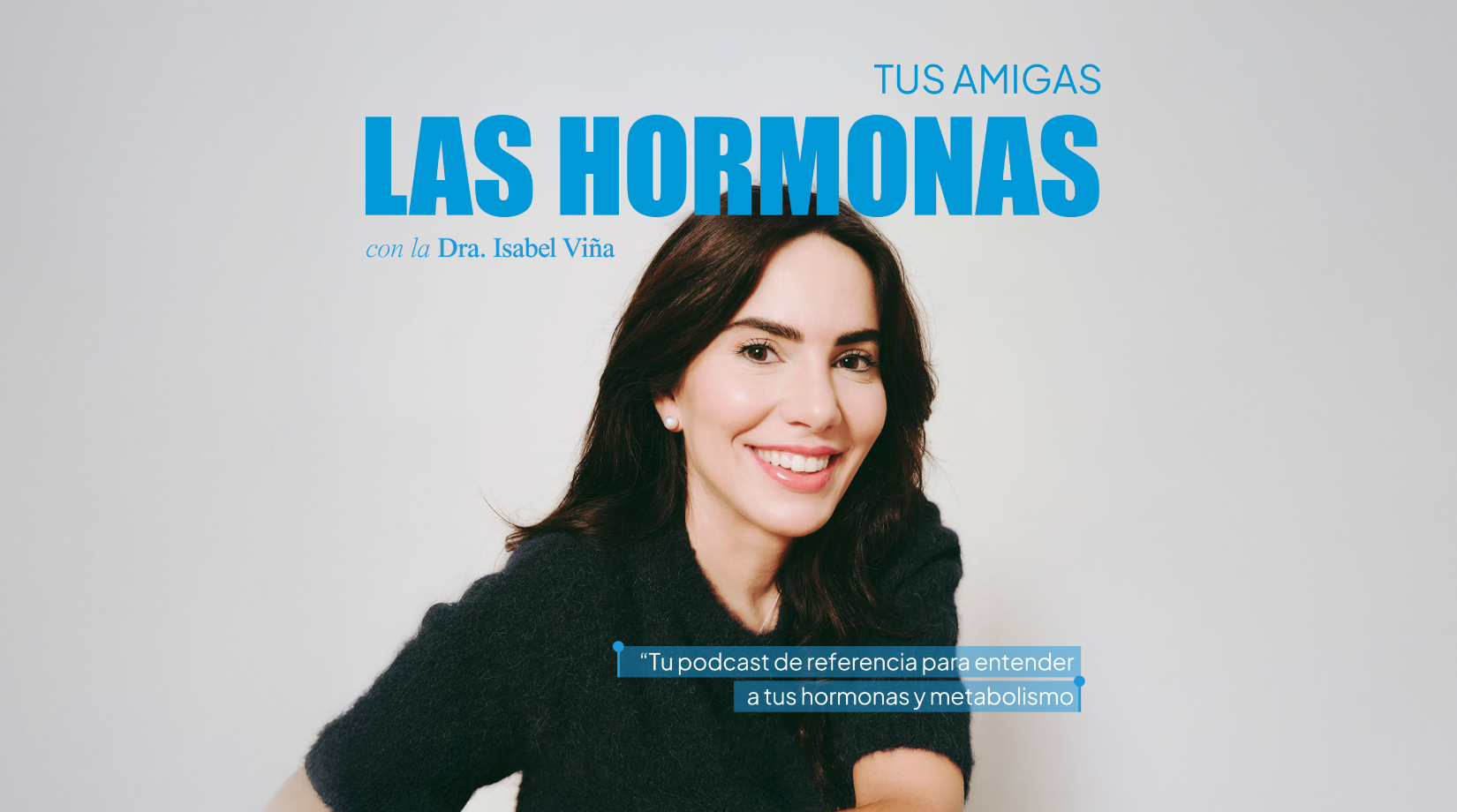
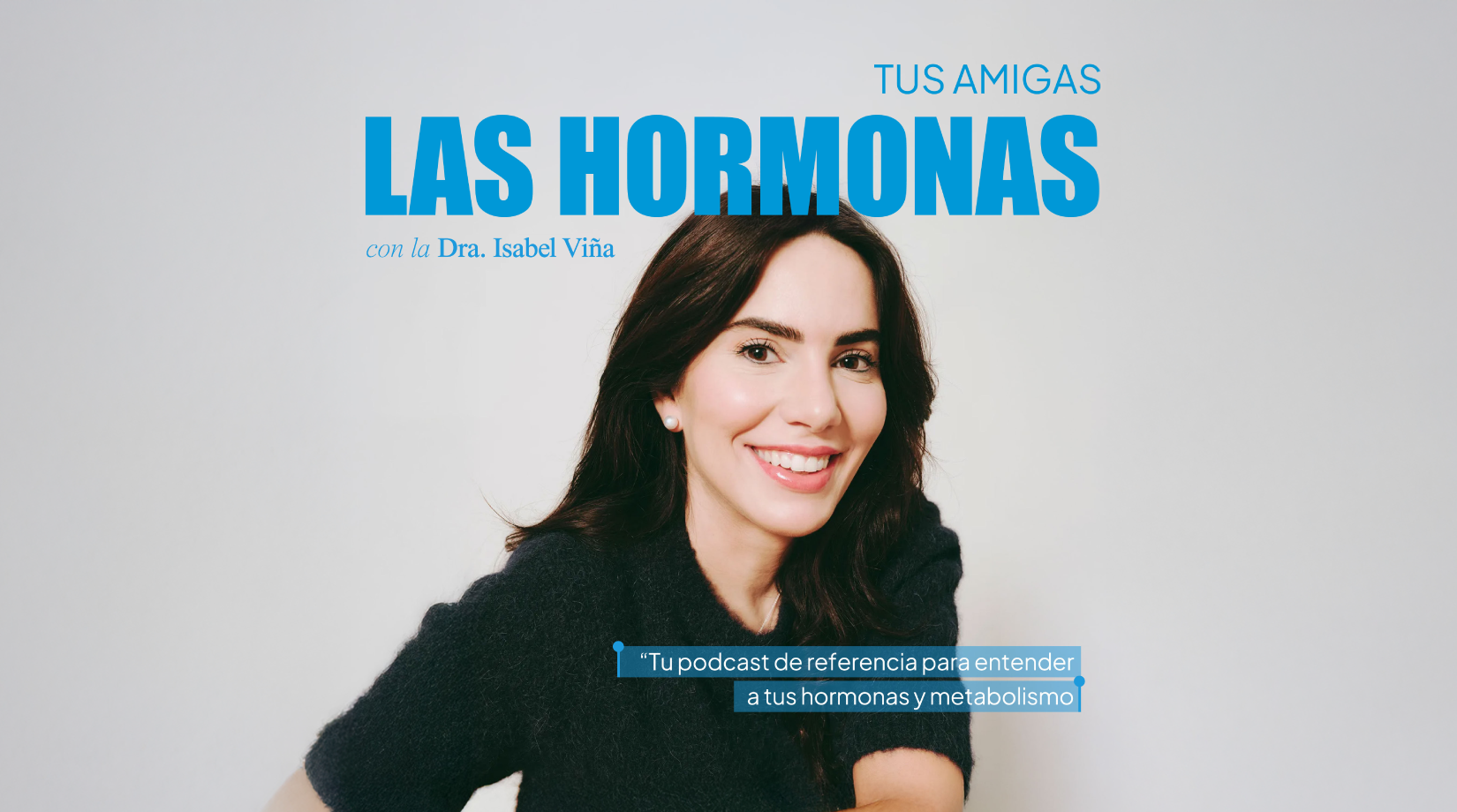
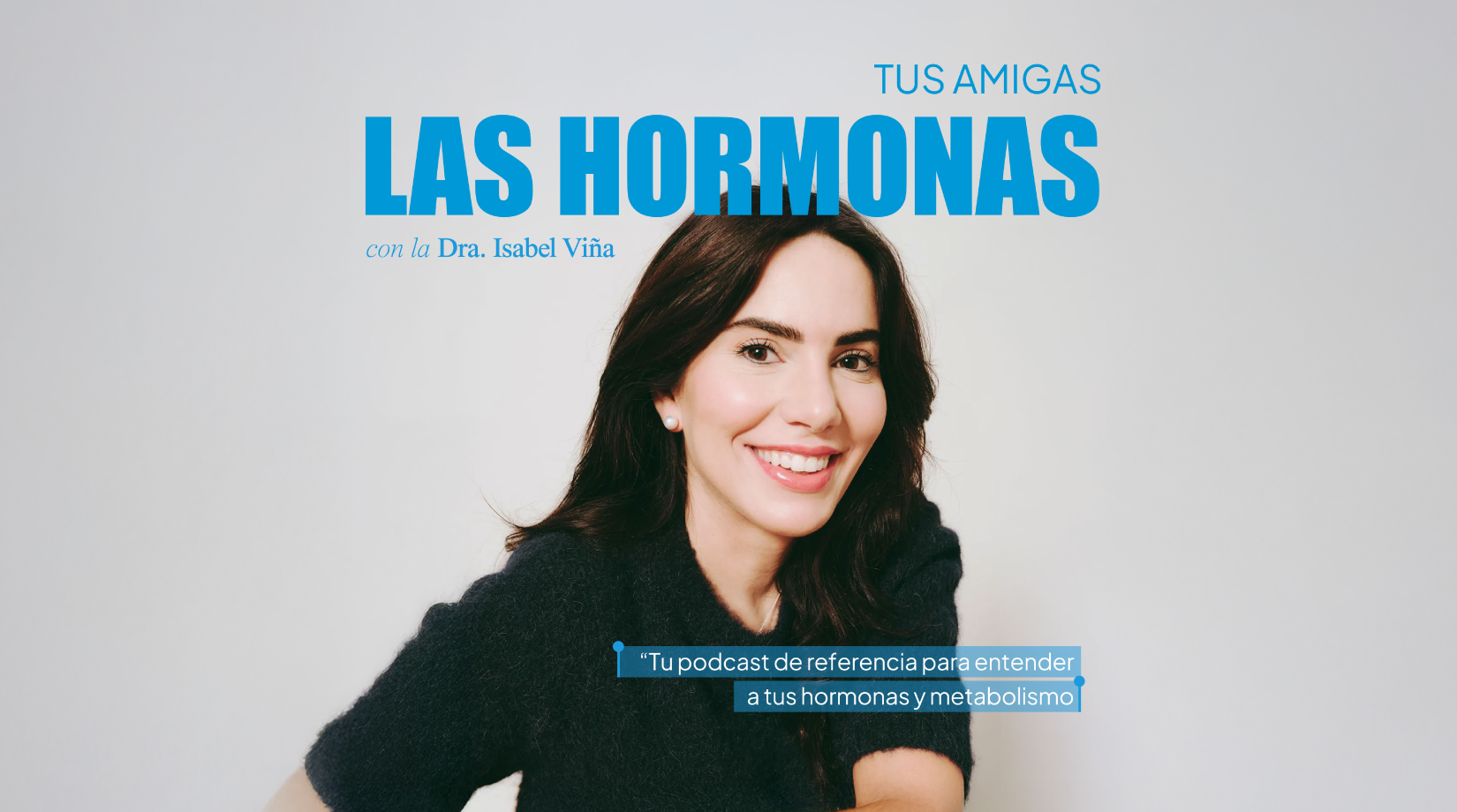
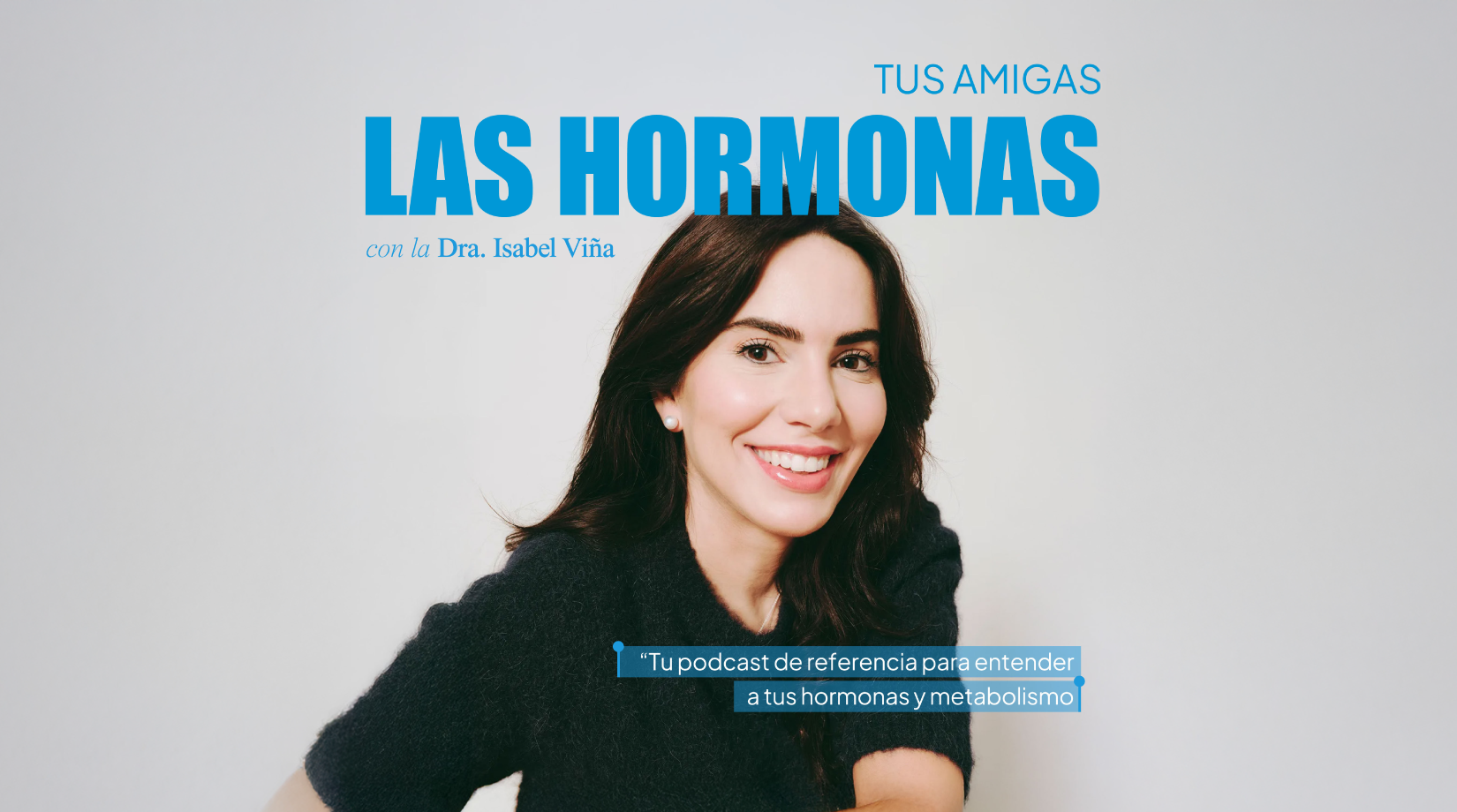
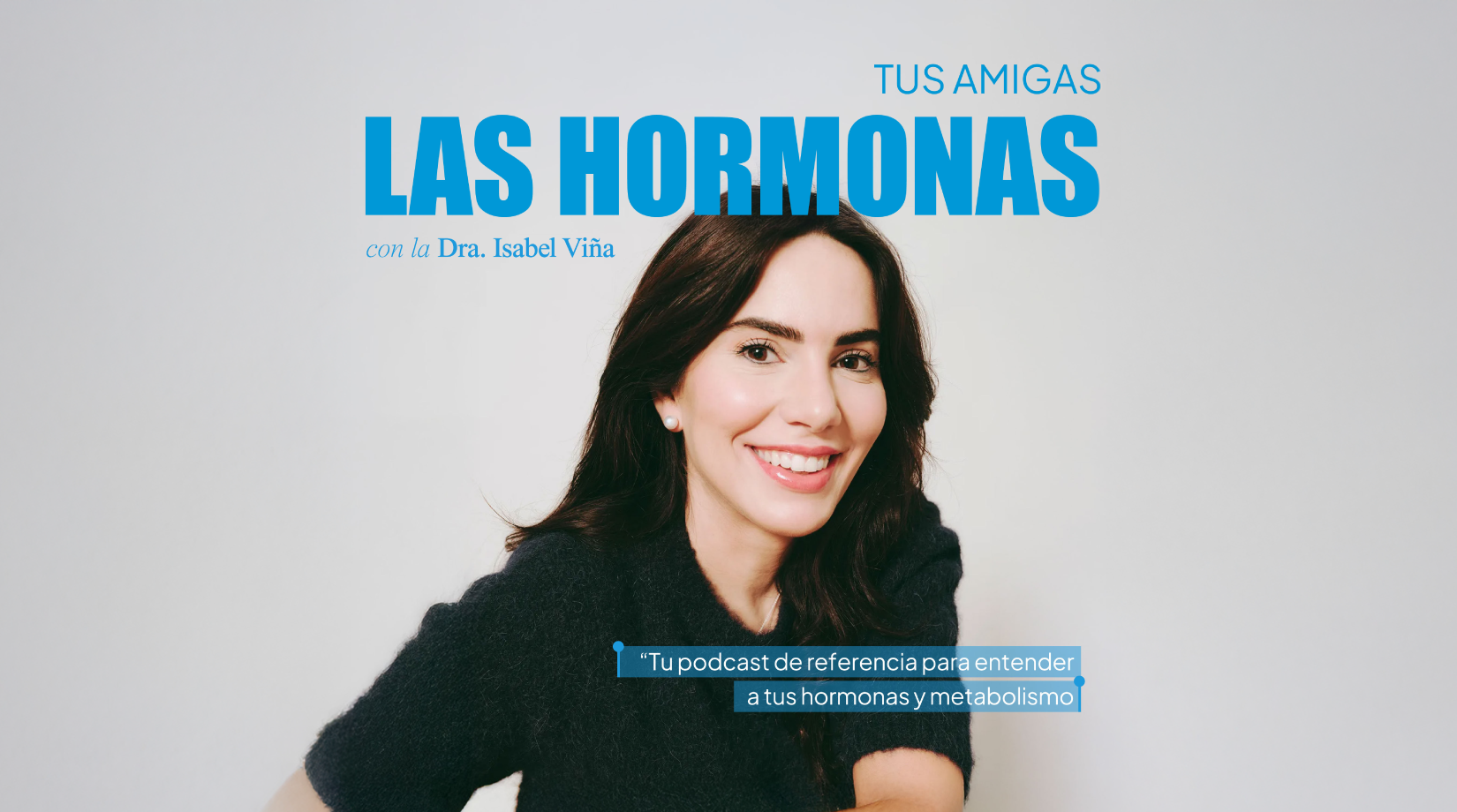
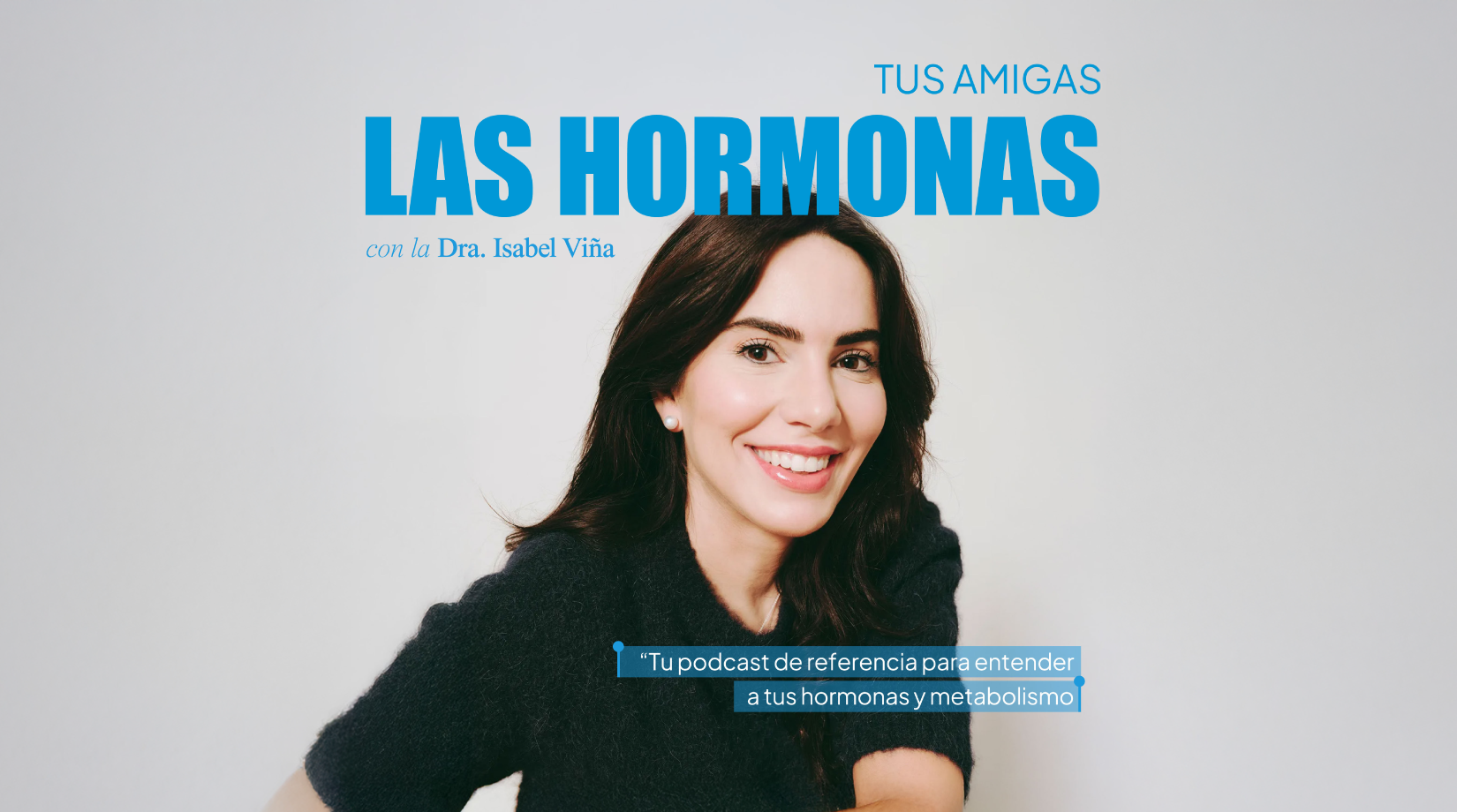
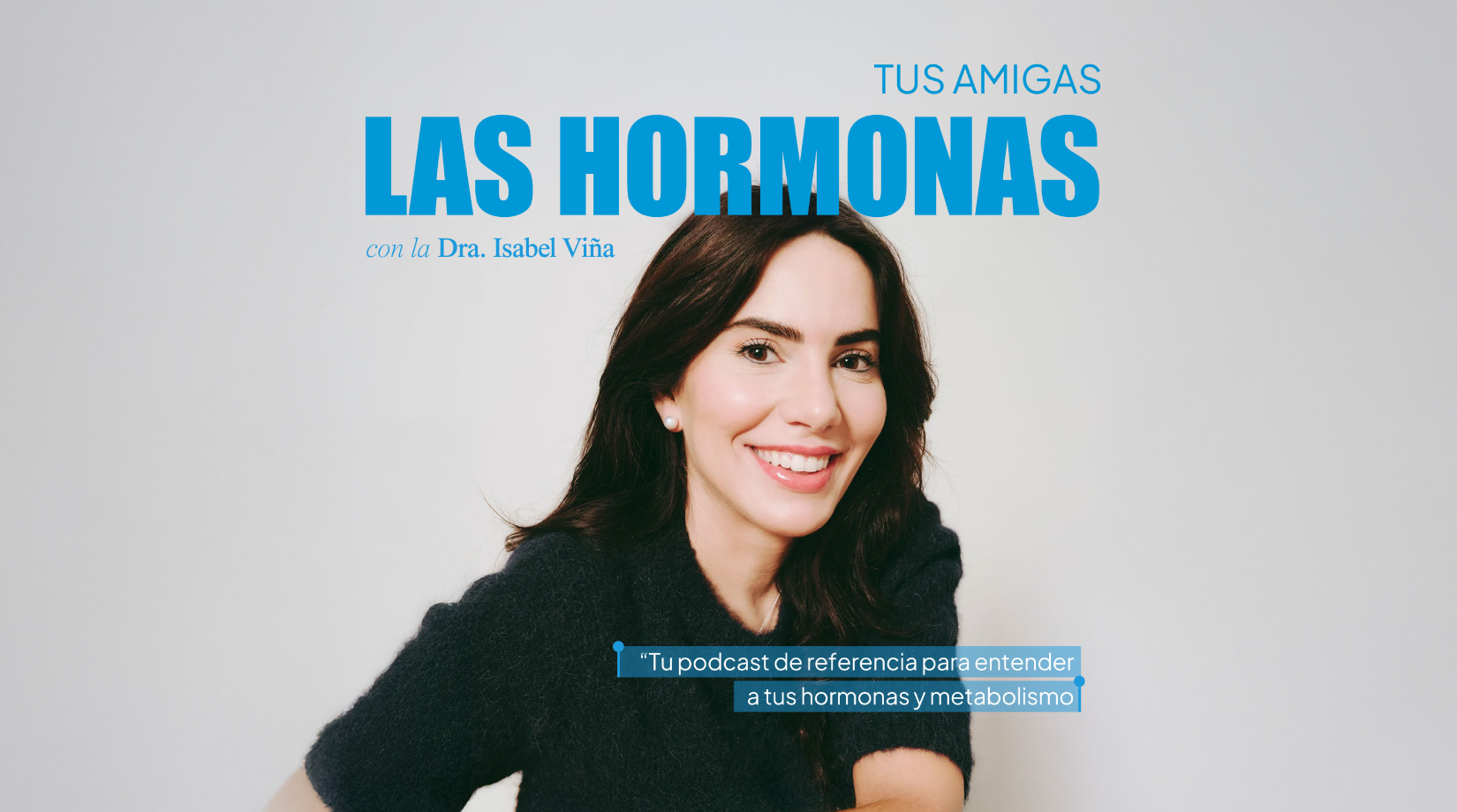
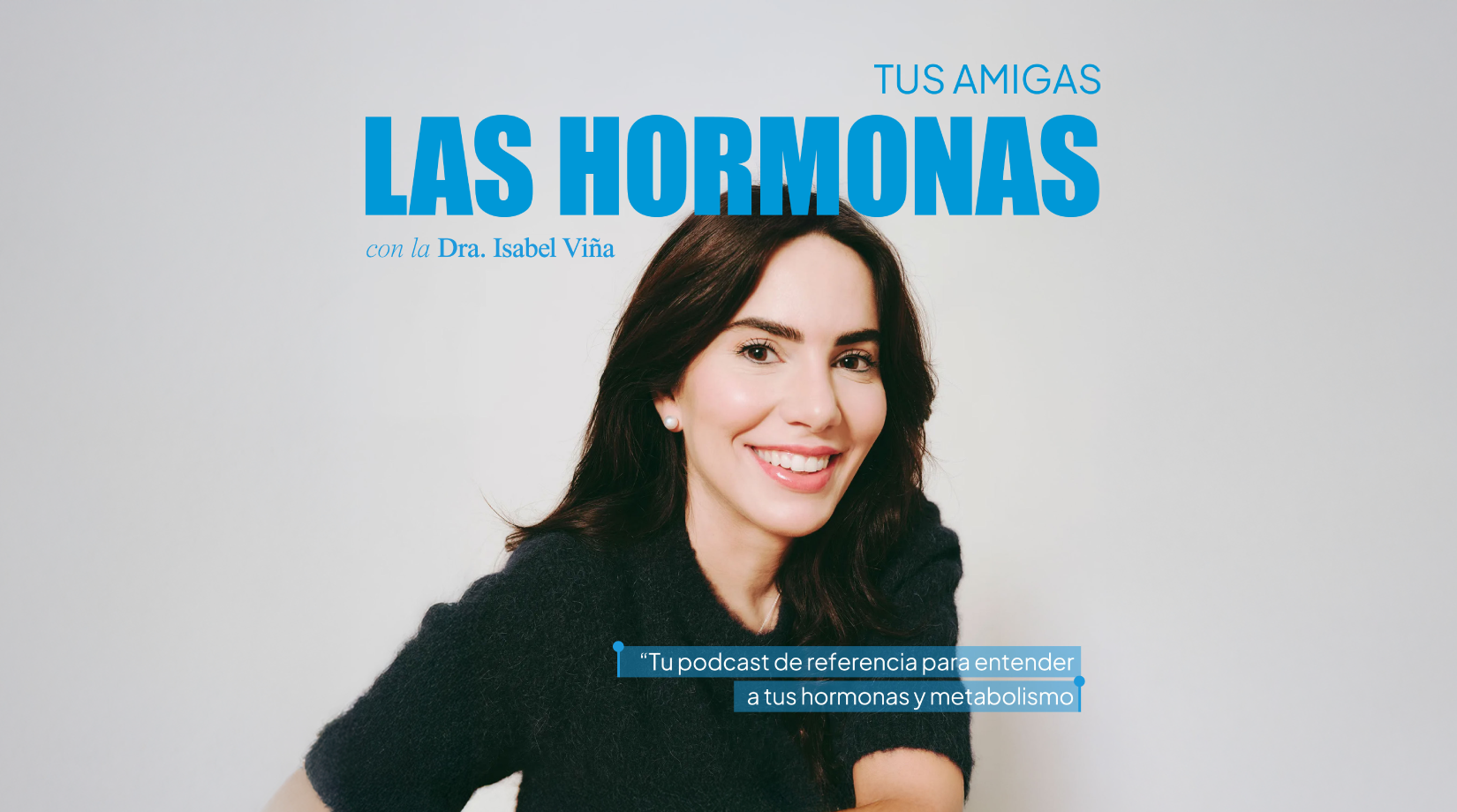
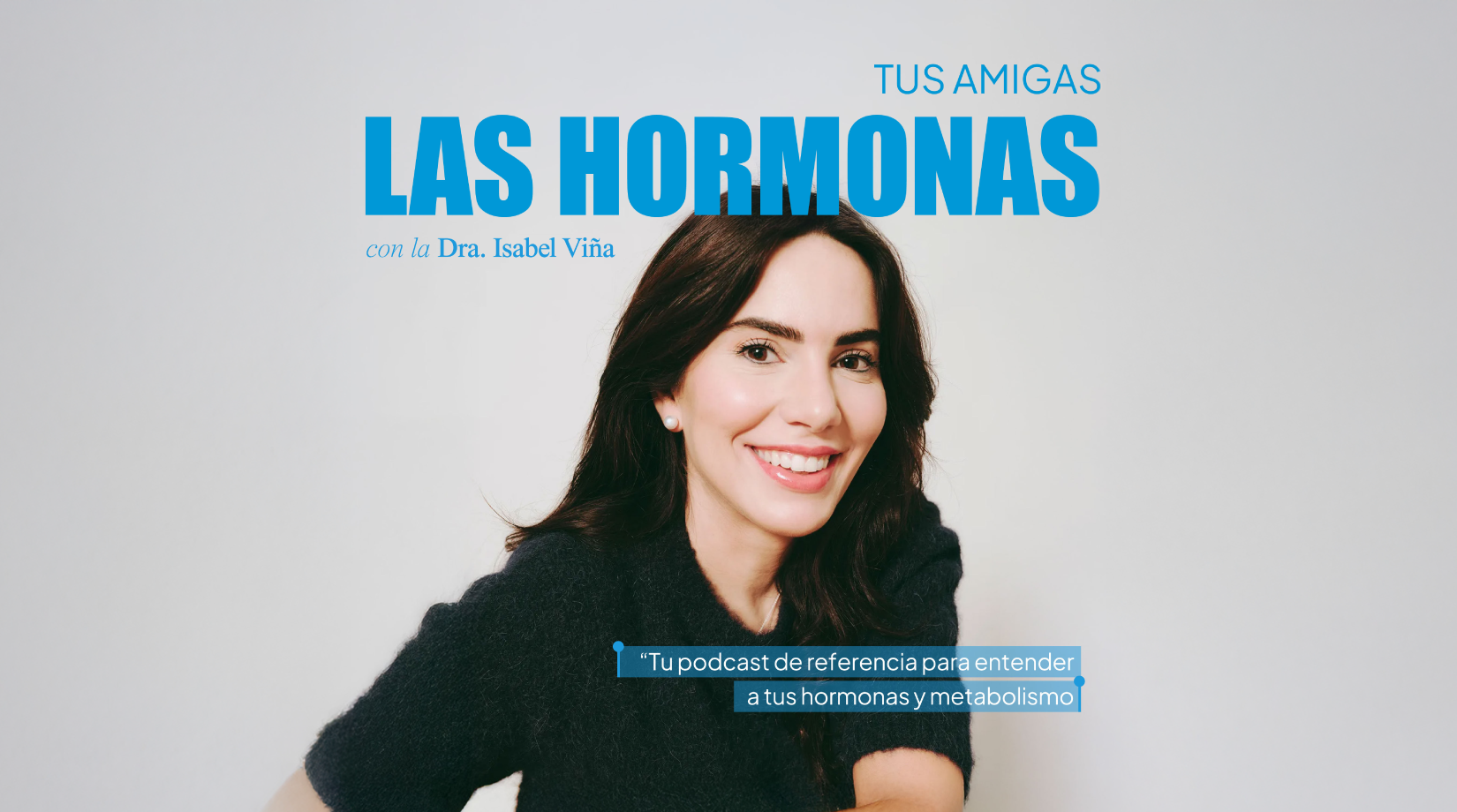
Tus amigas las hormonas

The podcast of Dr. Isabel Viña Bas, physician and medical-scientific director of IVB Wellness Lab. In this space, Dr. Viña shares everything essential about hormones, metabolism, nutrition, and supplementation in an approachable and clear manner. Her purpose is to help you understand how your body works and provide you with science-based tools so you can make better decisions about your health. Here you will find practical explanations and the key to making your hormones your allies.

Statistics

No. 2
Most Listened to Health and Fitness Section in Spain
+ 80 k
Oyentes mensuales
+ 100
Episodes
EP 134. GLP-1 y nutrición: proteínas, fibra y vitaminas que no pueden faltar.

EP 134. GLP-1 y nutrición: proteínas, fibra y vitaminas que no pueden faltar.

Los tratamientos con agonistas GLP-1 han supuesto un antes y un después en el manejo de la obesidad. Pero, como ocurre con cualquier herramienta terapéutica, no todo consiste en perder peso y, aunque estos fármacos ofrecen muy buenos resultados, también conllevan una gran responsabilidad: evitar perder salud metabólica por el camino. Porque, ¿qué pasa con el músculo? ¿Por qué es tan importante asegurar un adecuado consumo de proteínas? ¿Qué papel juega la fibra cuando comemos menos? ¿Y qué micronutrientes conviene vigilar, como el hierro, la vitamina B12, la vitamina B1, vitamina D o la colina? En este episodio hablamos de la parte del tratamiento de la que menos se habla: cómo conseguir que la pérdida de peso sea, además, una pérdida de grasa… y no de salud. Porque adelgazar no debería significar perder fuerza, funcionalidad ni aumentar el riesgo de déficits nutricionales. Si tú o alguien cercano está siguiendo un tratamiento con un agonista GLP-1, creo que este episodio puede ayudaros a entender cómo acompañarlo desde la fisiología y la evidencia científica para obtener los mejores resultados. Y si, además, quieres profundizar en otros aspectos relacionados con estos tratamientos, te recomiendo escuchar también los episodios 77 y 111, donde encontrarás información complementaria que te ayudará a entender mejor su funcionamiento, sus beneficios y cómo utilizarlos de la forma más segura y eficaz posible. Como siempre digo: saber más para temer menos y elegir mejor.

All Episodes

EP 74. Retención de Líquidos: Cómo Mejorarla.

EP 74. Fluid Retention: How to Improve It.

¡Hola! En el podcast de hoy os explico:Qué es la retención de liquidos a la que nos referimos cuando decimos que estamos " hinchados"Por qué el agua intar celular no tiene nada que ver con la extracelular y por tanto no influye en la retención de liquidos visibleCuáles son las causas mas frecuentes de retención de liquidos: dieteticas y hormonales.Qué alimentos son los mas beneficiosos en cuánto a ayudarnos a eliminar el exceso de liquidosCompuestos herbáceos que nos pueden ayudar con la retención de liquidosOjala os guste :) Para mas información ya sabéis que me tenéis en mi instagram @isabelvina dónde te comparto contenido diario En mi canal de YouTube https://www.youtube.com/channel/UC-dfdxLBcvfztBvRAKZSXGQY los suplementos formulados por mi https://ivbwellness.comPara mas información ya sabéis que me tenéis en mi instagram @isabelvina dónde te comparto contenido diario Mi TikTok @isabelvinabasEn mi canal de YouTube Canal YoutubeY los suplementos formulados por mi en mi web Mi web
EP 73. Omega 3 y Salud Cardiovascular.

EP 73. Omega 3 and Cardiovascular Health.

Hello!In today's episode, I'm breaking down a study that caused quite a stir in the media at the beginning of 2024: "Chen G, Qian ZM, Zhang J, et al. Regular use of fish oil supplements and course of cardiovascular diseases: prospective cohort study. BMJ Med. 2024;3(1)"In the video, I'll break down what the study aimed to answer, its limitations, and the not-entirely-accurate interpretations made in numerous press articles about its conclusions.Among other useful studies on omega 3 that can help corroborate everything I'm telling you in the episode and put into perspective the benefits of omega 3 fatty acids in adequate amounts for cardiovascular health:Li ZH, Zhong WF, Liu S, et al. Associations of habitual fish oil supplementation with cardiovascular outcomes and all cause mortality: evidence from a large population based cohort study. BMJ. 2020;368Manson JE, Cook NR, Lee IM, et al. Marine n-3 Fatty Acids and Prevention of Cardiovascular Disease and Cancer. N Engl J Med. 2019;380(1):23-32.Watanabe T, Ando K, Daidoji H, et al. A randomized controlled trial of eicosapentaenoic acid in patients with coronary heart disease on statins. J Cardiol. 2017;70(6):537-544. Thies F, Garry JM, Yaqoob P, et al. Association of n-3 polyunsaturated fatty acids with stability of atherosclerotic plaques: a randomised controlled trial. Lancet. 2003;361(9356):477-485. doi:10.1016/S0140-6736(03)12468-3I hope it's useful for you.For more information, you know you can find me on my Instagram @isabelvina where I share daily content.On my YouTube channel https://www.youtube.com/channel/UC-dfdxLBcvfztBvRAKZSXGQAnd the supplements formulated by me at https://ivbwellness.com For more information, you know you can find me on my Instagram @isabelvina where I share daily content.My TikTok @isabelvinabasOn my YouTube channel YouTube ChannelAnd the supplements formulated by me on my website My Website
EP 72. Tiroides y Alimentación.

EP 72. Thyroid and Diet.

!Hello! In today's podcast, I'll try to answer the most frequent questions you've asked me on my Instagram @isabelvina about the thyroid and diet:-Do you have to cut out gluten if you have hypothyroidism?-Can you eat broccoli, cauliflower, and other cruciferous vegetables if you have hypothyroidism?-What foods should you avoid if you have HYPERthyroidism?-What foods should you eat if you have Hypothyroidism?I hope you like it :)For more information, you know you can find me on my Instagram @isabelvina where I share daily content On my YouTube channel https://www.youtube.com/channel/UC-dfdxLBcvfztBvRAKZSXGQAnd the supplements formulated by me https://ivbwellness.comFor more information, you know you can find me on my Instagram @isabelvina where I share daily content My TikTok @isabelvinabasOn my YouTube channel YouTube ChannelAnd the supplements formulated by me on my website My website
EP 71. Prolactina: La Hormona Multifacética.

EP 71. Prolactin: The Multifaceted Hormone.

High Prolactin: The Hormone That Can Curb Your Ovulation, Libido, and Hormonal Balance Hello, I am Dr. Isabel Viña Bas, a physician and Scientific Director of IVB Wellness Lab. In my practice, there is one hormone that almost everyone reduces to a single function: producing milk during breastfeeding.That hormone is prolactin. Prolactin is much more than just the milk hormone. Much more. If it remains elevated outside of pregnancy and breastfeeding, it can curb ovulation. Furthermore, it can reduce libido, alter testosterone, weaken bones, and worsen metabolic control.High prolactin affects many systems at once. And there is more. A second, equally important idea: having high prolactin in a blood test does not always mean there is a disease. It can be a real elevation, a passing effect of stress, or even the consequence of a medication; or perhaps a laboratory mirage called macroprolactinemia.Before treating a number, you have to understand where it comes from. What is prolactin and why does dopamine keep it in check? Prolactin is a huge peptide hormone, formed by between 190 and 199 amino acids. It was discovered in 1970, quite a while ago; but for years it was confused with growth hormone. Why, you might ask? Both share a very similar structure and come from the same embryonic cells.In the blood, its levels should almost always remain below 20 micrograms per liter. Unlike many other hormones, prolactin does not need the brain to stimulate it constantly. In fact, the exact opposite happens: the body must keep it inhibited most of the time.The one in charge of doing this is dopamine. I like to imagine dopamine as the handbrake of a car. Prolactin is ready to start, but dopamine keeps the brake on. If that signal drops due to stress, certain drugs, or an illness, said brake loosens andprolactin rises.Furthermore, it is not released continuously: it has about nine pulses throughout the day, which are more intense during the night hours. There are only two situations in which we need an elevation that is both sustained and physiological: during pregnancy and breastfeeding. With pregnancy, your body's estrogens and progesterone develop the breasts, but they temporarily block the action of prolactin. Then, after childbirth, both plummet andleave the way clear for prolactin so it can activate milk production. High prolactin and fertility: why the body slows down reproduction When prolactin rises outside of that context, the body interprets that it is not a good time to reproduce. It is a survival mechanism: if there is stress, illness, or high energy demand, the organism prioritizes staying safe and parks functions it considers secondary.This is where high prolactin begins to interfere withfertility. Elevated prolactin also inhibits GnRH, the master hormone produced in the hypothalamus. By lowering GnRH, the pituitary gland releases less FSH and, above all, less LH. In us women, without the LH surge, ovulation does not occur properly.This can shorten the luteal phase, space out periods, make them disappear for months, or make trying to conceive difficult. In men, on the other hand, that drop in LH causes the testicles to generate less testosterone. The result can be an intense drop in libido, erectile dysfunction, and less facial hair growth.I have patients who go from shaving daily to doing it twice a week: a detail that may seem small, but is sometimes the first hormonal clue. Symptoms of high prolactin beyond the period Menstrualdisturbancesand difficulty ovulating are the best-known signs, buthyperprolactinemia does not stop at the reproductive system.One of its most striking manifestations is galactorrhea: the leakage of milk from the nipple outside of pregnancy and breastfeeding. It can appear in women and men, because both have breast tissue. It also affects the bone. By lowering estrogens and testosterone,high prolactin weakens cortical boneand, if it persists, it favors the loss of bone mass and osteoporosis. And yes: men also need a small amount of estrogen to have strong bones. Metabolically, prolactin favors a certain insulin resistance. During breastfeeding, it makes sense because it helps reserve glucose to produce milk. Outside of that context, it can worsen blood sugar control.In some women, acne and hair loss also appear, because as ovarian hormones drop, adrenal androgens gain relative weight. Prolactin also stimulates the immune system. When it remains elevated, it can worsen autoimmune diseases such as lupus, multiple sclerosis, rheumatoid arthritis, or autoimmune hypothyroidism.That is why you should never read this hormone in isolation: it is part of a network. Why does prolactin rise? Stress, drugs, thyroid, and PCOS Stress is one of the causes that generates the most confusion. A specific upset, intense training, or even sexual intercourse can raise prolactin for a few hours, and that is not pathological.The problem arrives with chronic stress: dopamine remains low and high prolactin can become installed. Many medications act through the same pathway. Antipsychotics, some antidepressants, metoclopramide for nausea, verapamil, opioids, alprazolam, or certain contraceptives with estrogens can raise it because they reduce or block the dopamine signal.Alcohol and marijuana also have an influence. This does not mean you should stop a treatment on your own. If prolactin has risen after starting a medication, you must review it with the person who prescribed it and assess whether there is an alternative, a dose adjustment, or if the benefit of the drug compensates for that effect.Never stop anything without talking to your doctor first. There are also diseases that should be ruled out. Inpolycystic ovary syndrome, excess testosterone can be converted into estradiol and curb dopamine. In untreated hypothyroidism, the brain releases more TRH to try to wake up the thyroid, and that same TRH stimulates prolactin. Chronic kidney disease can prevent it from being eliminated properly and, in other cases, the origin is in a pituitary adenoma, such as a prolactinoma, or in a lesion that compresses the pituitary stalk.Each cause completely changes the approach. Macroprolactin: when the blood test scares you but the hormone does not act Here is one of the keys to the episode. More than 25% of the prolactin elevations we see in a blood test can correspond tomacroprolactinemia.It is not really active prolactin, but several prolactin molecules stuck to an IgG antibody, forming a huge complex. The laboratory machine sees that complex and counts it as if there were a lot of prolactin circulating. But because it is so large, it can barely act on the tissues.That is why there are people with very high values on paper who do not have menstrual disturbances, galactorrhea, or loss of libido. Treating that number without first checking for macroprolactinwould be like setting off the fire alarm because the detector confused water vapor with smoke. The number is scary, but it is the context that says if there is a real fire. How to measure prolactin well so as not to treat a false positive Prolactin is very, very sensitive to the time and the way the blood is drawn. The simple fear of the needle could trigger this hormone. In the podcast episode, I tell the case of a patient of mine who went from 20 to 147 micrograms per liter just from the stress of an operation.That is why, for me, these measurement rules must be non-negotiable: Choose the day of the cycle well.In women, the extraction is done in the first five days of the cycle, ideally on day 2 or 3, to reduce the influence of estrogens. Respect the schedule and rest.The blood test must be done while fasting, between 8:00 and 10:00, after at least ten minutes of sitting quietly. Avoid what raises it.During the 48 hours prior, no intense exercise or sexual intercourse, because they falsify the result. Ask for the two-sample method.An IV is placed, a first sample is taken, and you wait twenty minutes without being pricked again. The second measurement is much more reliable because the initial shock of the needle has already passed. Request macroprolactin.The laboratory can precipitate with PEG. If more than 40% of the initial prolactin is recovered, the elevation is real. However, if less is recovered, it is most likely that almost everything was macroprolactin. How to lower prolactin: first the cause, then the treatment There is no single treatment forhigh prolactin, because there is no single cause. An elevation due to stress is not approached the same way as hypothyroidism, a medication, or a prolactinoma. The first step is not to chase the number: it is to confirm that it is real and locate the origin. When there is a prolactinoma or another medical indication, the drugs used are cabergoline and bromocriptine. They act on the dopamine pathway andmust always be prescribed and monitored by a doctor, especially if there is a lesion in the pituitary gland. In elevations linked to stress, PCOS, or certain medications, and not to treat tumors, the natural active ingredient with the most interest is Vitex agnus-castus or chasteberry. In the episode, I recommend looking for extracts between 150 and 250 mg, standardized to provide about 1 mg of agnusides, which are the compounds that act on dopamine regulation.It is the same active ingredient we work with for femalehormonal balance. At IVB, we incorporate it intoFemmeBalance, ourfood supplementfor supporting female hormonal balance. It can fit when the cause of the elevation is compatible with that mechanism, but it does not replace a well-done blood test, endocrinological assessment, or the treatment of a prolactinoma. In hormones, more than in almost anything else, order matters. What to do if your blood test shows high prolactin? The first thing is not to panic over an isolated figure. Repeat the blood test with the correct protocol and ask for macroprolactin. Then, review the medication you take with your doctor and assess frequent causes such as hypothyroidism, PCOS, or a kidney problem.If the elevation is confirmed, is persistent, or is accompanied by symptoms, the pituitary gland will have to be studied and the treatment decided. And remember the exception: in pregnancy and breastfeeding, high prolactin fulfills a physiological and necessary function. Outside of those stages, ask yourself two questions before "how do I lower it": why has it risen and how do you know the measurement is real.That difference avoids both ignoring an important signal and treating something that was never altered. Transforming your health is a matter of applying science with order and consistency, day by day.You have in your hands the knowledge to better interpret your hormones, ask the right questions, and choose the next step with less fear. Author:Dr. Isabel Viña Bas  I hope you like it :)For more information, you know you can find me on my Instagram @isabelvina where I share daily content My TikTok @isabelvinabasOn my YouTube channelYouTube ChannelAnd the supplements formulated by me on my websiteMy website
EP 70. Síndrome Metabólico: Como identificarlo y combatirlo.

EP 70. Metabolic Syndrome: How to Identify and Combat It.

Hello!!In today's podcast, I'll explain everything related to metabolic syndromeHere's a brief summary:To diagnose it, you must meet 3 or more of the following criteria: - Excess abdominal fat: waist circumference > 80 cm in women and 94 cm in men - Fasting glucose greater than or equal to 100 mg/dL (or under specific treatment for it) Triglycerides greater than 150mg/dL (or under specific treatment) HDL cholesterol Regarding one of the components of metabolic syndrome: insulin resistance, it is calculated with the following formula: INSULIN RESISTANCE HOMA INDEX = [Fasting glucose (mg/dL) x fasting insulin] / 405 If this HOMA value is > 2-2.5, it indicates that your cells are resistant to insulin Tips to improve and prevent metabolic syndrome: Build muscle mass through exercise Increase fiber intake Supplements that improve all components of metabolic syndrome. My supplement MetabolicMax, which is on my website https://ivbwellness.com, contains the key compounds to optimize the components of metabolic syndrome. But if for any reason you don't want it, I'll tell you what to look for in the podcast ☝🏽 For more information, you know you can find me on my Instagram @isabelvina where I share daily content On my YouTube channel https://www.youtube.com/channel/UC-dfdxLBcvfztBvRAKZSXGQAnd the supplements formulated by me https://ivbwellness.comFor more information, you know you can find me on my Instagram @isabelvina where I share daily content My TikTok @isabelvinabasOn my YouTube channel YouTube ChannelAnd the supplements formulated by me on my website My Website
EP 69. Soja y Salud: Mitos y Verdades.

EP 69. Soy and Health: Myths and Truths.

Hello! In today's episode, I'm going to talk to you about soy, a very versatile food with a great impact on health. Throughout the episode, I'll tell you about the types of foods we can get from soy, such as soy milk, miso, textured protein, natto, tempeh, among others, and I'll explain the differences between them. We will also touch on important topics such as the quality of soy protein, whether it can help gain muscle mass similarly to animal protein, and how it influences aspects such as testosterone, fertility, and breast cancer. We will also look at the benefits of soy for those suffering from high cholesterol, gout, and the positive effects it can have during menopause. All this and more in today's episode, so let's get to it! And I hope you like it.For more information, you know you can find me on my Instagram @isabelvina where I share daily content. On my YouTube channel https://www.youtube.com/channel/UC-dfdxLBcvfztBvRAKZSXGQAnd the supplements formulated by me at https://ivbwellness.comFor more information, you know you can find me on my Instagram @isabelvina where I share daily content. My TikTok @isabelvinabasOn my YouTube channel YouTube ChannelAnd the supplements formulated by me on my website My website
EP 68. Vitamina B12: Funciones, Fuentes y Suplementación.

EP 68. Vitamin B12: Functions, Sources, and Supplementation.

!Hello! In today's podcast, you'll learn all about vitamin B12, an essential vitamin for our bodies that plays a crucial role in DNA and RNA synthesis, as well as in fatty acid metabolism. We'll explore the four main forms of vitamin B12: methylcobalamin and 5-deoxyadenosylcobalamin, which are the active forms in our bodies, and cyanocobalamin and hydroxocobalamin, which are commonly found in supplements. I'll also tell you how B12 helps convert homocysteine into methionine, which is fundamental for the production of S-adenosylmethionine (SAMe), a key molecule for carnitine, dopamine, and melatonin synthesis, and for the production of myelin that protects our nerves.I'll talk about the effects of B12 deficiency on our neurological and hematological health, and how certain medications and conditions can affect its absorption. Additionally, I'll explain why it's important to measure B12 and homocysteine levels in the body to prevent health problems. I hope you like it :) For more information, you know you can find me on my Instagram @isabelvina where I share daily content On my YouTube channel https://www.youtube.com/channel/UC-dfdxLBcvfztBvRAKZSXGQAnd the supplements formulated by me https://ivbwellness.comFor more information, you know you can find me on my Instagram @isabelvina where I share daily content My TikTok @isabelvinabasOn my YouTube channel YouTube ChannelAnd the supplements formulated by me on my website My website
EP 67. Adaptógenos: Tus "Vitaminas" Contra el Estrés.

EP 67. Adaptogens: Your "Vitamins" Against Stress.

Hello!In today's video, I'll explain everything related to supplements to help manage the consequences of chronic stress on our bodies.I'll talk about what adaptogens are,a bit of their history, and how, although they seem "modern" in the Western world, they've been used in Russia for almost a century and in Traditional Chinese Medicine for thousands of years.What are the main differences between reishi, ashwagandha, rhodiola, eleuthero, schisandra... so you know how to choose between them.What are indirect adaptogensAnd other things too!! I hope you like it :)For more information, you know you can find me on my Instagram @isabelvinaOn my YouTube channel Dra Isabel Viñaand on my supplement brand https://ivbwellness.comFor more information, you already know you can find me on my Instagram @isabelvina where I share daily content.My TikTok @isabelvinabasOn my YouTube channel YouTube ChannelAnd the supplements formulated by me on my website My Website
EP 66. Testosterona, Suplementos de NAD y Extremismos en Salud.

EP 66. Testosterone, NAD Supplements, and Health Extremism.

Hola!!En el podcast de hoy os hablo de varios temas importantes1- Por qué la testosterona libre medida por los medios analiticos tradicionales es tremendamente inexacta. Y qué es lo que hay que pedir realmente en los analisis para valorar los niveles de testosterona en hombres y en mujeres.2-Sobre los suplementos de NAD, NMN y NR en el mundo del antienvejecimiento. ¿Son utiles? 3-Reflexion sobre los extremismos en salud que veo actualmente en redes sociales.Espero que os guste y que os haga reflexionar sobre todo la ultima parte del podcast.Para mas información ya sabéis que me tenéis en mi instagram @isabelvina dónde te comparto contenido diario En mi canal de YouTube https://www.youtube.com/channel/UC-dfdxLBcvfztBvRAKZSXGQY los suplementos formulados por mi https://ivbwellness.comPara mas información ya sabéis que me tenéis en mi instagram @isabelvina dónde te comparto contenido diario Mi TikTok @isabelvinabasEn mi canal de YouTube Canal YoutubeY los suplementos formulados por mi en mi web Mi web
EP 65. Creatina: Respuestas a las Preguntas Más Comunes.

EP 65. Creatine: Answers to the Most Common Questions.

Hello!In today's podcast, I'll answer all the questions that arose from episode 52 about creatine from my podcast (I encourage you to listen to it before this one if you haven't already).Among the questions I answer are: Can women take creatine?· "Does creatine affect kidney function? My doctor told me to stop taking it because it raised my creatinine levels."· What is the best creatine?· Does Creatine Break a Fast?· Should I take creatine on an empty stomach?· How to Store Creatine to Extend its Shelf Life· Does creatine cause weight gain?· Are creatine capsules effective?· Can teenagers take creatine?· What happens when you stop taking creatine?· Does creatine cause kidney stones?Can I take it if I have kidney stones?For more information, you know you can find me on my Instagram @isabelvina where I share daily content. On my YouTube channel https://www.youtube.com/channel/UC-dfdxLBcvfztBvRAKZSXGQ And the supplements formulated by me https://ivbwellness.comFor more information, you know you can find me on my Instagram @isabelvina where I share daily content.My TikTok @isabelvinabasOn my YouTube channel YouTube ChannelAnd the supplements formulated by me on my website My Website
EP 64. ¿Por Qué Perdemos Cabello?

EP 64. Why Do We Lose Hair?

On today's podcast, I'll tell you why we can lose hair and what strategies, depending on each cause, we can implement to improve hair loss.Obviously, the best thing to do is to go to a hair professional, such as dermatologists specializing in trichology, for a diagnosis and your ideal treatment, and a pharmacist who can offer extra advice.However, as I'm aware of the limited time available for appointments/waiting lists, I understand that this podcast can help shed some light and allow you to get started on what's within your power to try and optimize this, if you wish : )I'm happy to answer any extra questions you may have : )See you next SaturdayFor more information, you know you can find me on my Instagram @isabelvina where I share daily contentMy TikTok @isabelvinabasOn my YouTube channel YouTube ChannelAnd the supplements formulated by me on my website My website
EP 63. Polifenoles y Otros Antioxidantes: Tu Guía Esencial.

EP 63. Polyphenols and Other Antioxidants: Your Essential Guide.

Hello! In today's episode, I'll tell you in great detail what the famous "polyphenols" are and how this specific subtype of antioxidants is key to our health, from the brain to the skin, including muscles and microbiota. So, in this episode, I'll talk about: Antioxidants in general: What they are and why they are essential for our health. Introduction to polyphenols: I'll explain in detail what they are and how they are classified. Food sources: You'll discover which foods contain the different types of polyphenols. Health benefits: From improving cardiovascular health to offering anti-inflammatory properties, I'll tell you how these compounds can optimize your well-being. Practical applications: How to incorporate more polyphenols into your daily diet to maximize their benefits. I hope you enjoy it and learn a lot!! For more information, you know you can find me on my Instagram @isabelvina where I share daily content On my YouTube channel https://www.youtube.com/channel/UC-dfdxLBcvfztBvRAKZSXGQAnd the supplements formulated by me https://ivbwellness.comFor more information, you know you can find me on my Instagram @isabelvina where I share daily content My TikTok @isabelvinabasOn my YouTube channel YouTube ChannelAnd the supplements formulated by me on my website My website