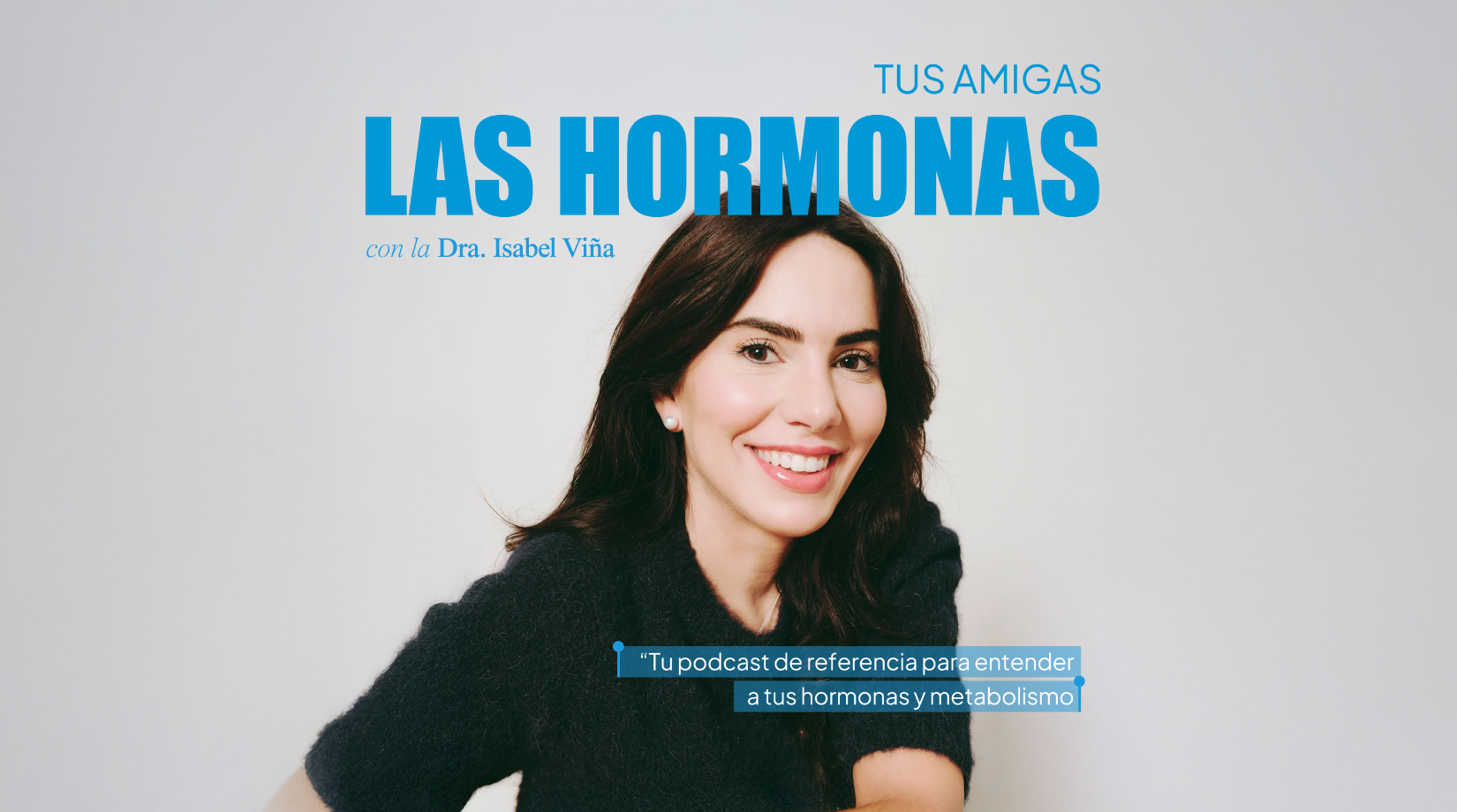
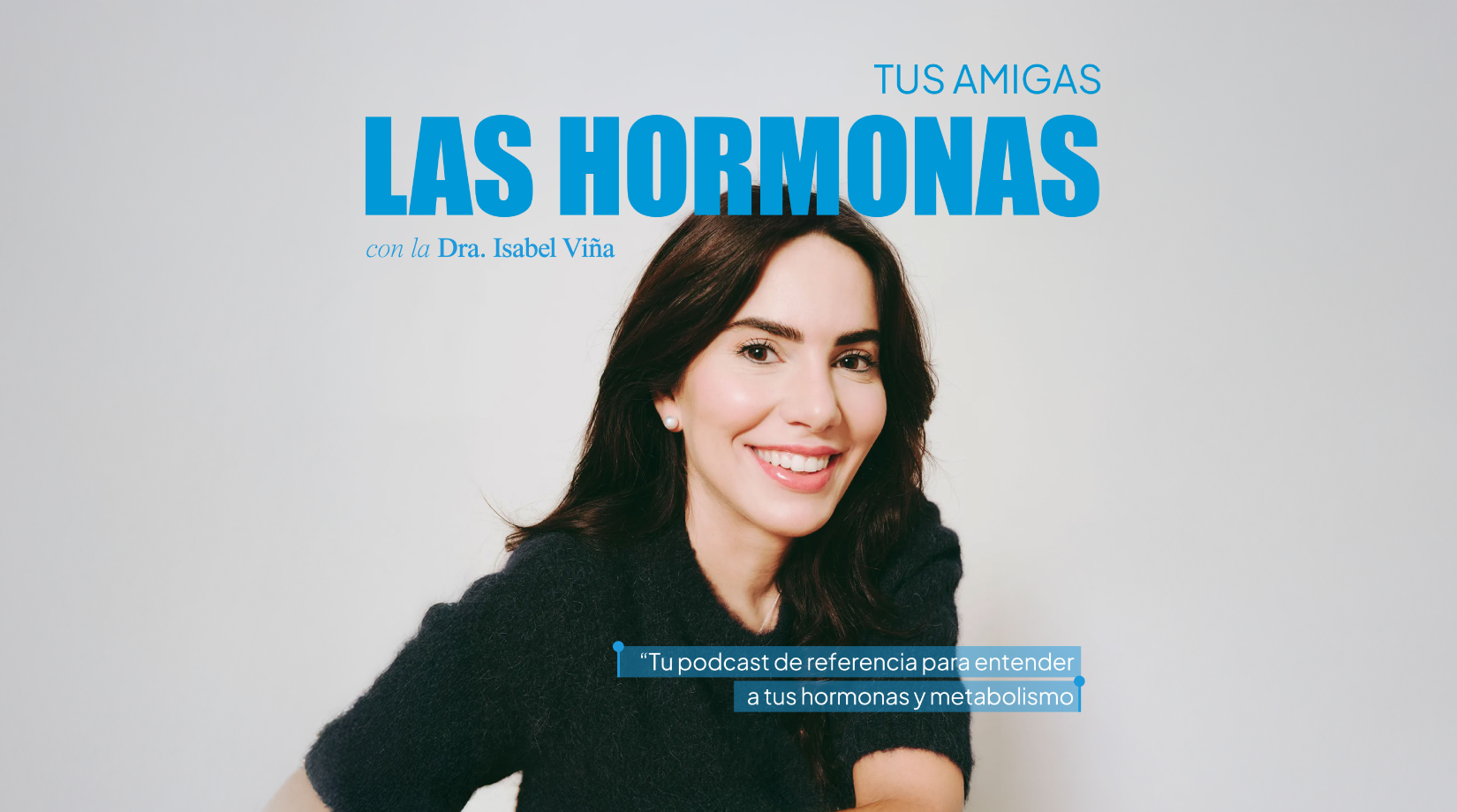
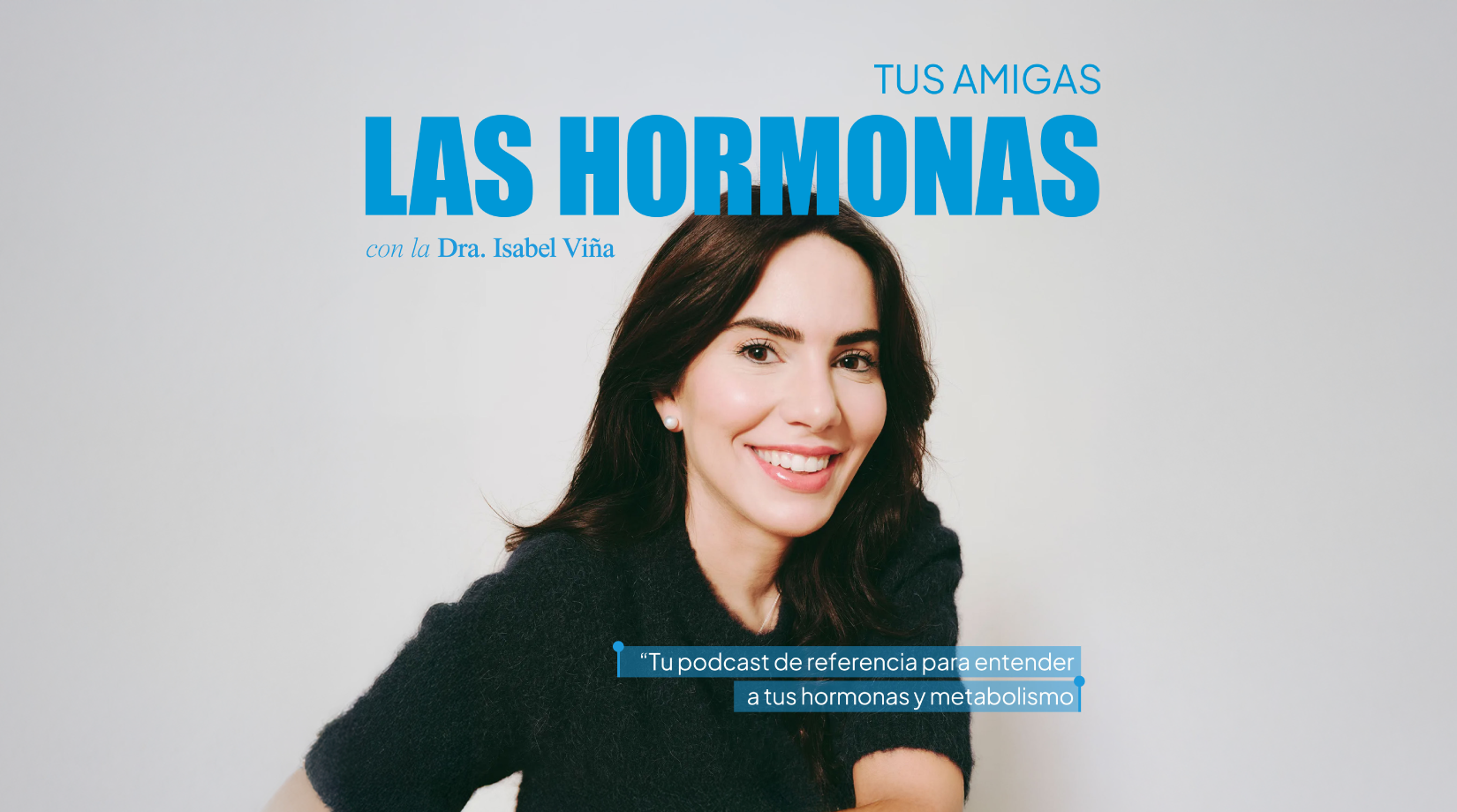
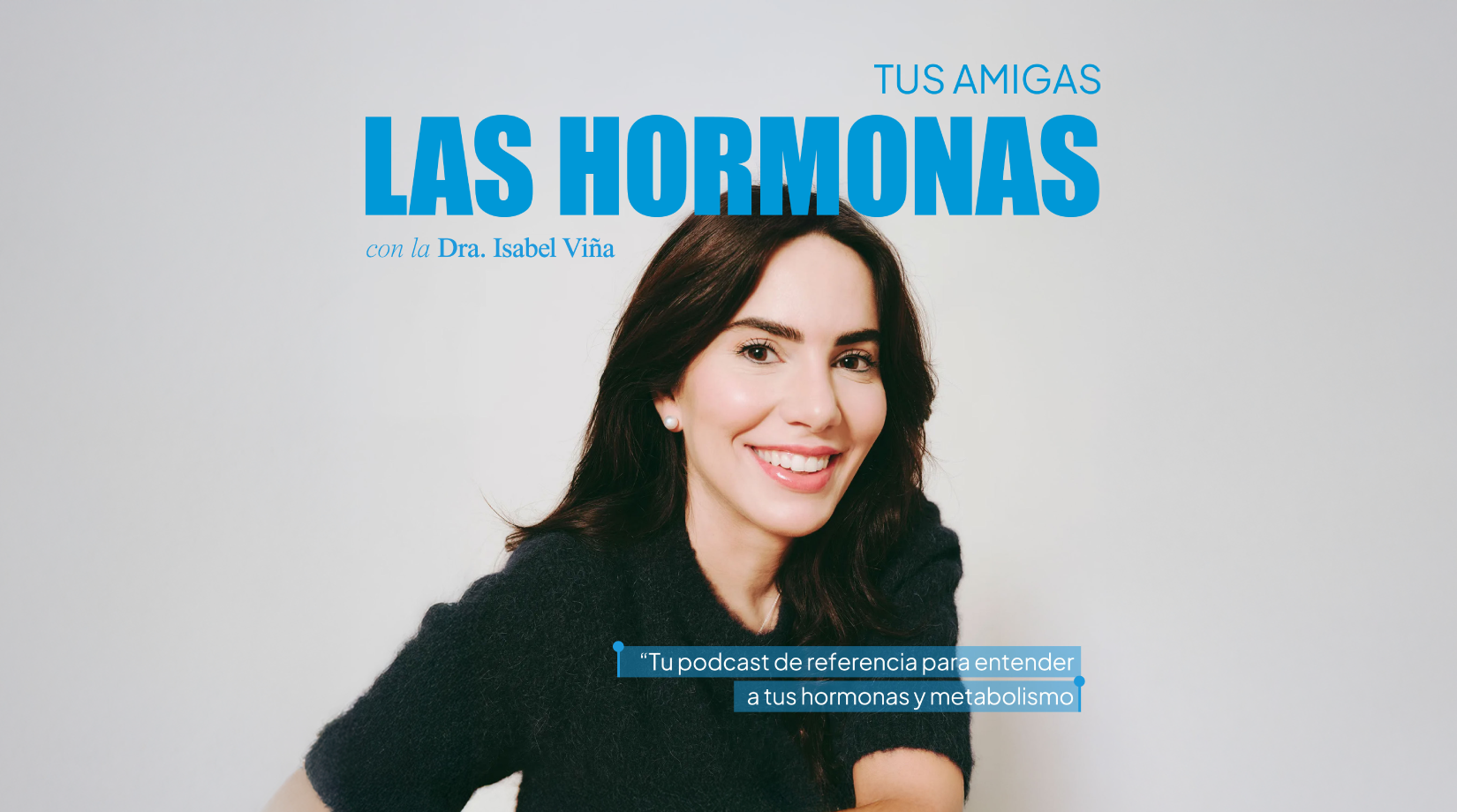
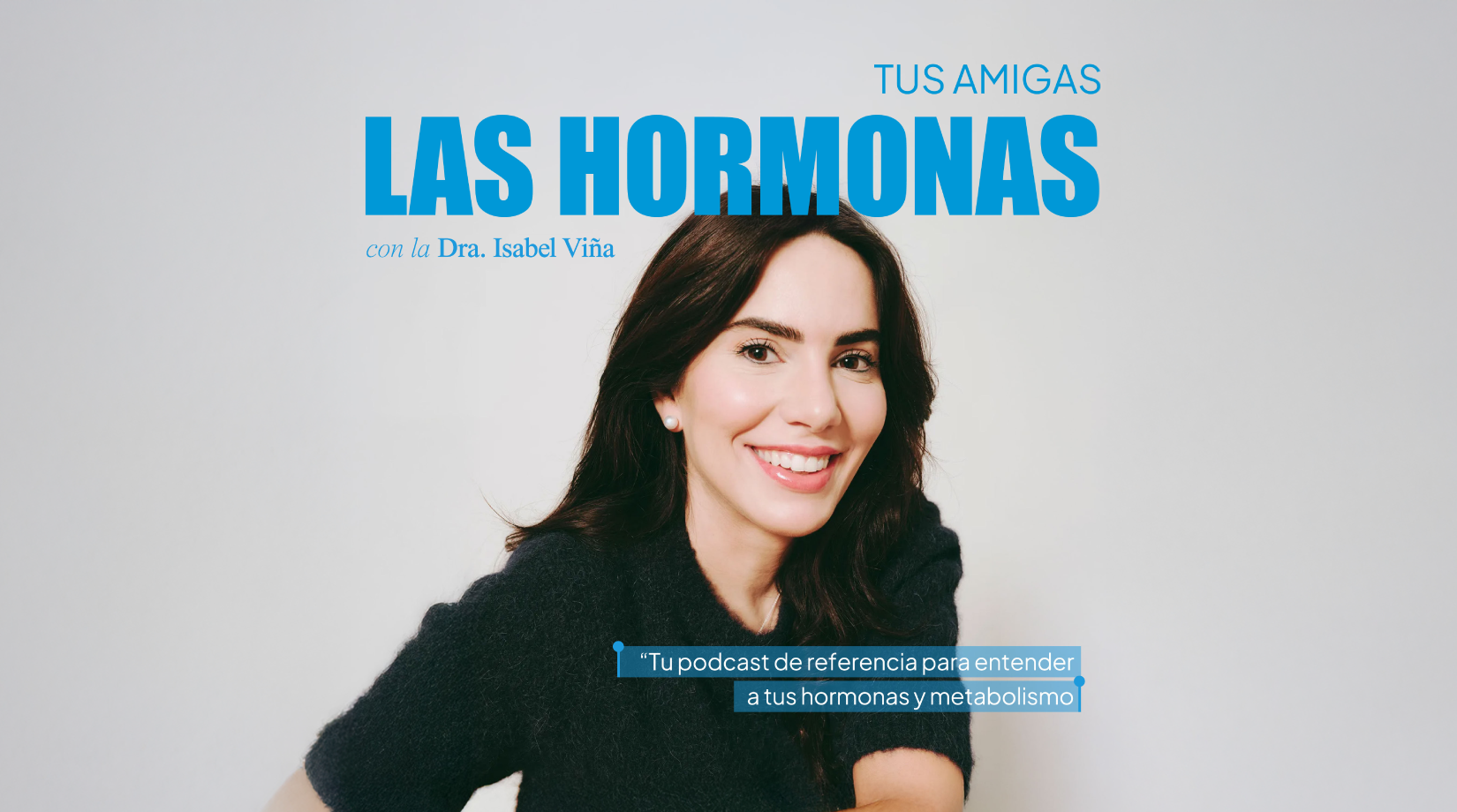
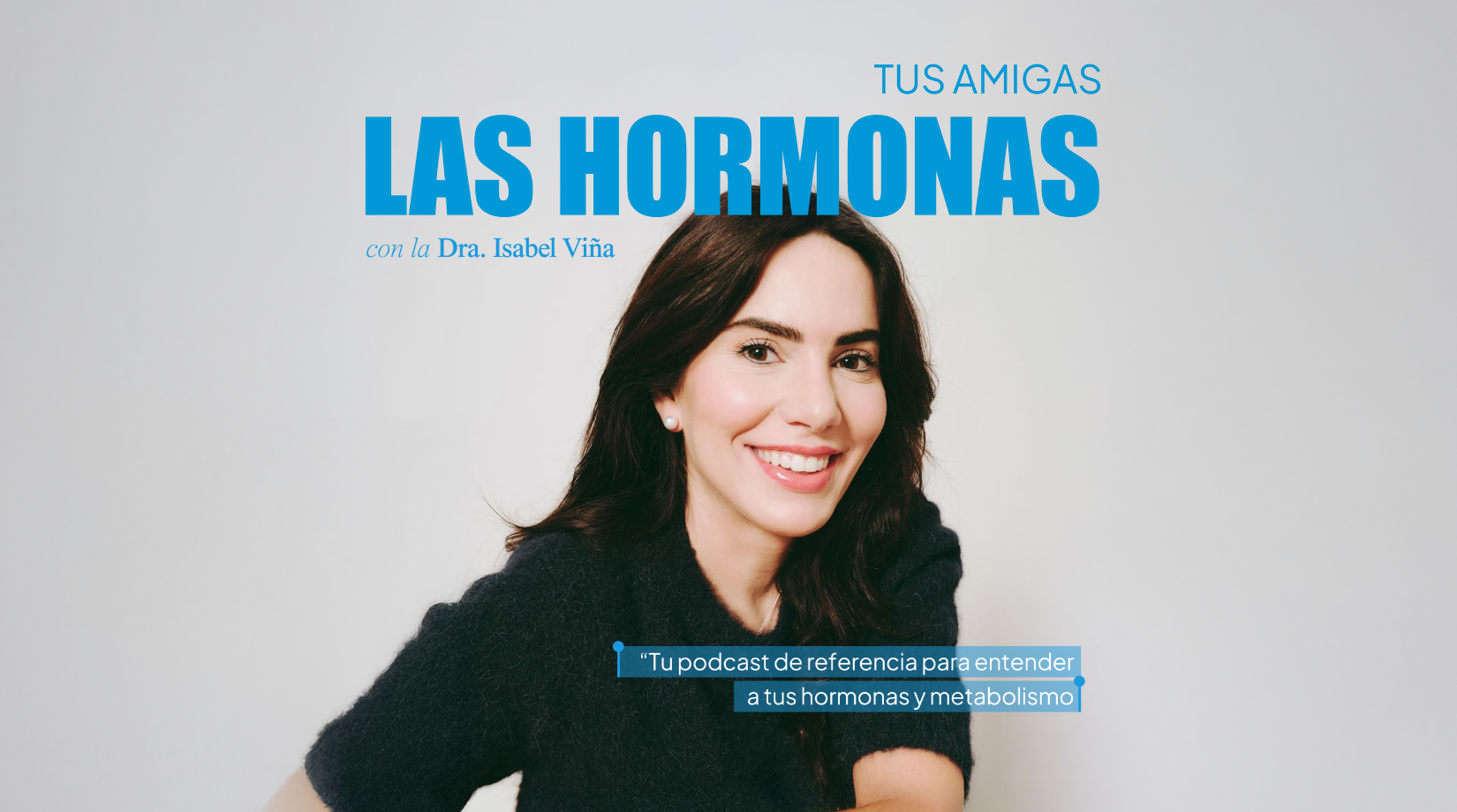
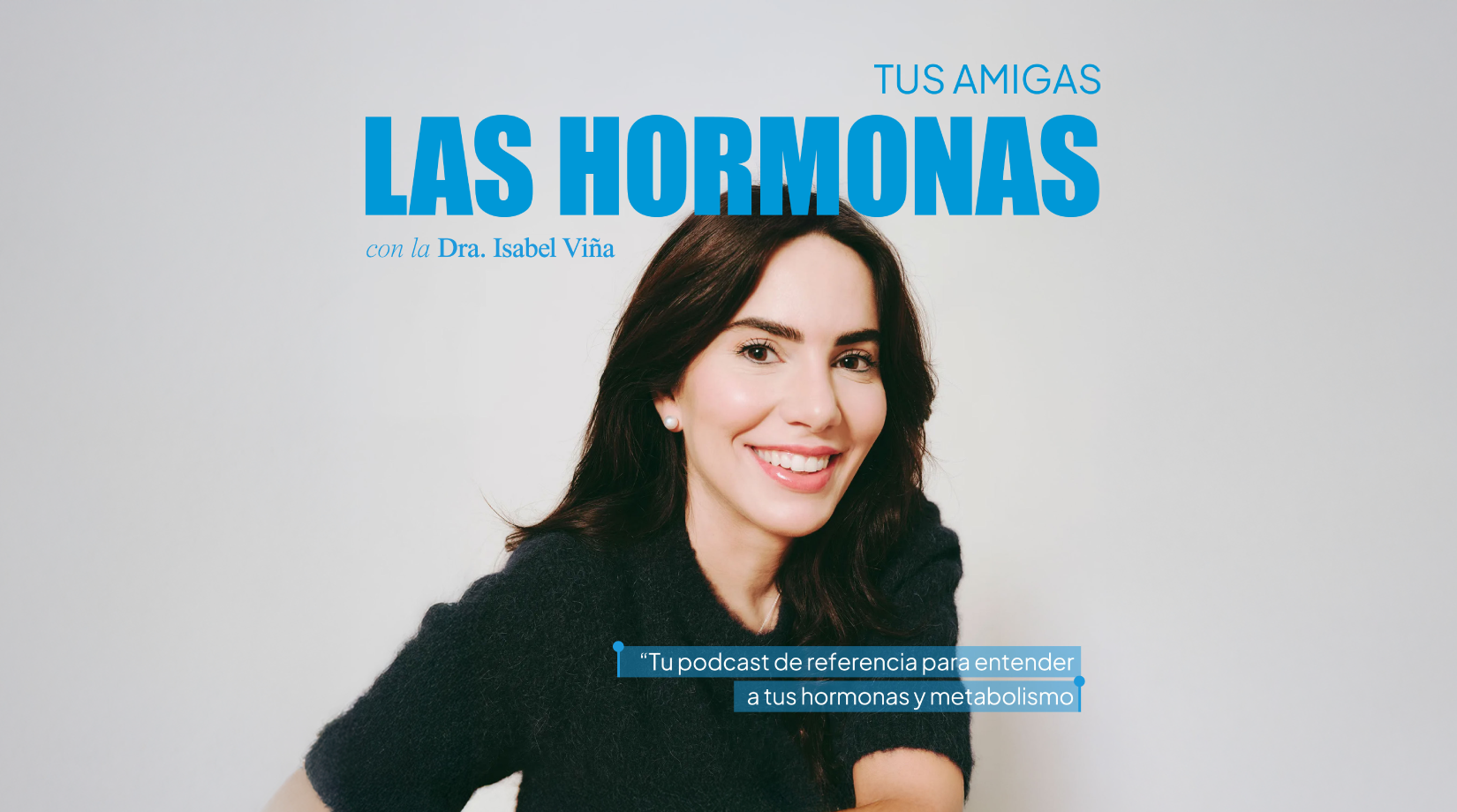
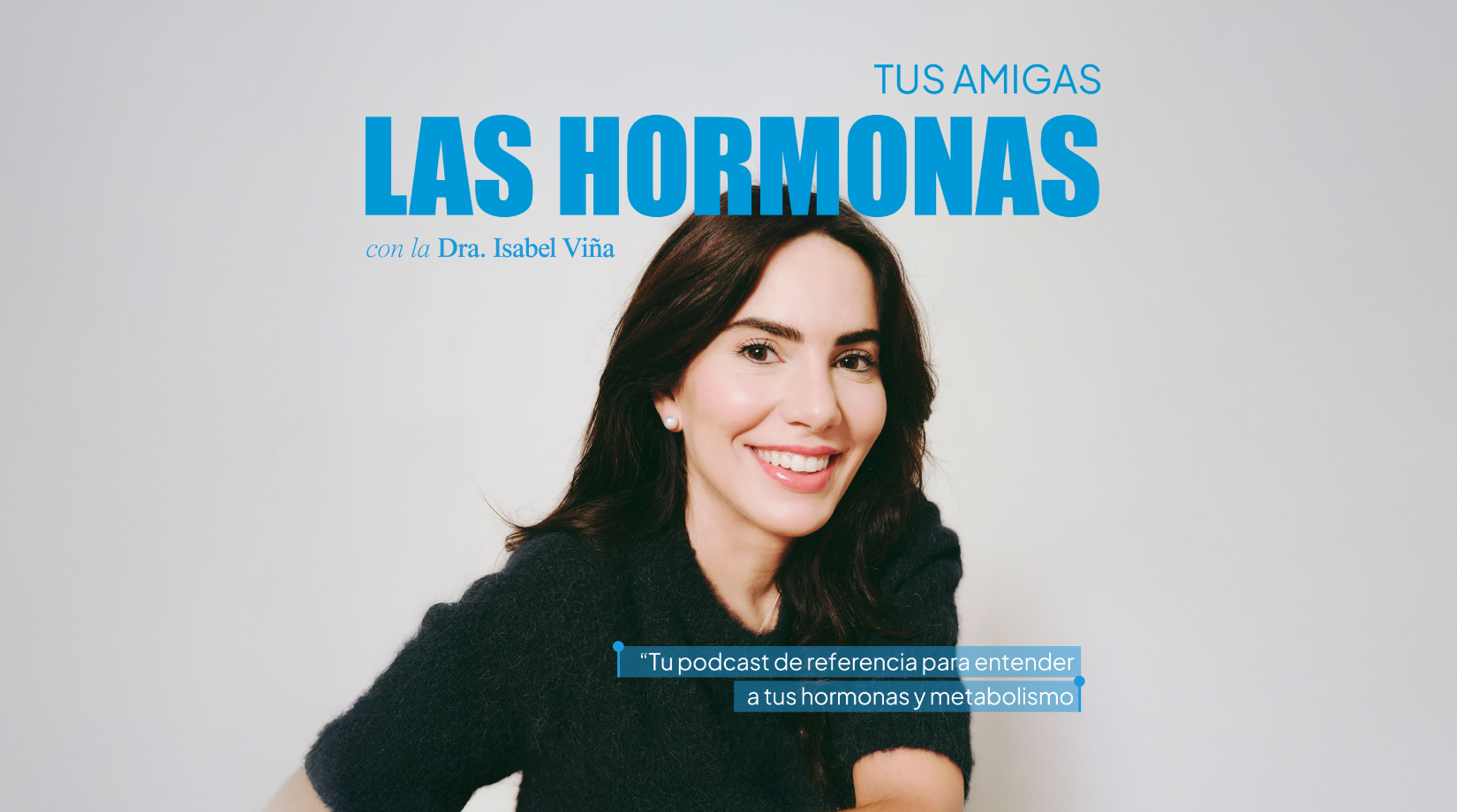
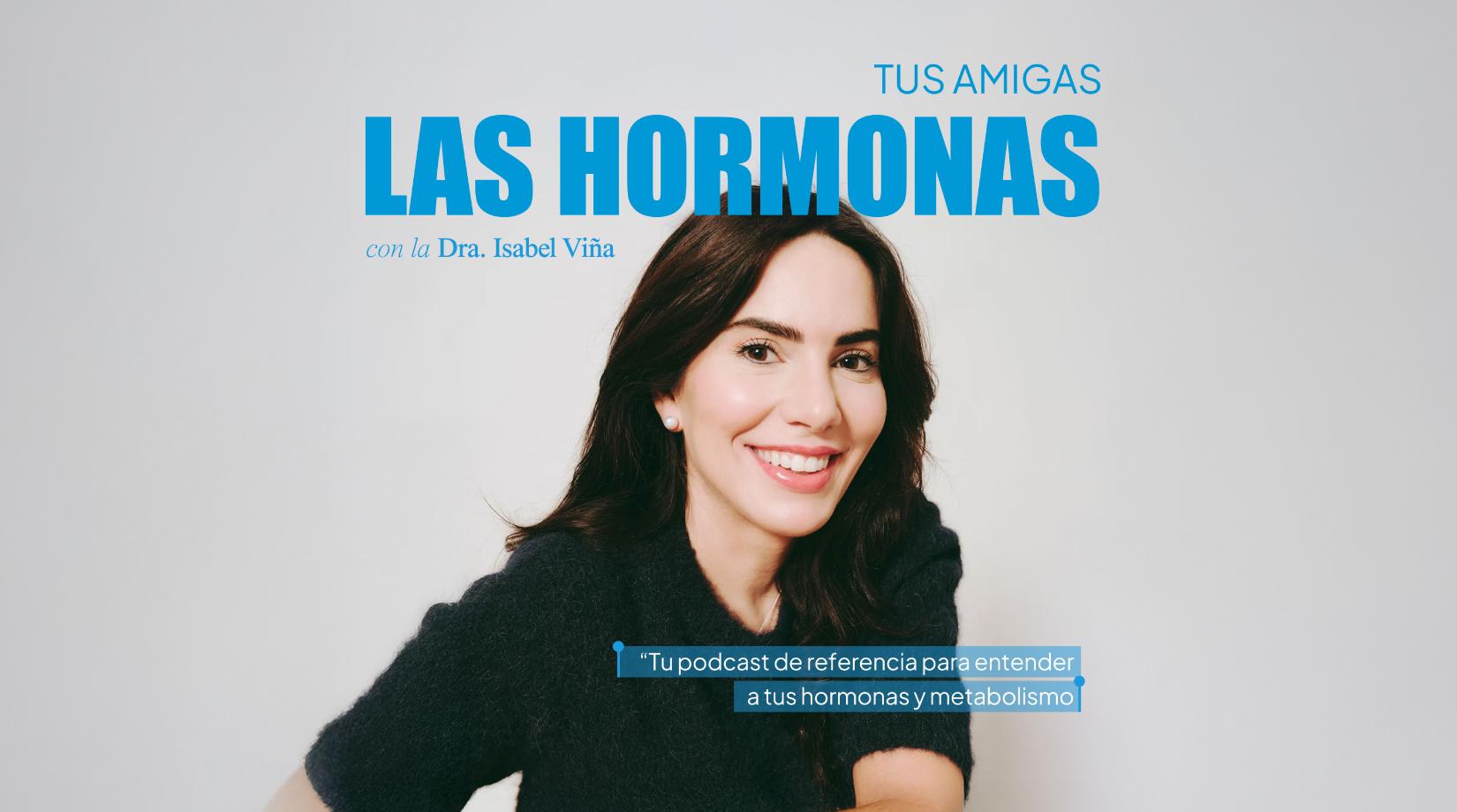
Tus amigas las hormonas

The podcast of Dr. Isabel Viña Bas, physician and medical-scientific director of IVB Wellness Lab. In this space, Dr. Viña shares everything essential about hormones, metabolism, nutrition, and supplementation in an approachable and clear manner. Her purpose is to help you understand how your body works and provide you with science-based tools so you can make better decisions about your health. Here you will find practical explanations and the key to making your hormones your allies.

Statistics

No. 2
Most Listened to Health and Fitness Section in Spain
+ 80 k
Oyentes mensuales
+ 100
Episodes
EP 134. GLP-1 y nutrición: proteínas, fibra y vitaminas que no pueden faltar.

EP 134. GLP-1 y nutrición: proteínas, fibra y vitaminas que no pueden faltar.

Los tratamientos con agonistas GLP-1 han supuesto un antes y un después en el manejo de la obesidad. Pero, como ocurre con cualquier herramienta terapéutica, no todo consiste en perder peso y, aunque estos fármacos ofrecen muy buenos resultados, también conllevan una gran responsabilidad: evitar perder salud metabólica por el camino. Porque, ¿qué pasa con el músculo? ¿Por qué es tan importante asegurar un adecuado consumo de proteínas? ¿Qué papel juega la fibra cuando comemos menos? ¿Y qué micronutrientes conviene vigilar, como el hierro, la vitamina B12, la vitamina B1, vitamina D o la colina? En este episodio hablamos de la parte del tratamiento de la que menos se habla: cómo conseguir que la pérdida de peso sea, además, una pérdida de grasa… y no de salud. Porque adelgazar no debería significar perder fuerza, funcionalidad ni aumentar el riesgo de déficits nutricionales. Si tú o alguien cercano está siguiendo un tratamiento con un agonista GLP-1, creo que este episodio puede ayudaros a entender cómo acompañarlo desde la fisiología y la evidencia científica para obtener los mejores resultados. Y si, además, quieres profundizar en otros aspectos relacionados con estos tratamientos, te recomiendo escuchar también los episodios 77 y 111, donde encontrarás información complementaria que te ayudará a entender mejor su funcionamiento, sus beneficios y cómo utilizarlos de la forma más segura y eficaz posible. Como siempre digo: saber más para temer menos y elegir mejor.

All Episodes

EP 38. Luchar Por La Vida con la Psicóloga Cristina Romero.

EP 38. Fighting For Life with Psychologist Cristina Romero.

Good morning!!Today I bring you, probably, the most personal episode of my podcast that I've shared with you since I launched this podcast almost a year ago.Thanks to my friend and also psychologist, Cristina Romero, we tackle tremendously important topics that are often not very visible or taught in our society, such as: The need to set boundaries in our relationships and how the key to knowing how to set and maintain these boundaries lies in our self-esteem (love for who we are as complete individuals). How to know if we are in a healthy personal relationship (of any kind: intimate, friendship, family) or if, on the contrary, we need to start thinking that we are in a toxic relationship. Suicide. Everything that is not seen, how it can be more present than you think in your day-to-day life, how to relate to a person with a history of suicide so that they feel safe with us and at the same time we help them fight for their life. We talk about this and much more with Cris, I hope you fall in love with it as much as I did. If you want to follow her on her IG, it's @cris.psico where you can learn from her and even request an appointment, both in-person and online.You can always find me on my IG @isabelvina for anything related to medicine, hormones, metabolism... and especially health :)For more information, you know you can find me on my Instagram @isabelvina where I share daily content.My TikTok @isabelvinabasOn my YouTube channel YouTube ChannelAnd the supplements formulated by me on my website My website
EP 37. Hablando de Nutrición con Miguel López.

EP 37. Talking About Nutrition with Miguel López.

Hello! Welcome back to this podcast,Today I have the incredible honor of sharing with you my conversation with Nutritionist, PhD in Food Science, researcher, and professor at UFV, but above all, my friend: Miguel López, known on social media as @nutreconciencia.In today's episode, we chat about: Vitamin B12: Do only vegans/vegetarians really need to supplement? Or, do people who don't eat red meat also need to, regardless of whether they eat fish, eggs, or dairy? Is iron from plant-based foods "worse" than iron from animal sources, especially red meat? Why the current fuss about red meat? Is there really a health risk from its chronic consumption, or are we "exaggerating"? If we don't consume animal products, can we get the protein we need? Are we at risk of protein deficiency and therefore at risk of muscle loss? All that and much more is what we discuss in this podcast, which I believe is one of my favorites since I started the podcast almost a year ago. I hope you learn as much as I did talking with Miguel. To continue learning from him, be sure to follow him on his IG @nutreconciencia, and to follow me, you already know my IG is @isabelvina and the website is https://ivbwellness.comFor more information, you know you can find me on my Instagram @isabelvina where I share daily content My TikTok @isabelvinabasOn my YouTube channel YouTube ChannelAnd the supplements formulated by me on my website My Website
EP. 36. Cortisol: Conócelo, contrólalo.

EP. 36. Cortisol: Know It, Control It.

High Cortisol: The Symptoms of Living in Alert Mode and How to Regain Your Hormonal Rhythm Hello, I am Dr. Isabel Viña Bas, physician and Scientific Director of IVB Wellness Lab. There is a hormone that we have turned into the great villain of our time: cortisol. There is talk of cortisol toxicity, of eliminating it, blocking it, and doing whatever it takes to bring it down. But cortisol is not a toxin or a bad hormone. It is an essential hormone for life. Without cortisol, a person with severe adrenal insufficiency could die in less than 24 hours. The problem isn't having cortisol: it's losing its natural rhythm and living as if you were facing a threat all day long. Your body understands a specific, immediate danger very well. What it doesn't know how to interpret is the difference between running from a lion and piling up emails, conflicts, responsibilities, a lack of rest, or fourteen TikTok videos in a row. To your primitive brain, almost anything can become an alarm signal. Y cuando esa alarma no se apaga, aparecen los síntomas que solemos atribuir al cortisol alto. What is cortisol and why does your body need it to survive? Cortisol is produced in the cortex of the adrenal glands, two small glands located on top of the kidneys. Its evolutionary function is to help us respond to a threat and ensure that essential organs have enough energy to keep us alive. It is a survival hormone, not an enemy. In the face of acute stress, the response occurs in phases. First, adrenaline and noradrenaline are released within seconds: the heart rate accelerates, alertness increases, and the body prepares to act. A few minutes later, cortisol appears to prolong that response, mobilize energy, and allow you to escape. I like to explain it this way: adrenaline is the emergency button that is pressed all at once; cortisol is the generator that keeps the lights on for as long as the problem lasts. This mechanism is perfect if the threat begins and ends. It becomes harmful when the generator keeps running day and night. Symptoms of high cortisol: a body trapped in survival mode When the body senses that it must constantly survive, it begins to redistribute its resources. It is not concerned with giving you glowing skin, a regular period, or perfect digestion. It focuses on ensuring that the brain, heart, and muscles have immediate fuel. That priority explains many of the symptoms of high cortisol and chronic stress. More infections and a poorer immune response. Cortisol reduces B lymphocytes and eosinophils because, in the face of danger, keeping the immune response active is energetically costly. If stress becomes chronic, this inhibition can increase susceptibility to frequent infections. Abdominal fat and changes in body distribution. Cortisol shifts fat toward the abdomen to keep it close to the liver, pancreas, and heart, where it can be used quickly. In extreme excess, such as in Cushing's syndrome, a so-called moon face, a prominent abdomen, and thinner limbs appear. Insulin resistance and higher cardiovascular risk. Cortisol makes it difficult for glucose to enter muscle and fat because it wants to keep it circulating for the brain and heart. This sustained glucose ends up damaging the blood vessels. In my practice, I use a very graphic image: it's like spilling Coca-Cola on the floor, everything gets sticky, and that stickiness promotes arterial damage, arteriosclerosis, and the risk of stroke or heart attack. Thick stretch marks, bruising, and fragile skin. Prolonged excess cortisol alters keratinocytes and weakens the skin and small blood vessels. Wide, red or wine-colored stretch marks can appear, especially on the abdomen and armpits, as well as bruising from minimal impact. High blood pressure. Cortisol stimulates aldosterone, which causes the kidney to reabsorb sodium and water. By retaining more fluid, blood pressure rises. Apathy, sadness, and mental fatigue. The brain shuts down everything that is not essential for survival. You may feel disconnected, unmotivated, very tired, or sad. In very pronounced excesses, such as those associated with corticosteroids, severe mood alterations appear. Fatty liver and high triglycerides. A liver that lives on high alert tends to convert available energy into triglycerides and store it. That is why chronic stress is not just an emotional experience: it also leaves a metabolic footprint. "Cortisol toxicity": why the term doesn't fit for most people The idea of being "toxic with cortisol" has become popular on social media. I understand it is an easy-to-visualize expression, but medically it is not accurate. An actual and sustained excess of cortisol has a name: Cushing's syndrome. Cushing's syndrome is a serious condition that can be caused by taking corticosteroids, a pituitary tumor, an adrenal adenoma, or certain tumors that produce ACTH. In my entire career, I have seen very few cases of tumors responsible for actual Cushing's. It is not what explains the fatigue, stress, or belly fat for most people. What we see much more frequently is a condition called pseudo-Cushing's. Here, the problem is not producing a massive amount of cortisol, but rather losing the curve that should regulate its release throughout the day. The problem is not usually how much cortisol you have, but when you have it. The cortisol rhythm: why you are exhausted during the day and can't sleep at night Healthy cortisol does not remain stable. It is released in pulses and follows a very precise circadian rhythm. It should reach a major peak around 7:30 or 8:00 in the morning to help you wake up, another between 11:00 and 12:00, and a smaller pulse around 16:00. Then it needs to drop to its lowest point around 9:00 PM or 10:00 PM to make way for melatonin and sleep. This pattern even explains some daily habits: many people feel they need a mid-morning or mid-afternoon coffee because these times coincide with moments when the body expects a new boost of energy. Your coffee schedule usually follows the cortisol curve. With chronic stress, the curve flattens. Instead of rising to ten in the morning and dropping to almost zero at night, cortisol can stay at a four all day long. You don't get that boost when you need to activate, but you also don't drop low enough when it's time to sleep. That flat curve is the signature of chronic stress. That is why symptoms that seem contradictory can coexist: abdominal fat, cholesterol, or stretch marks alongside fatigue, apathy, abdominal pain, low blood pressure, and insomnia. Many times you are not dealing with too much cortisol, but rather with cortisol at the wrong time. Stress, fertility, and thyroid: when the body goes into energy-saving mode When the brain interprets that there is a constant threat, reproduction, and with it the fertility, ceases to be a priority. Cortisol stimulates CRH, which inhibits GnRH in the hypothalamus. As GnRH drops, FSH and LH also fall—the hormones that direct follicle development and ovulation. Sustained stress can halt ovulation from the brain, not from the ovary. The result can be an irregular period, a missed period, or difficulty ovulating. It is not that the ovary has forgotten how to function: it is the brain that has given the order to temporarily shut down the reproductive system because it does not consider it safe. The body prioritizes survival over gestation. The thyroid responds in a similar way. Instead of running at one hundred percent, it goes into battery-saving mode and reduces the energy available to the cells. That fuels the fatigue, the feeling of being cold, the brain fog, and the lack of vitality that many people attribute solely to stress. How to lower cortisol through lifestyle changes? There is no dietary supplement here that can compensate for a life that continues to send danger signals to the brain twenty-four hours a day. The first step to lowering cortisol is identifying what keeps the alarm activated. Write the cause of the stress. It is not enough to just say you are stressed. Stop and write down which situations, people, or decisions are triggering that response. By thinking about it and then reading it, the information passes through the prefrontal cortex twice, which helps you gain perspective and turn a vague feeling into concrete problems that you can actually act upon. Get moving, but don't turn exercise into another threat. Moderate exercise dampens the hypothalamus's response to stress and releases endorphins that counteract cortisol. Zumba, yoga, dancing, weightlifting, or any activity that allows you to reconnect with your breath and body will do. You don't need to punish yourself: you need to teach your nervous system that it can move without being in flight mode. Reduce your caffeine intake if you are already living life in the fast lane. Coffee can act like premium gasoline for a system that is already hyperactive. In those cases, I prefer white tea or rooibos: white tea has less caffeine, provides antioxidants, and maintains the ritual without adding as much stimulation. Boost antioxidant support in your diet. Berries are a simple tool against oxidative stress. My favorites, in order, are raspberries, blueberries, currants, blackberries, cherries, strawberries, and, finally, apples. Sugar-free frozen blueberries are a practical and cheap option to have them every day. Adaptogens for stress: how they help provide a more balanced response The adaptogens they do not eliminate cortisol, nor do they make you immune to problems. I like to describe them as a kind of vaccine against stress: if your body would have responded to a difficulty with ten units of cortisol, they can help it respond with three. They don't erase reality, but they make your body more resilient. Rhodiola rosea. It is one of my favorite adaptogens for physical and mental fatigue. It helps modulate the cortisol response and better sustain energy and focus under pressure. Quality is key here: it must be standardized in its active ingredients, rosavins and salidrosides. That is why, when formulating TyroEnergy, incorporated Rhodiola rosea standardized in rosavins and salidrosides. It is not about adding a plant just because it is trendy, but about knowing what active compounds it provides and ensuring a consistent raw material. L-theanine It is an amino acid found in tea that promotes GABA, the relaxing neurotransmitter, and reduces glutamate, which is excitatory. It is useful for calming the mind and promoting rest without causing intense sedation. Medicinal mushrooms Cordyceps, Chaga, and Reishi provide beta-glucans and terpenoid compounds that help modulate the stress response while supporting the immunity that chronic cortisol tends to suppress. Panax Ginseng. Ashwagandha and cortisol: why not everything natural works for everyone Ashwagandha is probably the most popular adaptogen at the moment, but I decided not to use it in IVB formulas. Natural does not mean harmless, and a plant capable of altering a hormonal pathway can also cause unwanted side effects. Ashwagandha can alter thyroid function, both by excess and by deficiency. In addition, clinical cases have been reported in which cortisol levels dropped so sharply that it triggered severe adrenal insufficiency. That is why I advise against it, especially for people with thyroid problems. The goal should never be to bottom out cortisol. We have already seen that you need it to live. What we are looking for is a balanced response and a good rhythm, not taking an essential hormone to the opposite extreme. How to combine dietary supplements without letting self-care add to your stress When someone discovers adaptogens, the temptation is to take them all at once. Rhodiola, theanine, Reishi, Cordyceps, Ginseng… but that would be using a sledgehammer to crack a nut. More is not better, and a routine with ten products can become an obligation that adds even more stress. My recommendation in the episode is to start with a maximum of two options for manage stress for day-to-day life. For example, Rhodiola in the morning and L-theanine at night, or Rhodiola with a mushroom like Cordyceps. This way, you can observe how your body responds and make informed adjustments. Timing also matters. These supplements do not work like an acute medication that changes a sensation in minutes. They work through accumulation and require weeks of consistency, always alongside real changes in rest, exercise, caffeine, and the cause of stress. Without lifestyle changes, no adaptogen does the work alone. What to do if you recognize symptoms of high cortisol? Do not try to self-diagnose Cushing's syndrome just because you feel tired, sleep poorly, or accumulate belly fat. Those symptoms are common and can have many causes. The first step is to observe your rhythm: how you wake up, when fatigue sets in, how much coffee you need, how you sleep, and which situations keep your nervous system on high alert. Then, turn stress into something concrete, reduce the stimuli that amplify it, and seek professional support when the situation overwhelms you. If intense or persistent signs appear (thick, wine-colored stretch marks, continuous bruising, hypertension, significant menstrual changes, or marked physical changes), you need a medical evaluation, not a collection of randomly chosen supplements. If there are warning signs, see a doctor first; supplements come after. Cortisol is not your enemy. It is a hormone that has been trying to protect you for thousands of years. Your task is not to silence it, but to teach your body that the danger has passed and that it can reactivate, rest, ovulate, and repair at the right time. Transforming your health is a matter of applying science consistently, day by day. You hold in your hands the knowledge to better understand your signals, regain your hormonal rhythm, and choose tools that support your body instead of fighting against it. Author: Dr. Isabel Viña Bas  I hope you like it :)For more information, you know you can find me on my Instagram @isabelvina, where I share daily content with you My TikTok @isabelvinabas YouTube ChannelAnd the supplements formulated by me on my website My website
EP. 35 Cuidado Capilar Personalizado con la Farmacéutica Clara Motos

EP. 35 Personalized Hair Care with Pharmacist Clara Motos

Today on the podcast, I'm bringing you the wonderful Clara Motos. She is an incredibly good woman with a genuine desire to help others through her profession. Clara is a pharmacist with a master's degree in the Pharmaceutical and Parapharmaceutical Industry, specializing in dermocosmetics and hair care.Throughout the podcast, we chat about what a personalized analysis in a pharmacy entails to determine the specific hair care our hair needs based on our requirements: from hair loss to sensitive or oily scalps.How to identify the main patterns of hair loss in a "homegrown" way.Are parabens good for hair?Do anti-hair loss shampoos work?What compounds should definitely be included in supplements designed to strengthen hair?That and much more is what I discussed with Clara. Honestly, I enjoyed and learned a lot from her, and I hope she teaches you as much as she taught me!I'm leaving Clara's website here in case you want to book an online appointment with her and/or shop at her online pharmacy, which also carries IVB products.Her IG: @clara.motosHer website: https://claramotos.com I'll see you on my Instagram @isadelvina and on December 9th in another podcast episode.A big kissFor more information, you know you can find me on my Instagram @isabelvina where I share daily content.My TikTok @isabelvinabasOn my YouTube channel YouTube ChannelAnd the supplements formulated by me on my website My Website
EP 34. Síndrome Premenstrual: Todo lo que Debes Saber.

EP 34. Premenstrual Syndrome: Everything You Need to Know.

¡Hola! In today's podcast episode, I'm telling you all about premenstrual syndrome. In the podcast, you'll learn, among other things: What is premenstrual syndrome and what physical and emotional symptoms can you experience? What hormonal imbalances are responsible for premenstrual syndrome? How to improve irritability and bad moods? Why do you experience increased appetite and specifically cravings for sweets? Is there anything to help with this? What hormones are involved in fluid retention? Is there anything in your diet you can do to improve it? Why can you experience the onset of migraine attacks during premenstrual syndrome? I hope this helps you a lot to understand why you experience these real symptoms and to know that you don't have to resign yourself to living with them. Instead, by knowing more, you can make better choices about what to do and what to include in your lifestyle to improve how you feel and therefore have the quality of life you deserve. As I've said, the supplements I recommend are both from my own brand IVB wellnesslab, whose IG is @ivbwellnesslab and website https://ivbwellness.com, and also, for supplements not available in my brand, I select them and save them in my "favorites" story highlights on my Instagram @isabelvina. I hope you like it, remember to subscribe and rate my work on the podcast so I can reach more people! If you have any extra questions, check out my INSTAGRAM @isabelvina. I have many more answers about hormones and metabolism there! Talk to you in 15 days :)For more information, you know you can find me on my Instagram @isabelvina where I share daily content. My TikTok @isabelvinabasOn my YouTube channel YouTube ChannelAnd the supplements formulated by me on my website My Website
EP 33. Suplementación en la Infancia y Adolescencia.

EP 33. Supplementation in Childhood and Adolescence.

Hello! In today's podcast episode, I'll tell you everything you need to know about supplementation in children. Specifically, about the importance of vitamin D, omega-3, and magnesium supplementation in certain age groups. I'll discuss, among other things: Why vitamin D deficiency is so common now and why children (especially younger ones) are more susceptible to its deficiency. Vitamin D content in foods. Why omega-3 is so crucial in pediatric age and therefore it's necessary to ensure a minimum daily amount of these essential fatty acids for proper neurodevelopment. Magnesium and its importance in vitamin D metabolism. Why calcium, in general, is easier and more advisable to get through food rather than supplements in pediatric age. Calcium-rich foods and how to combine them. I hope this helps you resolve many doubts and concerns you may have. And remember, for any personal questions, consult your children's pediatrician, as they know your child's particular characteristics and needs. For more information, you can find me on Instagram @isabelvina, and you also know that I have my own brand, IVB wellnesslab, whose IG is @ivbwellnesslab and website https://ivbwellness.com, where I offer advanced clinical supplements to treat specific problems and essential supplements with maximum bioavailability, so if you invest in your health, safety and efficacy are guaranteed. I hope you like it, remember to subscribe and rate my work on the podcast so I can reach more people! For any extra questions, check out my INSTAGRAM @isabelvina, where I have many more questions about hormones and metabolism answered!For more information, you already know you can find me on my Instagram @isabelvina where I share daily content. My TikTok @isabelvinabasOn my YouTube channel YouTube ChannelAnd the supplements formulated by me on my website My Website
EP 32. Diabetes Mellitus Gestacional: Tus Dudas Resueltas.

EP 32. Gestational Diabetes Mellitus: Your Doubts Resolved.

Hello! In today's podcast episode, I'll explain everything related to gestational diabetes mellitus (GDM). Among the questions I'll answer are:How GDM differs from type 1 and type 2 diabetesWhich women are at higher risk of developing GDM If you have normal preconception insulin and glucose levels, does that guarantee you won't develop GDM? Why is the "short" and "long" glucose tolerance test performed to diagnose GDM, unlike in other cases of diabetes? If you're not used to eating sugar, isn't this "sugar rush" harmful? Can taking 50/100g of sugar for the glucose tolerance test affect the baby? Why is it crucial NOT to modify your diet in the days leading up to the glucose tolerance test? Can GDM be diagnosed with a glucose meter instead of a glucose tolerance test? What supplements can be taken to reduce the risk of gestational diabetes mellitus or if it has been diagnosed?Does being subjected to IVF treatments increase the risk of GDM?Can you have a higher risk of developing diabetes after pregnancy?As I mentioned, the supplements I refer to are either from my brand https://ivbwellness.com or are ones I carefully select and keep in my "favorites" story highlights on my Instagram @isabelvina. I hope you enjoy it. Remember to subscribe and rate my work on the podcast so I can reach more people! If you have any extra questions, check out my Instagram @isabelvina. I have many more answers about hormones and metabolism there!Additionally, you can visit my website https://ivbwellness.com for consultations and to purchase my line of high-quality supplements designed to work naturally with your body and hormonal system to restore the quality of life and well-being you deserve. Talk to you in 2 Saturdays!For more information, you know you can find me on my Instagram @isabelvina where I share daily content.My TikTok @isabelvinabasOn my YouTube channel YouTube ChannelAnd the supplements formulated by me on my website My Website
EP 31. Cuidado Facial Avanzado Con el Farmacéutico Eduardo Senante.

EP 31. Advanced Facial Skincare with Pharmacist Eduardo Senante.

Hello! In today's podcast episode, I interview pharmacist and dermopharmacy professional: Eduardo Senante. Throughout the podcast, you will not only learn which cosmetic active ingredients can best help you achieve healthy, radiant skin with minimal signs of photo and chrono-aging, but you will also learn the exact names and brands that Eduardo recommends. It's wonderful to listen to Edu, so I hope you learn as much as I did while recording the podcast.Here's a brief description of what we'll cover: From all your years in pharmacy assisting people, I'd like you to tell us about 3 things that, no matter how many times you repeat or try to teach them, still don't seem to resonate with the public, and why do you think that is? Now, getting into the topic of dermopharmacy, and specifically into improving photo and chrono-aging, I'd like you to give me your honest opinion on retinoids. In this regard, could you tell us which retinoid to use for a woman aged 30-50 who wants to invest in a quality retinoid? Antioxidant alternatives for those who don't tolerate vitamin C serums and derivatives. Specific care for lips and eye contour: is it necessary to protect them from the sun with something specific? And should we use any special active ingredient to prevent aging in the eye contour and lips? What do you think is missing in the care and prevention of aging on the face, neck, and décolletage? In other words, if you had a laboratory with all the ingredients and everything could be made, what would you like to create because you think it's missing in the dermopharmacy industry? Products we've discussed on the podcast:High-priced retinal for beginners:https://farmaciasenante.com/medik8-crystal-retinal-3-30ml Affordable retinal for beginners:https://farmaciasenante.com/geek-and-gorgeous-a-game-10-01-retinal-serum-30-mlRetinal for eye contour https://farmaciasenante.com/beauty-of-joseon--revive-eye-serum-ginseng--retinal-30ml?search_query=retinal%20beau&fast_search=fsAntioxidants without vitamin CHighest-priced Niacinamide + Azelaic Acid: https://farmaciasenante.com/gh-12-azelaic-n-30-ml More affordable Niacinamide: https://farmaciasenante.com/geek-and-gorgeous-b-bomb-30-ml?search_query=niacinamida%20glee&fast_search=fs Lip balmshttps://farmaciasenante.com/eucerin-aquaphor-pomada-reparadora-nariz-y-labios-7ml https://farmaciasenante.com/nuxe-balsamo-labios-15g Exfoliating lip maskhttps://farmaciasenante.com/laneige-lip-sleeping-mask-ex-berry-20g Eduardo's Instagram @farmaciasenante, I also have my brand's supplements @ivbwellnesslab in case you want to take advantage of the order for inside and outside care! For any extra questions, check out my Instagram @isabelvina where I have many more resolved questions about hormones and metabolism! Also, you have my website https://ivbwellness.com to purchase my line of high-quality supplements designed to work naturally with your body and hormonal system to restore the quality of life and well-being you deserve. See you in 15 days!!For more information, you know you can find me on my Instagram @isabelvina where I share daily contentMy TikTok @isabelvinabasOn my YouTube channel YouTube ChannelAnd the supplements formulated by me on my website My website
EP 30. Papel Hormonal en el Sobrecrecimiento Bacteriano.

EP 30. Hormonal Paper in Bacterial Overgrowth.

Hello! In today's podcast episode, I'll tell you everything you need to know about bacterial overgrowth and why, once again, hormones play a key role in this recently recognized but increasingly common pathology in the general population.The key points I explain in this episode are:What is bacterial overgrowth (SIBO)What hormonal situations and/or diseases can predispose you to suffer from itThe most characteristic symptoms of SIBO and how to differentiate it from other intestinal disorders like irritable bowel syndromeTypes of bacterial overgrowth and how it is diagnosedAntibiotic and nutraceutical treatment for bacterial overgrowthI hope this helps you greatly understand this pathology in broad strokes, so if you feel identified with everything I've told you on the podcast, you can understand what and why you're feeling what you're feeling. This will help alleviate some of your suffering and give you the strategies you need to take action and achieve the quality of life you deserve. As I mentioned, the supplements I recommend for bacterial overgrowth are in my "favorites" story highlights on my Instagram @isabelvina. Also, you know I have my own brand, IVB wellnesslab, whose IG is @ivbwellnesslab and website https://ivbwellness.com, where I have advanced clinical supplements to treat specific problems and essential supplements with maximum bioavailability, so if you invest in your health, safety and efficacy are guaranteed. I hope you like it, remember to subscribe and rate my work on the podcast so I can reach more people!For any extra questions, check out my Instagram @isabelvina, where I have many more questions about hormones and metabolism answered!For more information, you know you can find me on my Instagram @isabelvina where I share daily content.My TikTok @isabelvinabasOn my YouTube channel YouTube ChannelAnd the supplements formulated by me on my website My website
EP 29. Menopausia y Terapia Hormonal Sustitutiva.

EP 29. Menopause and Hormone Replacement Therapy.

Hello! In today's podcast episode, I'll resolve all the questions you asked me on my Instagram about hormone replacement therapy. First of all, I remind you that if you haven't listened to my episode number 5, "Your Peri-Menopause Doubts Resolved," you should listen to it before continuing with this episode, as there I introduce in detail the hormonal changes of menopause, as well as what supplements can help you if you don't want to start/are not a candidate for hormone replacement therapy. Among the questions I answer in the podcast are:-Indications and contraindications for hormone replacement therapy (HRT)-Administration routes for HRT.-At what point in the onset of menopause is HRT prescribed or necessary?-How long can HRT be taken? Is HRT dangerous long-term?-Can it cause cancer?-Can HRT be given if you have endometriosis?-For vaginal dryness, is it safe to apply estrogen cream indefinitely?-Non-hormonal local therapies for genitourinary syndrome of menopause.-Options for treating vasomotor symptoms of menopause in women with a history of breast cancer.-Is it normal to have abdominal distension, nausea, and fluid retention with HRT? What is the solution?I hope this helps you a lot to understand why you experience these real symptoms and to know that you don't have to resign yourself to living with them. Instead, by knowing more, you can better choose what to do and what to include in your lifestyle to improve how you feel and therefore have the quality of life you deserve. As I've said, the supplements I recommend are both from my own brand IVB wellnesslab, whose IG is @ivbwellnesslab and website https://ivbwellness.com, and in addition, for supplements not available from my brand, I select them and save them in my "favorites" story highlights on my Instagram @isabelvina I hope you like it, remember to subscribe and rate my work on the podcast so I can reach more people! For any extra questions, check out my Instagram @isabelvina. There I have many more resolved doubts about hormones and metabolism!For more information, you know you can find me on my Instagram @isabelvina where I share daily content.My TikTok @isabelvinabasOn my YouTube channel YouTube ChannelAnd the supplements formulated by me on my website My Website
EP 28. Omega 3: La Guía Definitiva.

EP 28. Omega 3: The Definitive Guide.

Hello! In today's podcast episode, I'm telling you all about Omega 3 fatty acids. In the podcast, you'll learn:-What are essential omega 3 fatty acids?-Why are omega 3 fatty acids, EPA and DHA, the most important of all essential fatty acids?-What key functions do omega 3 fatty acids EPA and DHA perform in our body?-What is the MINIMUM amount of EPA and DHA to consume? And the optimal amount?-Can you get adequate levels of EPA and DHA from plant-based foods alone?-Is it safe to consume oily fish as a source of omega 3 fatty acids EPA and DHA?-What should you look for when buying an omega 3 supplement?-How and who benefits from taking omega 3 supplements? I hope it helps you a lot and you learn to understand the "why" behind things, so you can fear less and choose better, my motto for health and life.As I mentioned, the omega 3 supplements I consume and recommend are in my "favorites" highlight stories on my Instagram @isabelvina if you wish, including my supplement line and the cream to optimize the appearance of cellulite with the compounds I've discussed. I hope you like it, remember to subscribe and rate my work on the podcast so I can reach more people!For any extra questions, check out my INSTAGRAM @isabelvina where I have many more questions about hormones and metabolism resolved! Also, you have my website https://ivbwellness.com for consultations, subscribe to the newsletter to read the blogs, and of course, to purchase my line of high-quality supplements designed to work with your body and hormonal system naturally to restore the quality of life and well-being you deserve. See you next SaturdayFor more information, you know you can find me on my Instagram @isabelvina where I share daily content My TikTok @isabelvinabasOn my YouTube channel YouTube ChannelAnd the supplements formulated by me on my website My Website
EP 27. Celulitis y Lipedema: Entiende Más, Elige Lo Mejor.

EP 27. Cellulite and Lipedema: Understand More, Choose Better.

Hello! In today's podcast episode, I'm telling you all about cellulite and lipedema. In the podcast, you will learn: Why cellulite and lipedema almost exclusively affect women. What influence estrogens have on how our dermis and the collagen, elastin, and adipocyte fibers are distributed in that area of the skin, leading to the appearance of what is known as cellulite or orange peel skin. What supplements can help you with cellulite. What compounds a good anti-cellulite cream should contain, and I'll name my favorite from Héctor Núñez @cosmeticocritico. What local techniques are optimal for treating cellulite, from the gentlest to more complex techniques for more fibrosed cellulite, such as cryolipolysis. What lipedema is and why it has NOTHING to do with cellulite. Why lipedema takes an average of 15 years to diagnose. What supplements can help with lipedema and in which cases it would also be necessary to consult a plastic surgeon for surgical intervention. I hope it helps you a lot and you learn the "why" behind things, so you fear less and choose better, my motto for health and life.As I mentioned, I can share all the supplements I talk about in the podcast in my Instagram stories @isabelvin if you wish, including my supplement line and the cream to optimize the appearance of cellulite with the compounds I've discussed. I hope you like it, remember to subscribe and rate my work on the podcast so I can reach more people! For any extra questions, check out my Instagram @isabelvina. I have many more resolved questions about hormones and metabolism there! Also, you have my website https://ivbwellness.com for consultations, to subscribe to the newsletter to see the blogs, and of course, to purchase my line of high-quality supplements designed to work naturally with your body and hormonal system to restore the quality of life and well-being you deserve. See you next Saturday. For more information, you know you can find me on my Instagram @isabelvina where I share daily content. My TikTok @isabelvinabasOn my YouTube channel YouTube ChannelAnd the supplements formulated by me on my website My Website