


Food, supplements, and sports routines: everything you can't miss this summer
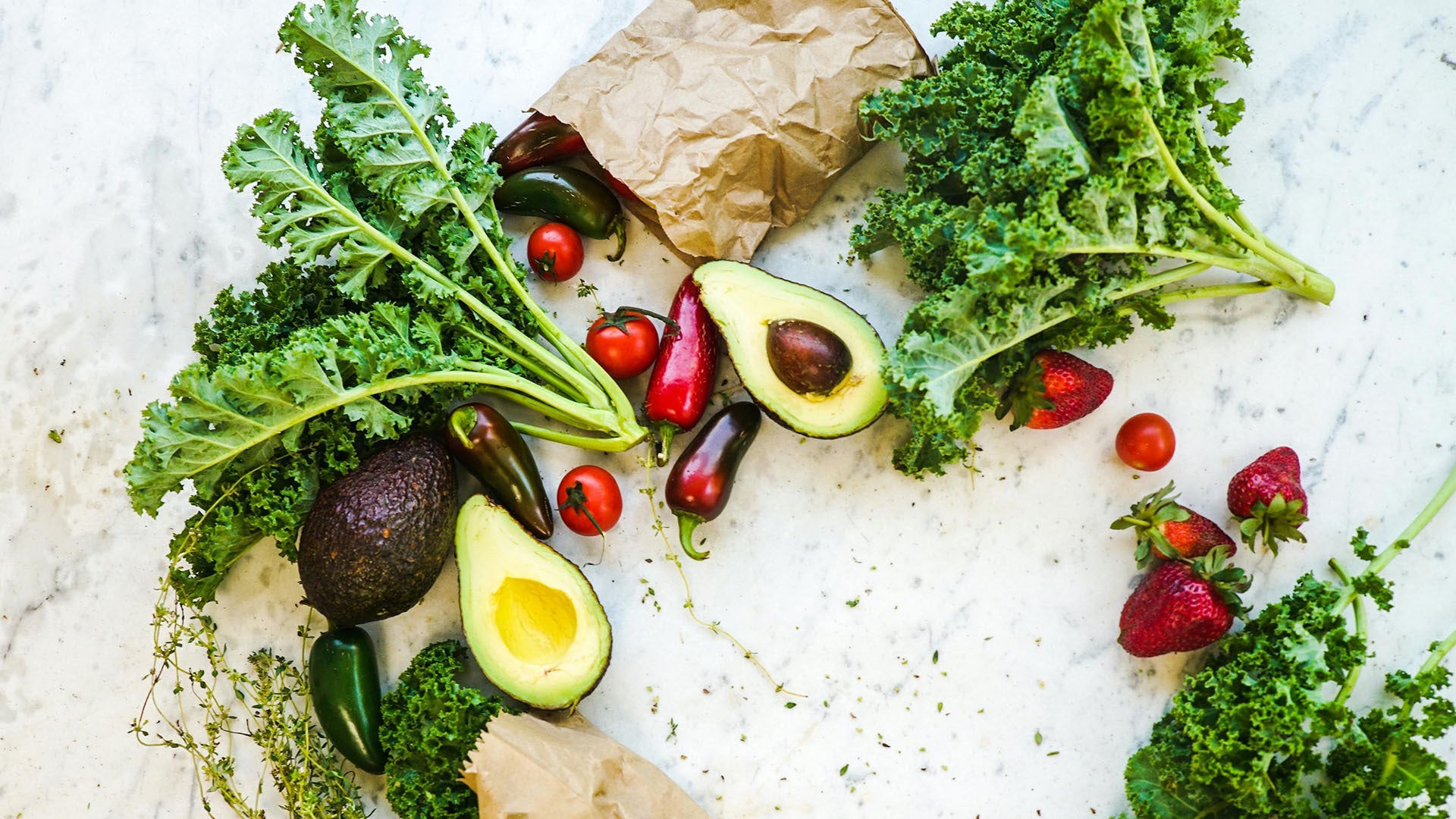
In summer, it is important prioritize fresh and seasonal foods. Not only to avoid heavy digestion from very salty or fatty meals, but also to ensure they are light and hydrating, providing us with vitamins, minerals, and antioxidants.
The same applies to drinks; you should avoid, as much as possible, those that dehydrate us, such as alcohol, sugary drinks, or energy drinks. And if you maintain a workout routine, it would be ideal to choose certain sports over others for reasons related to temperature and hydration.
Discover how this guide, created by the IVB nutrition team, can help you feel better during these hot weeks:
1. Fresh fruits and vegetables (seasonal)
They are rich in water, fiber, vitamins, and antioxidants. They help to beat the heat, improve digestion, and replenish electrolytes naturally.
Examples of fruits: watermelon, melon, cherries, apricots, peaches, nectarines, pineapple, mango, strawberries.
Examples of vegetables: cucumber, tomato, lettuce, spinach, zucchini, eggplant, peppers.
Eat them raw, in salads, gazpachos, or smoothies (even in homemade ice cream with frozen fruit).
2. Water and natural drinks
Stay hydrated without overtaxing your body:
- Water always as a base.
- Sugar-free cold infusions (mint, hibiscus, rooibos).
- Lemon water or fruit slices.
- Avoid sugary drinks or those with excessive caffeine, as they cause dehydration.
3. Fish and lean proteins
Nutritious and easy to digest, ideal for lighter meals:
-
Oily fish (sardines, mackerel, tuna): rich in omega-3.
-
Chicken, turkey.
-
Eggs.
-
Fresh legumes: salads with lentils, chickpeas, and beans.
Is there any difference between hydrating with water versus through food?
Water is irreplaceable as a direct source of rapid hydration, but food helps supplement hydration, especially if it is rich in water and electrolytes.
The body absorbs pure water more quickly; it is the most direct way to replenish fluids lost through sweat, urine, or heat. It provides no calories and requires no complex digestion.
On the other hand, food can also complement hydration. However, it is not enough on its own; although some foods have a high water content (such as watermelon or cucumber), they cannot completely replace water as a beverage, especially in situations involving high fluid loss.
That's why the best strategy in summer (or during physical activity) is combine water + water-rich foods for effective and complete hydration.

Which foods are not recommended at this time of year?
- Very salty foods (snacks, cold cuts, pre-cooked meals). Excess salt promotes water retention and increases thirst. It can cause bloating, high blood pressure, or electrolyte imbalance, leading to dehydration.
-
Alcohol. It is a diuretic and promotes the loss of fluids and electrolytes, which is the exact opposite of what you need in the heat. You may experience dehydration, headaches, low blood pressure, muscle weakness...
-
Fried foods and high-fat mealsThey are difficult to digest and generate more metabolic heat. In summer, this can lead to a feeling of heaviness, stomach discomfort (including nausea), fatigue, or excessive sweating.
-
Homemade sauces (mayonnaise, aioli, etc.) no refrigeration required. They are a common source of food poisoning if not properly preserved, especially at beaches, on outings, or during picnics. They can cause nausea, vomiting, diarrhea, and fever (including the risk of salmonella if they contain raw egg).
-
Food containers at the beach or in the sun without refrigeration tosuitable items that can spoil if they are not kept cold. In summer, bacterial proliferation accelerates, causing food poisoning, digestive discomfort, or stomach cramps from contaminated food.
What about the drinks?
High water consumption is important; you can choose options such as teas, lemonades, etc., to increase and facilitate water intake during this season.
-
Water
-
Cold infusions
-
Water with lemon or fruit
-
Natural fruit smoothies
-
Natural coconut water
-
Cold or lukewarm vegetable broths
Not recommended due to dehydration risk:
-
Alcohol, sugary drinks, energy drinks, excessive coffee, industrial milkshakes
What are the must-have accessories for summer?
-
AntiOX Global: refuerza energía, piel, visión y protección solar, especialmente si se está expuesto al sol o se hace ejercicio.
-
Vitamin C-500: powerful antioxidant, protects against oxidative stress (which increases with sun exposure, chlorine, and pollution).
-
Vegan Omega 3+: anti-inflammatory, improves skin, joints, and cardiovascular function.
-
Vitamin D3K2: ...if you are not regularly exposed to the sun or have previously low levels. If you are already taking it, there is no reason to stop during the summer; it is a vitamin that should be taken year-round.
-
Total Magnesium: helps prevent cramps, improves muscle recovery, and regulates blood pressure and sleep.
-
FemmeBalance if acne increases due to sweat.

Is it necessary to prioritize some sports over others in summer?
Ideally, certain sports should be prioritized over others for reasons of temperature and hydration:
- Swimming
- Water sports such as surfing, paddleboarding, and canoeing
- Hiking in shaded areas
- Pilates or yoga in cool places
- Cycling or walking in the early hours or at dusk
- Other sports in climate-controlled areas with good ventilation
Important to avoid outdoor sports during peak heat hours such as midday and on days with extreme temperatures. It is essential to stay well-hydrated before, during, and after physical exercise.
Additionally, here is an example recipe:
Healthy strawberry ice cream recipe:
Ingredients:
-300g frozen strawberries
-1 plain Greek yogurt (you can use regular yogurt, but Greek adds more creaminess)
-1–2 tablespoons of honey or 4-6 dates (adjust to taste)
-1 teaspoon lemon juice (optional, to enhance the strawberry flavor)
Optional: ½ teaspoon vanilla extract
Preparation:
1. Freeze the strawberries
-
Wash, hull, and freeze the strawberries at least 4 hours in advance (it's better if they are ripe, as they will provide more sweetness)
2. Grind
-
Place in a blender or food processor:
-
Frozen strawberries
-
Greek yogurt
-
Honey or dates
-
Lemon and vanilla if you'd like
-
Blend until a creamy texture is achieved.
3. Serve or store
-
You can serve it immediately as a softer, creamier soft-serve ice cream, similar to frozen yogurt.
-
If you prefer a firmer consistency, you can freeze it in a container for 30–60 minutes.
You can make it with other fruits like blueberries, banana, mango, raspberries, or by combining several.
Read more
-

Summer Nutrition: How to Take Care of Your Body Without Myths or Restrictive Diets
Every summer we hear the same thing: that we “need to get in shape for the beach,” that “I can’t wear a bikini with this body,” that “if I eat an ice cream, I’ll have to make up for it later,” or that “I’ll fix it after vacation”... As if our body needed to apologize for having enjoyed itself and having had a different routine. This article leaves behind aesthetic pressure and the most common myths at this time of year, to focus on what truly influences your relationship with food and your body. Why is summer a more sensitive time regarding eating behavior? Summer brings with it greater body exposure (swimsuits, short and thin clothing, more plans away from home, among others), and that exposure can reactivate insecurities about the body that were already there. All of this leads to using food as a way to modify our body, since control over food is the “simplest” way to modify those insecurities. Aesthetic pressure and the "bikini body" obsession: the myth that must be left behind Currently, the "bikini body" obsession is also camouflaged, wrapped in words like wellness or “the best version of yourself.” And although the packaging changes, the message remains the same: you have to “correct” your body before showing it off because it doesn’t fit the beauty standards imposed by society. And what does that idea lead to? To restriction, hunger, binge eating, anxiety, guilt, avoiding social plans, prohibition, and the possible development of an eating disorder. Because you don’t need to modify your body to deserve to live through the summer, or any time of the year. You don’t need to lose weight to be able to wear a bikini or swimsuit. What you really need is to give your body the energy it needs, eat sufficiently and flexibly, stay hydrated, rest, or move by listening to your body. But above all, stop waiting for it to meet certain conditions to start inhabiting it with respect and kindness. Routine changes, vacations, and their impact on eating habits Summer also brings changes in schedules, meals away from home, travel, or more social life. And that’s okay: your body is capable of adapting to these changes without it being a problem. That problem appears when those changes generate anxiety for you or become an excuse to start a diet (again). Eating in summer: myths that must be left behind Myth: "you have to eat less to be able to go to the beach" Eating less than your body needs will cause you to accumulate hunger throughout the day and increase anxiety, often leading to binge eating or compulsive eating. The more forbidden a food is, the more desire it generates, and the more likely it is that when the food is present, you will eat it impulsively and it will feel like a loss of control. Myth: detox or cleansing diets are necessary in summer Your liver and kidneys are in charge of cleansing your body every day. Detox diets don’t eliminate anything that the body doesn’t eliminate on its own. The only thing achieved is reinforcing the idea that you have to "clean" the body because we have eaten something that "dirties" it. But this is not the case. How to maintain flexible and sufficient nutrition in summer Food flexibility means being able to include any food without fear, without prohibitions, and without feeling that you have to "earn" permission to eat it. All of this refers to not skipping any meals because following your routine changes or an impromptu plan has come up. Remember that your body’s needs change every day, and knowing how to listen to and honor them is a huge act of self-care. It is completely natural for you to want something lighter one day and a larger amount another day. Mindful eating: listening to the body instead of restricting All of this goes hand in hand with what is worked on a lot in consultations: learning to eat connected to your own bodily signals (hunger, satiety, appetite) and not by external rules like diets, rigid schedules, or calories. Hunger, satiety, or wanting an ice cream on a Tuesday night are valid information about what your body needs at any given moment. Warning signs: when concern for the body stops being healthy Do you avoid plans because of how your clothes fit? Do you count calories at every meal? Do you punish yourself for having eaten "too much"? Does the mirror dictate your mood? If you identify with any of these questions, this no longer has to do with wanting to take care of yourself, but with something much deeper that deserves to be addressed. Do not normalize these types of behaviors just because "it’s normal in summer," because it shouldn’t be. The role of nutritional support in times of greater aesthetic demand Precisely because summer intensifies this pressure, it is a good time to have professional guidance if you notice that your relationship with food or your body is becoming complicated. Having tools and specialized support will allow you to enjoy it and live it more calmly. If, in addition to this guidance, you are looking for extra support to sustain yourself during this period of more changes and higher demands, a supplement like Magnesio Total de IVB can be a good ally: it contributes to your muscle and mental health, also helping you fall asleep. Frequently asked questions about eating in summer ¿Is it true that you lose your appetite in summer and have to force yourself to eat less? The heat can naturally reduce your appetite somewhat, but that is not the same as eating less as a rule. The important thing is to listen to what your body needs at every moment and honor it. ¿Should you avoid carbohydrates so you don’t "bloat" before the beach? Occasional bloating is related to the rhythm of meals, stress, or routine changes, rather than carbohydrates themselves. Eliminating them doesn’t solve anything and can generate more anxiety for you. ¿Is it advisable to diet before summer to prepare for the beach? It is neither necessary nor recommended. Restrictive diets do not improve health. In fact, if they worked, you would only need to do one in your whole life. What diets do cause is a more conflicted relationship with food. ¿When is it advisable to see a nutrition professional? When eating becomes a constant source of worry, guilt, or control, or when body image dictates your day-to-day life, it is a good time to ask for help. A specialized professional can help you identify what is behind that discomfort and build a kinder relationship with food and your body. Finally, I would like to remind you that eating in summer is about giving yourself unconditional permission to experience it with flexibility, without any food being a cause for guilt. We deserve to enjoy the summer as much as we can. -

What is whey protein
Discover whey protein, also called milk serum protein, its properties, the benefits it offers, and if it's really for you. -
 Reading time: 420 seconds
Back to the Routine: How to Get Back to Healthy Habits After Summer
Returning from vacation doesn't mean you have to start from scratch. During the summer, it's common for schedules to change, for us to eat out more often, to train differently, or to go to bed later. And that's okay. In fact, learning to adapt our habits to different moments and circumstances is also part of a healthy lifestyle. The problem usually arises when September arrives accompanied by the feeling that we have to “compensate” for everything we did during the holidays: going back to the gym five days a week all at once, starting a much more restrictive diet, eliminating certain foods, or trying to get back to all our old schedules in 24 hours. And you probably don't need to do any of that. Getting back into a routine can simply be that: returning, little by little, to those habits that we know help us feel good. Nutrition, rest, movement, and organization are some of the pillars that can facilitate this transition. In this article, we review how to recover a healthy routine after the summer in a progressive, realistic, and, above all, sustainable way. Returning to your eating routine after the summer After several weeks with different schedules, travel, eating out, and more improvisation, one of the first habits that can help regain a certain sense of routine is to reorganize your nutrition. Not because you ate “badly” during the holidays and now you have to do it “well,” but because having a certain structure makes day-to-day life much easier. Going back to grocery shopping, getting back to certain schedules, preparing some meals in advance, or simply having basic foods at home again can make a huge difference. How to plan your week without relying on improvisation Planning doesn't mean knowing exactly what you're going to eat every day of the week. Flexible planning can be enough. For example, before going grocery shopping, it can be useful to think about: 2-3 protein sources: eggs, fish, chicken, tofu, legumes... Different vegetables and greens. Seasonal fruit. Carbohydrate sources like potatoes, sweet potatoes, rice, quinoa, bread, or whole grains. Healthy fats like extra virgin olive oil, nuts, seeds, or avocado. Some quick resources for days with less time: cooked legumes, canned fish, frozen vegetables, hard-boiled eggs, gazpacho, or vegetable creams. From there, those foods can be combined in different ways throughout the week without needing to follow a rigid menu. It can also be useful to cook extra portions. Preparing more vegetables, rice, potatoes, or a protein source allows you to have part of your next meal already sorted. Teresa's Tip: One of the things that helps me the most when I return from vacation is doing a fairly basic grocery shop and filling the fridge again with foods that make things easy for me. You don't need to do a three-hour meal prep: often, just having good staples available completely changes the week. Regaining regular meal times During the holidays, our schedules also tend to change. We have breakfast later, eat at different times, or have dinner whenever it comes up. When returning to a routine, regaining some regularity can help reorganize the day and our meals. That doesn't mean everyone should have breakfast at 8:00, lunch at 14:00, and dinner at 21:00. There is no universal perfect schedule. The important thing is to find a structure that fits each person's needs, work, training, rest, and hunger and satiety cues. Why is it so hard to get back into a routine? After several weeks with different schedules, more social life, travel, and changes in diet, rest, or exercise, it is normal to need a few days to re-adapt. This temporary difficulty in re-adjusting to usual schedules and obligations is popularly known as “post-vacation syndrome” and can be accompanied by tiredness, apathy, irritability, difficulty concentrating, or changes in sleep. The good news is that it usually improves as we regain some regularity. And it's not about going back to being who you were before the summer, but about recovering a routine that is compatible with your current life. The mistake of wanting to recover everything in a single day September is like starting a new year. Suddenly, the desire to get organized, eat better, train more, sleep eight hours, prepare all the tupperware for the week, and recover any habit that was relaxed during the holidays in just a few days appears. However, trying to modify too many things at once usually makes it harder to maintain the changes. A more realistic strategy consists of identifying which two or three habits have the greatest impact on your day-to-day life and starting with them. It could be going to bed a little earlier, preparing lunch to take to work, or getting back to three training sessions a week. When those habits are part of your routine again, you can start incorporating others. Teresa's Tip: I would try not to turn September into a punishment for having enjoyed August. You don't need to compensate for your vacation or prove anything during the first week. Just go back little by little to the things you know make you feel good. Recover your sleep schedules little by little Sleep is usually another one of the big changes in the summer. The days are longer, we make more plans at night, we have dinner later, and often the time we wake up also changes. Therefore, trying to suddenly go to bed two hours earlier and sleep perfectly from the first night may not be very realistic. How to move your bedtime earlier without suffering from insomnia The body regulates the sleep-wake cycle through the circadian rhythm, a biological system of approximately 24 hours influenced especially by exposure to light. To re-adjust your schedules, it can help to: Progressively move your bedtime and wake-up time earlier. Expose yourself to natural light during the first hours of the day. Reduce exposure to intense light and screens before sleeping. Maintain some regularity in your schedules. Avoid excessively heavy dinners right before going to bed. Limit caffeine during the last hours of the day. Create a nighttime routine that helps the body anticipate rest. You don't need to apply all these strategies from the first day. As with nutrition, gradually regaining regularity is usually more realistic. The role of magnesium in rest Magnesium is an essential mineral that participates in hundreds of reactions in the body and contributes, among other functions, to the normal functioning of the nervous system, normal muscle function, and the reduction of tiredness and fatigue. It is naturally present in foods such as nuts, seeds, legumes, whole grains, green leafy vegetables, or cocoa. Therefore, nutrition is once again the foundation. When dietary intake is not sufficient or there is a situation where supplementation may be indicated, a magnesium supplement can be considered on an individual basis. At IVB Wellness, we have Magnesium Total, which combines two forms of magnesium, bisglycinate and malate, with Albion® minerals. This combination allows for the incorporation of magnesium in forms with good bioavailability. In any case, a supplement does not replace good sleep habits. Before supplementing, it is important to assess individual needs and consult with a healthcare professional. Returning to a routine also needs margin Returning to work, recovering schedules, organizing meals, school, training, pending tasks... September can involve quite a few simultaneous changes. Although the management of stress and anxiety falls within the scope of other healthcare professionals, there are lifestyle-related factors that are also part of health care. Getting enough sleep, maintaining an adequate diet, engaging in physical activity, and having some structure during the day can contribute to general well-being. And perhaps one of the most important points is to accept that not all habits have to return at once. Progressively recovering routines can be much more sustainable than trying to reproduce a perfect week from the first Monday. Checklist: get back to your routine in 7 days (without stress) If you could only do one thing each day this week, let it be one of these: ☐ Go to bed and wake up 15-30 minutes earlier than the day before. ☐ Plan at least 3-4 meals for the week and do your grocery shopping with a list. ☐ Fill the fridge with easy foods: fruit, plain yogurt, washed vegetables, eggs, cooked legumes, and quality protein. ☐ Get back to your usual breakfast, lunch, and dinner times. ☐ Move every day, even if it's just for 20-30 minutes. ☐ Prioritize good hydration from first thing in the morning. ☐ If you decide to use supplementation, always do so as a support to good habits and following the advice of a healthcare professional. You don't need to do it perfectly, just lay the foundations again. Frequently asked questions about returning to a routine How long does it take to get back into a routine? There is no single deadline, as it depends on each person and the habits we want to recover. Some routines can fit back into place in a few days, while others need several weeks. The important thing is not to do it quickly, but to gradually regain some regularity, without trying to change everything at once. Do I have to do a detox diet after the summer? No. Our body already has very effective detoxification systems (liver, kidneys, lungs, intestine, and skin). After the holidays, you don't need juices or restrictive diets, but to return to your usual habits. What if I gained weight during the holidays? Don't make impulsive decisions. A few days with different schedules or more social meals don't change your health. Get back to your routine for a few weeks before drawing conclusions. Can any food supplement help me? In some cases, supplementation can be considered when there is a specific need, especially if dietary intake is insufficient or a healthcare professional considers that it can provide value. In any case, it should always be understood as a complement to a healthy diet and habits. What really makes the difference After the summer, it is very tempting to want to start "from scratch," but the reality is that your health doesn't depend on one perfect week, but on what you do consistently over months and years. You don't need to compensate for August. You don't need to train twice as hard. You don't need to eat less. You just need to gradually recover those habits that you already know make you feel good. Returning to a routine can be an opportunity to take care of yourself again from a place of balance, without guilt and without extremes. Important information: Supplementation should never replace a healthy diet or good lifestyle habits. Before taking any food supplement, consult with a healthcare professional who can assess your situation individually, especially if you are pregnant, breastfeeding, taking medication, or suffer from any pathology. -

Essential nutrients during weight loss diets: what they are and how to avoid deficiencies
Weight loss isn't just about eating less; it's about achieving high-quality weight loss. When you reduce calories, your intake of vitamins and minerals drops, leading to fatigue, weakness, or muscle loss. Discover the essential nutrients your body craves during a restrictive diet and how to avoid deficiencies without stalling your progress. -

Female hormones and nutrition: How to take care of them through a fiber-rich diet
Discover how fiber and a plant-based diet can support your hormonal balance. Fiber It plays a crucial role in female hormonal regulation, due to its influence on the metabolism of estrogens and other key hormones. -

Intermittent Fasting: What It Is and Its Benefits
What is intermittent fasting? What are its benefits? Is it recommended for everyone? We'll answer all these questions below. -

How to take care of yourself in summer: 5 keys to maintaining metabolic balance
With the arrival of summer, it's normal to be more lenient. We find it harder to maintain our exercise routine or watch our diet. And if we've stuck to it strictly all year, it's common to have intrusive thoughts, like feeling like we've thrown away all the effort of so many months. This doesn't have to be the case; in fact, it's even counterproductive, since the key to a healthy life also involves enjoying vacations without restrictions, guilt, or extreme demands. Remember that "every little bit counts." Any minute of exercise, serving of vegetables, fruit, or portion of protein adds up. That's why we're sharing a short list of very easy-to-incorporate tips to maintain our body composition in summer (and above all, stop blaming ourselves): Train less but don't stop moving Saying goodbye to the gym for a few weeks doesn't have to mean giving up on movement altogether. There are exercises or activities that also count as exercise, such as: Swimming in the pool or at the beach, as it activates our body without harming our joints. A practice that also has multiple cardiovascular benefits, as well as a relaxing effect. Walking is one of the best exercises for optimizing insulin sensitivity, especially after eating. Climbing stairs or incorporating any outdoor routine, such as exercises with resistance bands. In summary, keep staying active. The important thing is to maintain the same habits, -even with less effort- to avoid losing muscle mass. Try to incorporate protein or fiber into your meals Eating out frequently leads to a more frequent or higher intake of salt, carbohydrates, or saturated fats than usual. It's okay! The important thing is to try to incorporate at least one source of protein or fiber each day. Ideally, consume it at breakfast, as it's the meal most often eaten at home. Egg whites, whipped cottage cheese, tofu, plant-based drinks, or soy-based dairy are some of the best options. Another alternative worth incorporating is fiber: foods like lentils have the advantage of providing both of those sources. This will help us improve glucose, cholesterol, or triglyceride levels, and gut health. If you need "extra" help, our Metabolic-Max is designed to support liver health and maintain normal blood cholesterol or glucose levels. [products_1] Take care of your rest The heat, late dinners, and changes in routine disrupt sleep. And not sleeping enough affects hormones, appetite, and energy. Therefore, it's recommended to maintain a cool temperature for sleeping: between 18 and 20 Cº. Try to reduce alcohol The best alcohol is always the alcohol not consumed. According to Dr. Medical-Scientist Isabel Viña, there will never be a healthy or justifiable amount of alcohol. However, it's most common for alcohol intake to increase in the summer, especially in Spain. Therefore, if we are going to drink more, the ideal is to alternate drinks with water to avoid dehydration and hangovers. Remember that alcohol can disrupt sleep and our metabolism. [instagram_1] Avoid fluid retention As we discussed in previous articles, it's normal to feel more bloated or heavy in the summer. The heat dilates blood vessels, and excessive sodium intake increases extracellular fluid retention. Therefore: Include foods rich in potassium in your diet, such as avocado, banana, sweet potato, spinach, or tomato. Natural infusions and supplements like nettle, dandelion, horse chestnut, or diosmin. Stay well hydrated and move regularly to improve circulation. -

Diet and Insomnia: How High Glycemic Load Foods Affect Your Sleep
A diet high in glycemic load increases the risk of insomnia, according to a study of more than 50,000 menopausal women. Refined sugars disrupt neurotransmitters and sleep hormones, while a diet rich in fiber and protein promotes rest.


